Article
Whats Alios? New way of managing your company!
Alios is a company management system that will organize your projects, manage your team, handle the finance. All together.

Alios is a modern team and work management platform built for companies that want to organize projects, assign responsibilities clearly, and keep operations connected in a single workspace. On the English site, Alios introduces a practical approach to project execution: instead of managing work as flat task lists, it lets teams break projects into a hierarchical task allocation tree, where every part of the job has an owner, status, files, and history. This makes it easier to plan, delegate, and deliver complex work without losing visibility.
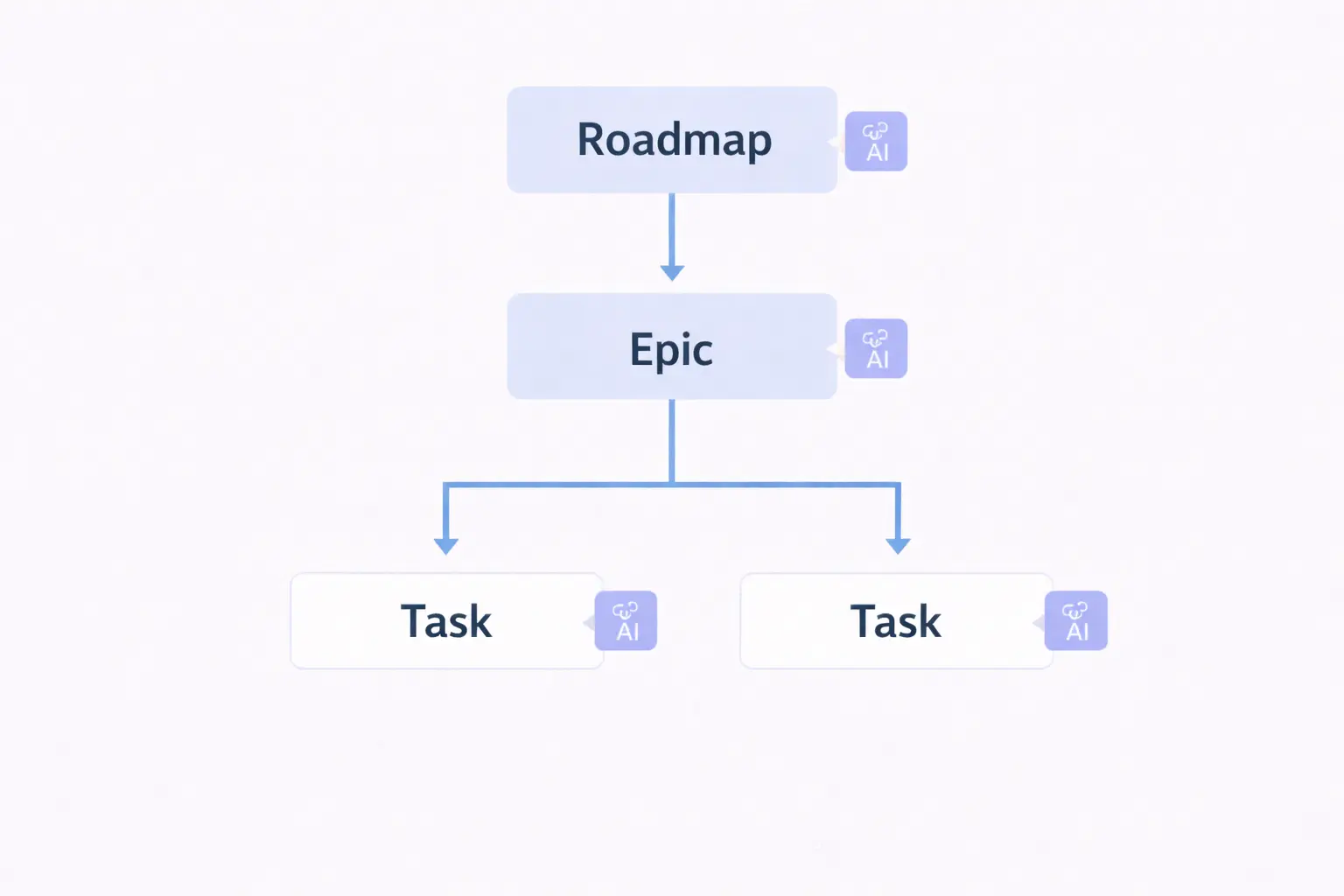
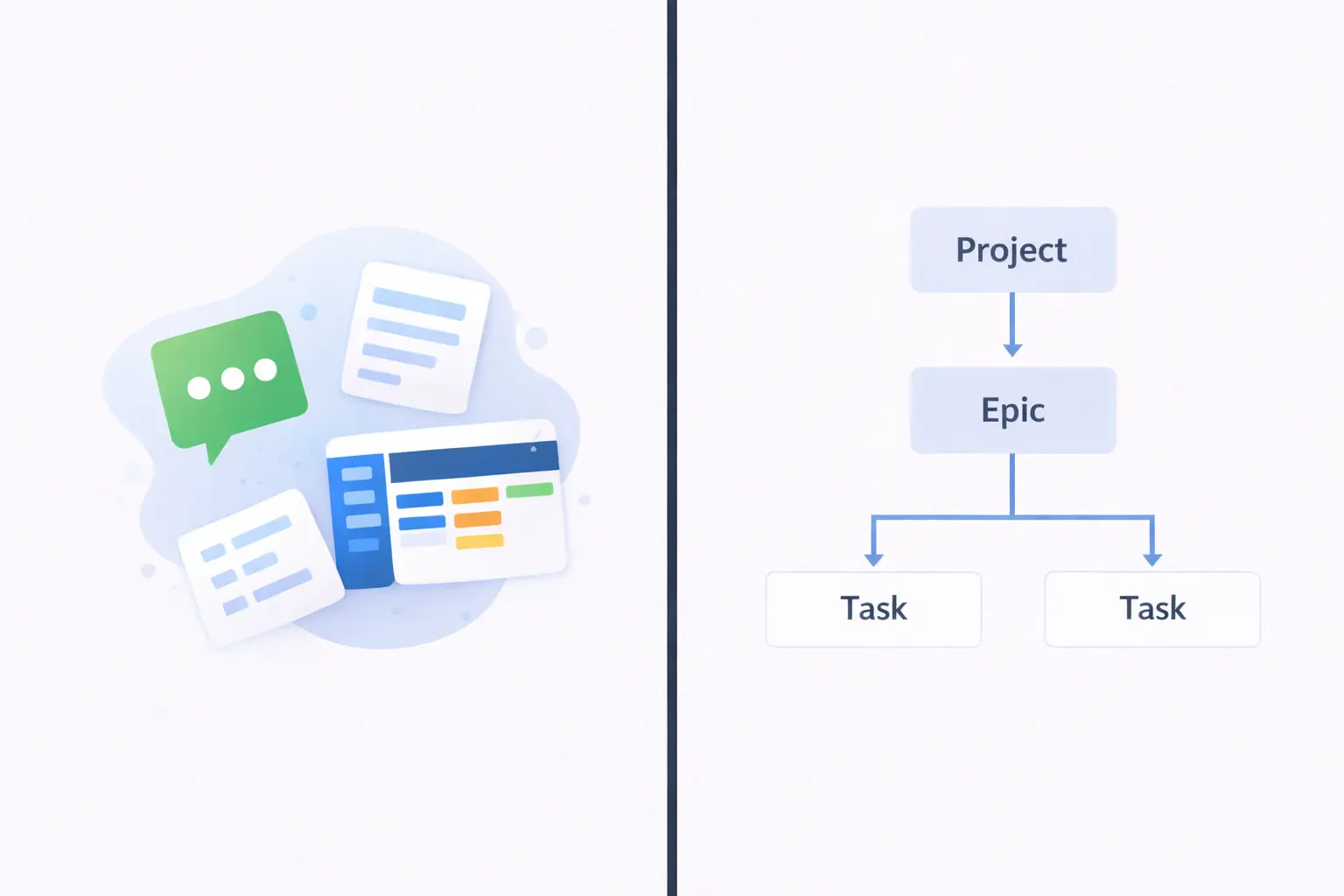
At the core of Alios is a simple but powerful idea: every project starts as a main node, and that node can be divided into smaller nodes. Each node can be assigned to a person, department, or external partner, and owners can continue splitting their part into sub-work while preserving the full structure. This creates a clear chain of responsibility from the top-level project down to the smallest deliverable. On the website, Alios emphasizes that this structure helps teams reduce confusion, expose bottlenecks earlier, and keep everyone aligned on what needs to be done and by when.
This makes Alios especially useful for teams handling multi-stage jobs like website development, production workflows, agency operations, engineering delivery, or any process where one project depends on many people and steps. The website even gives a practical example: a website project can be divided into Design, Content, Development, Testing, and Release, with each part managed separately but still connected to the main project. That kind of visual hierarchy is a big upgrade over scattered chats, disconnected to-do apps, and endless spreadsheet tracking.
Another strong part of the Alios platform is role-based task assignment and visibility. Managers can assign nodes to the right people and monitor ownership from one screen, while team members can see not only their own task but also the parent context around it. This means people don’t just see “do this task,” they understand where their work fits in the bigger plan. That context matters a lot in real teams because it improves coordination and reduces back-and-forth communication. The site also highlights that managers can quickly spot delays and reassign work when needed without breaking the flow.
Alios also handles one of the biggest pain points in project work: file chaos. Instead of keeping documents across email threads, messaging apps, and personal drives, Alios allows each node to have its own folders and files. This keeps deliverables, notes, and assets attached directly to the relevant work item. The site explains that version history, sharing history, and work context stay together, which lowers the risk of lost files and makes it obvious which document belongs to which step of the project. For teams that deal with frequent revisions and approvals, this is a major productivity boost.
A standout feature on the Alios website is the built-in finance and accounting visibility. Alios is not only a project tool; it also connects financial tracking to project progress. According to the site, the Finance module includes customer balance, billed amount, received payments, remaining receivables, and due dates in one place. There is also an accounting view that connects customers to projects, pricing, transaction history, and simple charts for business insights. This is a big deal for companies that want operational and financial visibility together, instead of switching between separate tools for tasks and bookkeeping.
The Alios platform also supports team management and permissions with a structured company view. On the site, Alios explains that businesses can model their organizational structure with roles and define detailed permissions for each role. For example, some users can create tasks, some can view finance data, and others may only have limited file access. This helps companies improve security and reduce accidental mistakes, especially as teams grow or involve freelancers and external collaborators. The ability to combine project management, org structure, and permissions in one system makes Alios feel more like a full company management system than a simple task app.
For external communication, Alios also includes secure share links. The English site describes controlled links with expiration rules and optional limits based on time, file scope, and sharing purpose. This is super useful when sharing project outputs with customers, vendors, or partners. Instead of sending files around with no control, teams can share access in a professional, auditable way. That adds a layer of trust and security for companies that handle sensitive documents or client deliverables.
One of the best things about the Alios site messaging is that it clearly frames a node as more than just a task. Alios describes a node as a piece of responsibility. That wording matters because it reflects how real teams operate: work is not just a checklist item, it’s ownership. Each node card includes details like who is responsible, who assigned it, the deadline, status, completion date, and activity history. This gives both managers and team members a transparent view of progress and accountability without needing constant meetings.
From an SEO and product positioning perspective, Alios fits multiple high-value categories at once: project management software, team collaboration platform, work management system, task tracking software, file management for teams, and business finance tracking software. But what makes Alios different is how these features are integrated through a hierarchical workflow model. Instead of treating projects, files, people, and finance as separate modules, Alios keeps them connected around the same project tree. That structure is a strong value proposition for businesses that need operational clarity and not just another task board.
The Alios English homepage also makes onboarding feel straightforward. It guides users through a simple flow: create a project, divide the work into nodes, and track delivery through status, files, and history. Then it closes with a clear call to action: start a company workspace, invite your team, and create your first project tree. This positioning makes Alios appealing to startups, agencies, and growing businesses that want to move fast but still stay organized. The site also includes links to features, use cases, pricing, and contact pages, which is great for users evaluating the platform in more detail.
Overall, Alios.work presents Alios as an all-in-one company management solution designed for teams that need more structure than a basic to-do app and more flexibility than rigid enterprise software. It combines hierarchical project planning, role-based assignments, file organization, finance visibility, team permissions, and secure sharing into one clean workflow. If your company wants to manage projects, people, documents, and financial progress together, Alios is built exactly for that use case. The website communicates this clearly and positions Alios as a practical, scalable system for modern team operations.