Article
AEC Project Tracking: From Free Templates to Alios Nodes
Free Architecture Template: Start with the basics, then scale. Alios turns static project lists into dynamic Node Trees, automating dependencies and corporate memory.

Free Project Tracking Template for Architecture Offices (and Alios Migration Guide)
Managing an architectural office is like balancing thousands of moving parts simultaneously. To avoid drowning in design processes, permit cycles, and client revisions, every office needs a "roadmap." While many boutique firms start with a free template, these manual systems eventually become "productivity killers."
This guide provides a professional template structure and explains how to scale your process by migrating to a dedicated operating system like Alios.
1. What Should an Architectural Project Tracking Template Include?
A good template is not just a to-do list; it reflects the project's Life Cycle. Your template should include these 5 core pillars:
A. Project Phases: Work is divided into chronological stages: Concept, Schematic Design, Construction Documents, Bidding, and Site Supervision.
B. Assignees: Every technical drawing (e.g., Stair Detail) must have a primary owner. If responsibility isn't clear, the work won't get done.
C. Deadlines: Start and end dates determine your "cash flow." Delays in approvals directly impact office profitability.
D. Status Labels: Use labels like "To-Do," "In Progress," "Pending Client Approval," and "Done" to get an instant X-ray of the project.
E. File References: Clear information on where to find the latest version of a file (server links or cloud paths).
2. The Limits of Free Templates: "Hidden Costs"
As your office grows, manual templates (Excel, Notion, Trello) create bottlenecks:
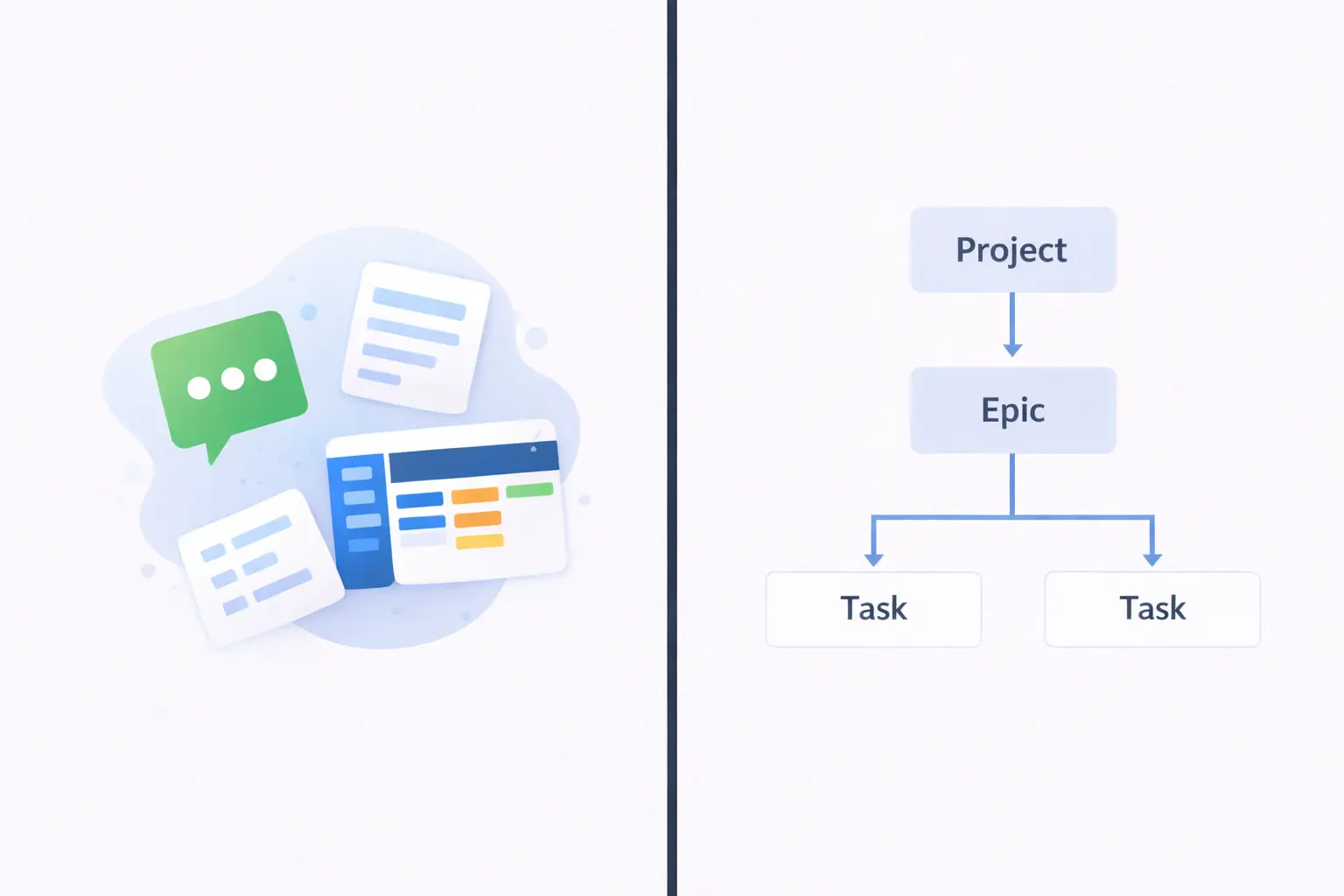
Data Fragmentation: Changing a date in Excel doesn't update the architect's calendar. Communication still happens via scattered emails.
Version Chaos: Someone might link an old version by mistake, leading to the site team executing the wrong drawing.
Lack of Dependencies: In architecture, work is a web. If the structural set is late, the mechanical set stalls. Manual templates cannot map these "linkages."
3. Migrating to Alios: From Static Lists to "Node Trees"
Moving to Alios isn't just changing a tool; it's installing a Project Operating System.
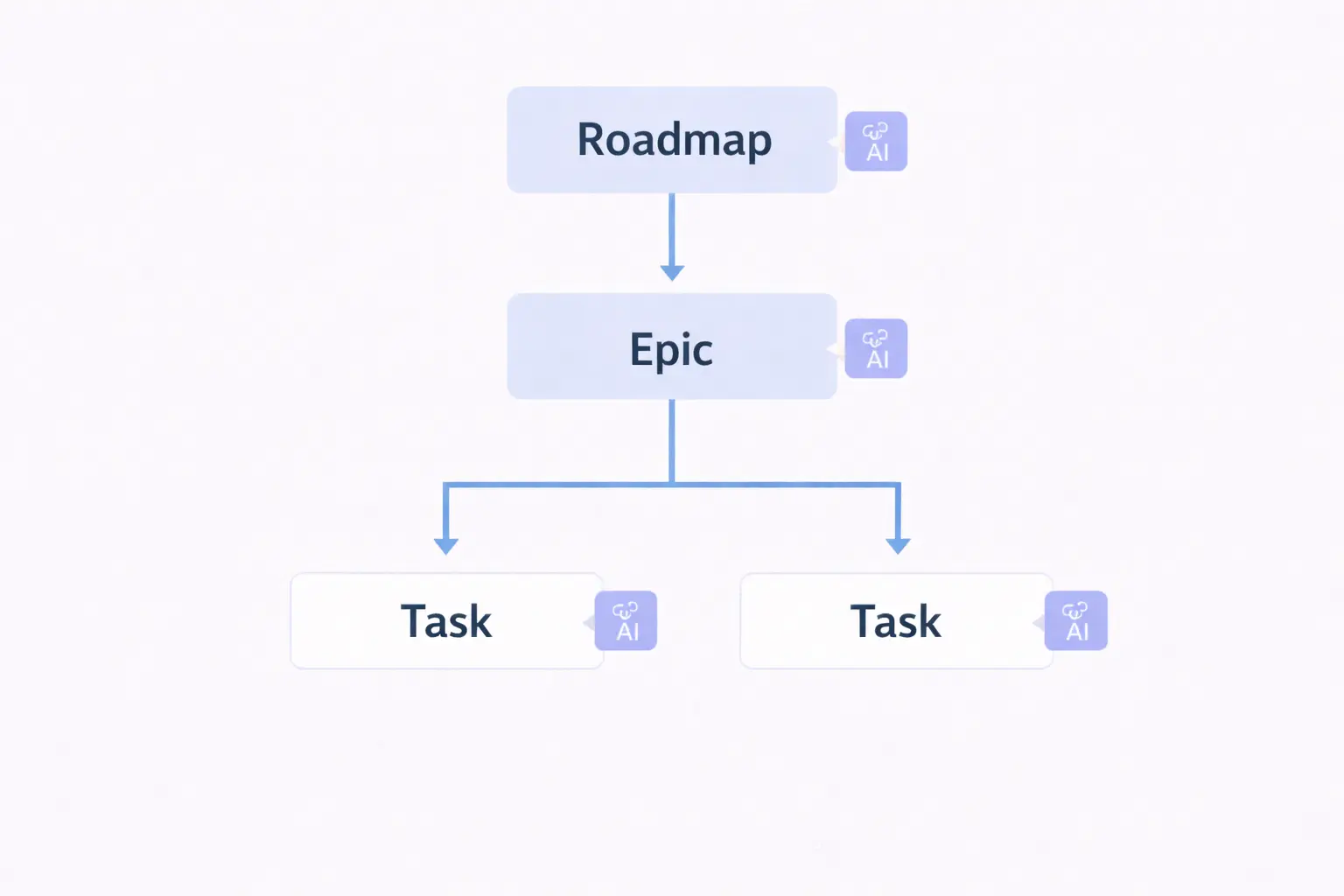
Step 1: Convert Rows into Nodes: In Alios, every item is a Node. Unlike a static row, a Node is a living cell containing photos, PDFs, revision notes, and approval history.
Step 2: Define Dependencies: Link your "Permit Approval" node to your "Construction Documents" node. If the permit is delayed, Alios automatically shifts the entire timeline—a feat templates cannot achieve.
Step 3: Embed Communication: Close the WhatsApp groups. Every Alios node has its own chat area. Two years later, you can find exactly why a window size changed by checking the comments in that specific node.
4. Key Advantages of Alios for Architecture Firms
Full Visibility: Owners can see the health of all projects on one dashboard, identifying "Scope Creep" and workload imbalances instantly.
Client Transparency: Sharing a "Guest View" with clients ends the "What's the status?" calls. Clients see a professional, step-by-step management system.
Corporate Memory: When an architect leaves, the project knowledge stays. Everything is archived in the nodes, allowing new hires to adapt in minutes.
Conclusion: Move Your Template to Alios Today
A free template is a good start for a crawling office, but Alios is for those who want to run a marathon. Don't imprison your data in an Excel cell; let it breathe with Alios's intelligent nodes.