Article
The 7 Causes of Operational Chaos in SMEs & How to Fix Them
Is your SME struggling with fragmented communication and missed deadlines? Discover the Alios solution to ownership, priority, and visibility.

The 7 Root Causes of Operational Chaos in SMEs and the Strategic Solution Plan
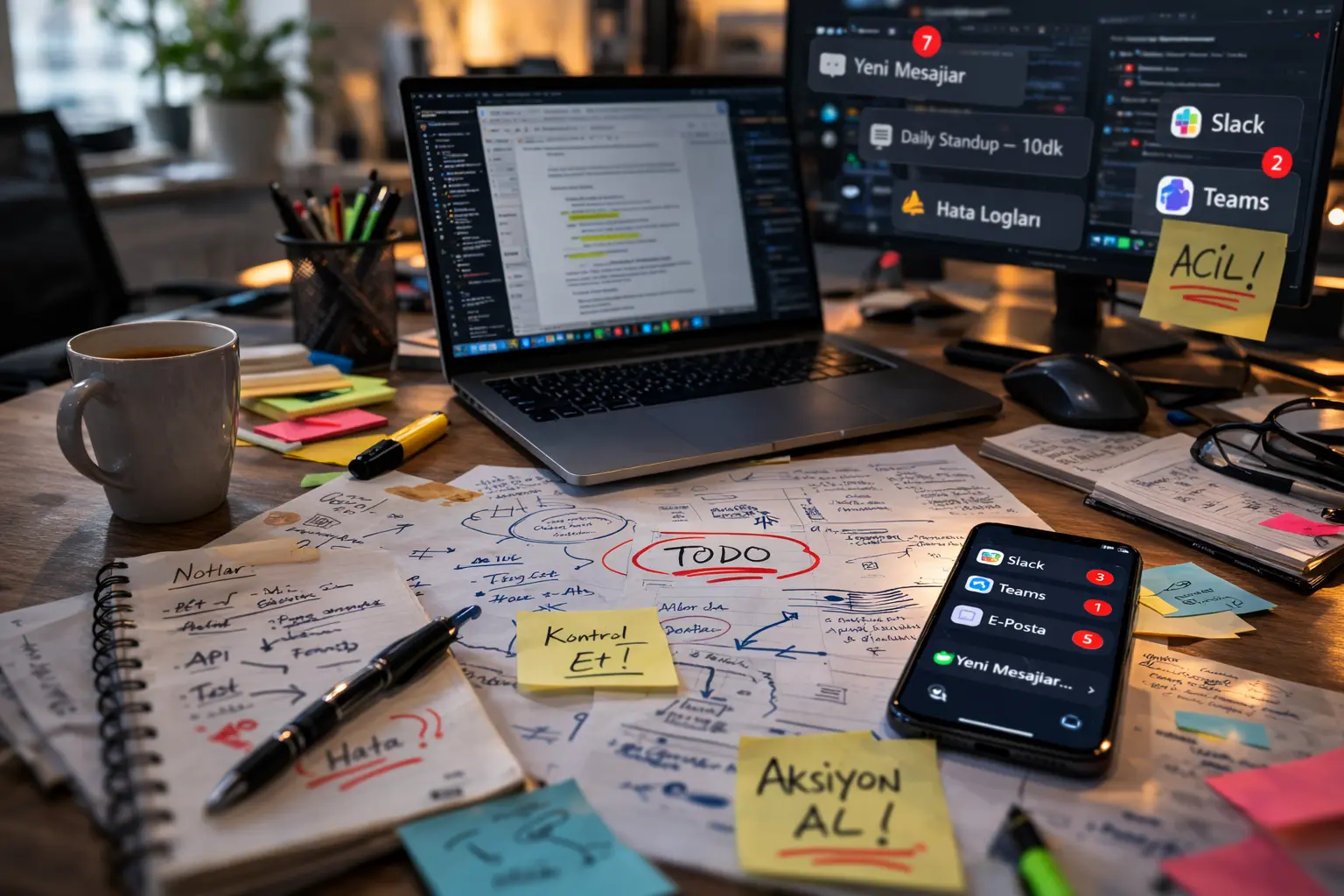
In the world of Small and Medium-sized Enterprises (SMEs), growth is often a double-edged sword. On one hand, increasing orders and expanding teams signify success. On the other hand, this expansion frequently triggers a descent into "Operational Chaos." What worked for a team of five people—verbal instructions, sticky notes, and quick WhatsApp messages—fails spectacularly when the team grows to twenty or fifty.
SME owners often find themselves trapped in a cycle of "fighting fires" rather than leading strategic growth. They feel the weight of every decision, the frustration of repeated mistakes, and the exhaustion of asking, "What is the status of this job?" ten times a day. This chaos is not a lack of effort; it is a lack of system.
By utilizing the Alios Digital Spine methodology, an SME can transform from a chaotic collection of individuals into a streamlined, high-velocity organization. Here is a deep dive into the seven reasons why SMEs fall into chaos and the comprehensive plan to fix them.
1. Fragmented Communication: The WhatsApp & Email Trap
The Cause: In a chaotic SME, business-critical information is scattered across personal WhatsApp chats, multiple email threads, and verbal conversations. When a project reaches a critical phase, finding the latest revision or a specific client request feels like searching for a needle in a haystack.
The Cost: Studies show that employees spend up to 20% of their day just searching for information. In a team of 20, that is the equivalent of 4 full-time employees doing nothing but looking for files and messages.
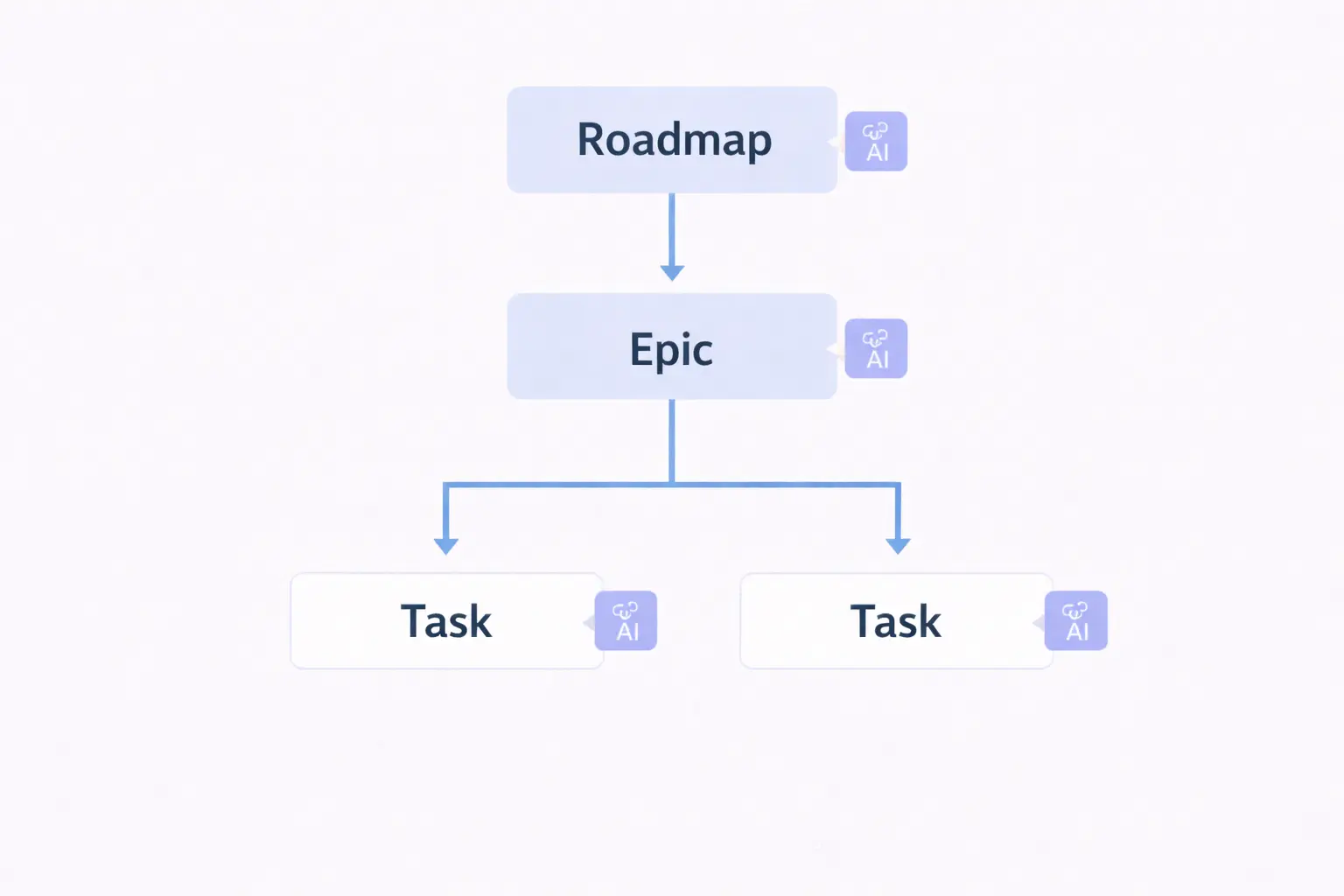
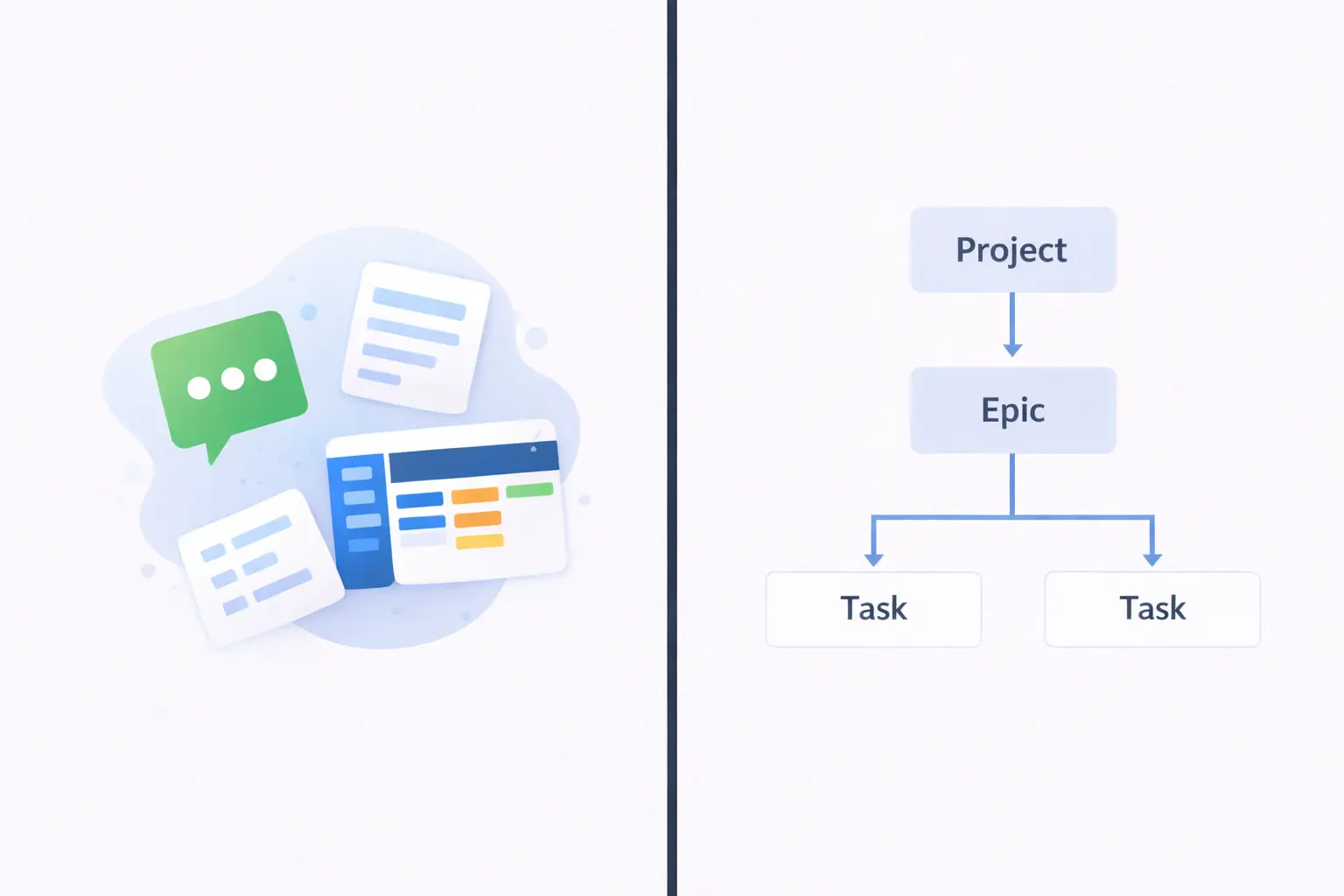
The Alios Solution: Alios enforces a rule: Communication lives where the work lives. * Every task is a Node.
Every file, every client feedback, and every internal decision is recorded as a comment or attachment inside that specific Node.
There is no more "I’ll check my WhatsApp." There is only "Check the Node." This creates a single source of truth and recovers hours of lost labor daily.
2. Absence of Priorities: The "Everything is Urgent" Paradox
The Cause: Without a centralized system, every new task feels like an emergency. Employees react to the loudest person in the room or the most recent email. Strategic, high-value tasks are sidelined by trivial but "noisy" distractions.
The Cost: This leads to "Priority Fatigue." When everything is a priority, nothing is. High-value projects miss their deadlines while minor tasks are completed instantly, leading to stagnant growth and stressed-out staff.
The Alios Solution: Alios introduces Visual Prioritization through its Dashboard.
Tasks are categorized by deadline and importance.
Employees don't start their day wondering what to do; they open their Alios screen and see their tasks ordered by priority.
Managers can shift resources in real-time, ensuring that the "engine room" of the business is always focused on what drives revenue.
3. Ambiguous Ownership: The Bystander Effect
The Cause: One of the most common phrases in a chaotic office is "We are looking into it." But "we" is not a person. When responsibility is shared, it is diluted. If three people are "responsible" for a client proposal, no one truly owns it.
The Cost: Tasks fall through the cracks. Deadlines are missed because everyone thought someone else was handling it. When mistakes happen, there is no accountability, only finger-pointing.
The Alios Solution: The Single Captain Principle.
In Alios, every Node must have exactly one Captain (Assignee).
While others can be added as "Collaborators" or "Observers," the Captain is the sole individual responsible for moving the status to completion.
This clarity eliminates the "I thought you were doing it" excuse forever.
4. Invisible Bottlenecks: The Mystery of the Stalled Job
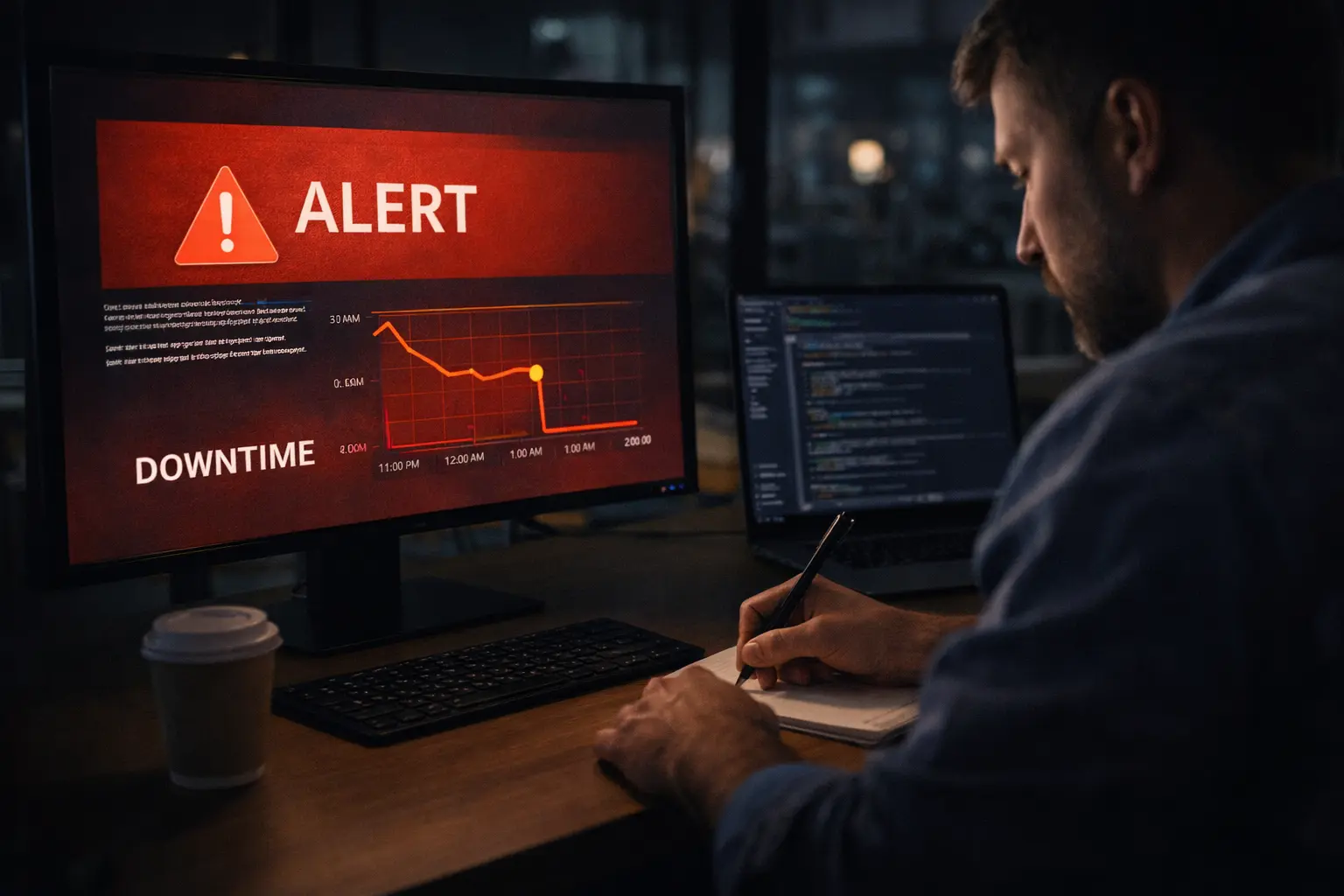
The Cause: Jobs often stop moving not because people aren't working, but because they are waiting. Waiting for a signature, waiting for a file from a client, or waiting for a colleague to finish their part. In a chaotic SME, these "waiting zones" are invisible to the manager.
The Cost: Work-in-progress (WIP) builds up, cash flow slows down, and lead times increase, frustrating customers.
The Alios Solution: The WAKLIYOG (Waiting) Status.
Alios uses a specific status called WAKLIYOG. When a task stops, the Captain must move it to this status and note why they are waiting.
The manager's Dashboard highlights all WAKLIYOG Nodes.
Instead of asking "How is it going?", the manager asks, "How can I help you get this out of the waiting zone?" This transforms the manager from a "boss" into an "unblocker."
5. Lack of Corporate Memory: Starting from Scratch Every Time
The Cause: SME knowledge usually resides in the heads of a few key employees. If a veteran staff member leaves or gets sick, the business grinds to a halt because no one knows where the files are or how a specific process works.
The Cost: High "onboarding" costs for new hires and extreme vulnerability to staff turnover. The business cannot scale because it is dependent on individual memories rather than a collective system.
The Alios Solution: The Digital Spine & Tree View.
Every project's history is archived in a structured Node Tree.
Every revision, decision, and document is preserved.
When a new person joins, they don't need a month of training. They simply read through the historical Nodes of their assigned projects and catch up in hours. The intelligence of the company stays with the company, not the individual.
6. Weak Quality Control: The "Done" vs. "Correct" Conflict
The Cause: In the rush of daily operations, employees often mark a job as "finished" just to get it off their plate. Without a standardized check-point, errors reach the client, leading to costly returns or lost contracts.
The Cost: The cost of fixing a mistake after it has left the building is often 10 times higher than fixing it during production.
The Alios Solution: The REVIEW Loop.
A task in Alios cannot go directly to "Done." It must first enter the REVIEW status.
This alerts a supervisor or a quality control officer to inspect the work.
Only after a formal "Sign-off" within the system does the Node close. This ensures that "speed" never comes at the expense of "quality."
7. Data-Less Decision Making: Guessing Instead of Managing
The Cause: Decisions are made based on "gut feelings" or the loudest complaint. Owners don't know their true capacity, their most profitable client, or their most efficient employee because the data is trapped in fragmented silos.
The Cost: Poor investment choices and missed opportunities. The SME remains small because it is managed by intuition rather than insight.
The Alios Solution: Real-Time Analytics & Dashboard.
Alios provides a "Command Center" view of the business.
Managers see the average time to completion, the volume of tasks per employee, and the frequency of delays.
This data allows for "Surgical Management." You don't guess where the problem is; you see it on the screen and fix it.
The 30-Day Transition Plan: From Chaos to Order
Transitioning to a system-driven operation doesn't have to be overwhelming. Following this Alios-based plan will bring immediate results:
Week 1: Mapping the Spine
Stop all work for two hours. Map out your core business processes (e.g., Lead -> Quote -> Production -> Delivery). Create Master Nodes in Alios for every active client.
Week 2: The Communication Pivot
Declare an end to business-critical WhatsApps. Every instruction must be a Node. Every update must be a comment. If it's not in Alios, it didn't happen.
Week 3: Establishing the Routine
Start a "Morning 10-Minute Sprint." Every manager looks at the Dashboard to identify Overdue and WAKLIYOG tasks. Clear the path for the team.
Week 4: The Review Culture
Enforce the Review status. Ensure no job is finalized without a digital "thumbs up" from a second pair of eyes. Watch your error rates plummet.
Conclusion: Visibility is Freedom
Operational chaos is a symptom of invisibility. You cannot manage what you cannot see. By implementing the Alios Digital Spine, you turn on the lights in your business.
Suddenly, you aren't chasing people; you are monitoring a system. You aren't guessing; you are deciding based on data. Most importantly, as an SME owner, you gain back your most valuable asset: Time. When the system handles the "How" of the daily grind, you can finally focus on the "Why" and "Where" of your company's future.