Article
Stop Scope Creep: Manage Project Drift with Alios Systems
Learn how to prevent unmanaged project growth. Use Alios nodes to track client requests, manage approvals, and protect your agency's profitability from scope creep..
Scope Creep in Agencies: A Simple System to Prevent Scope Drift with Alios
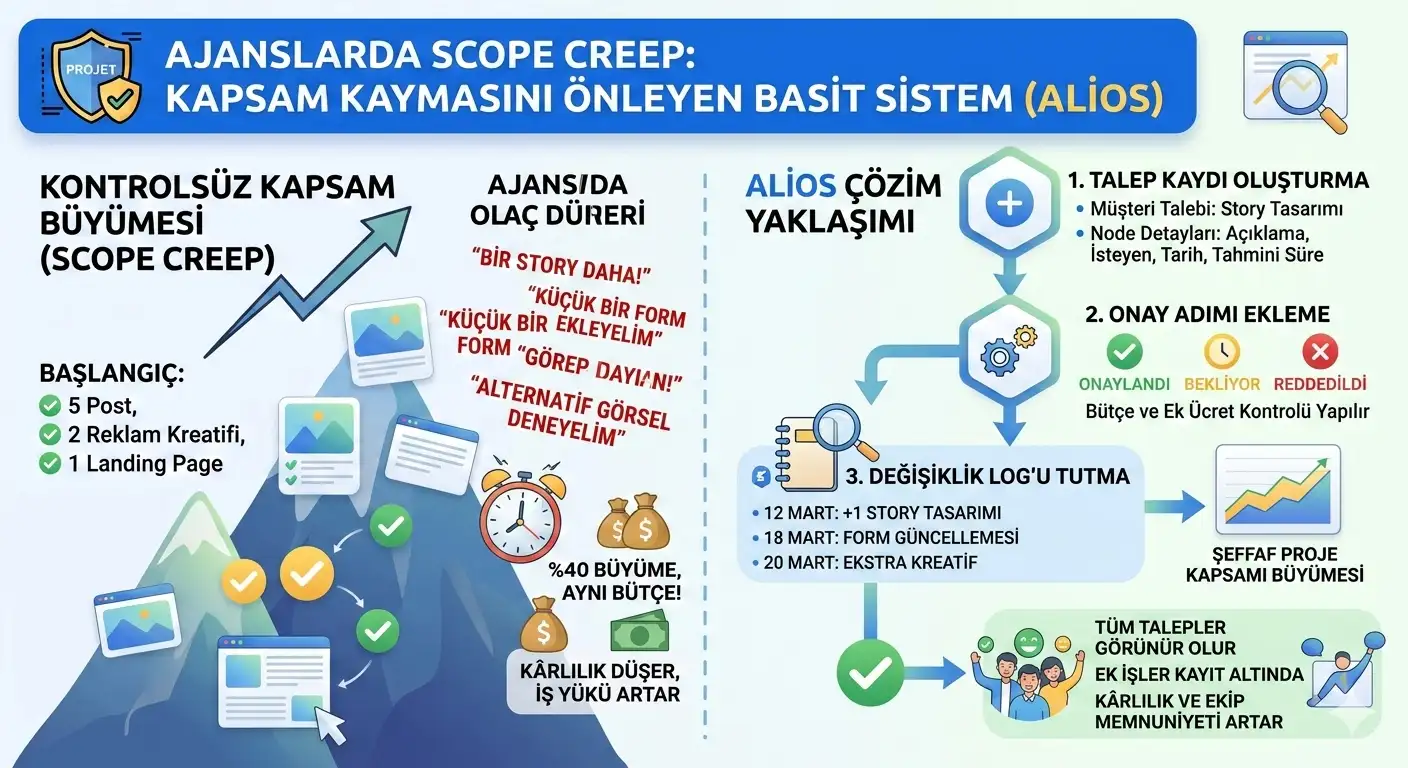
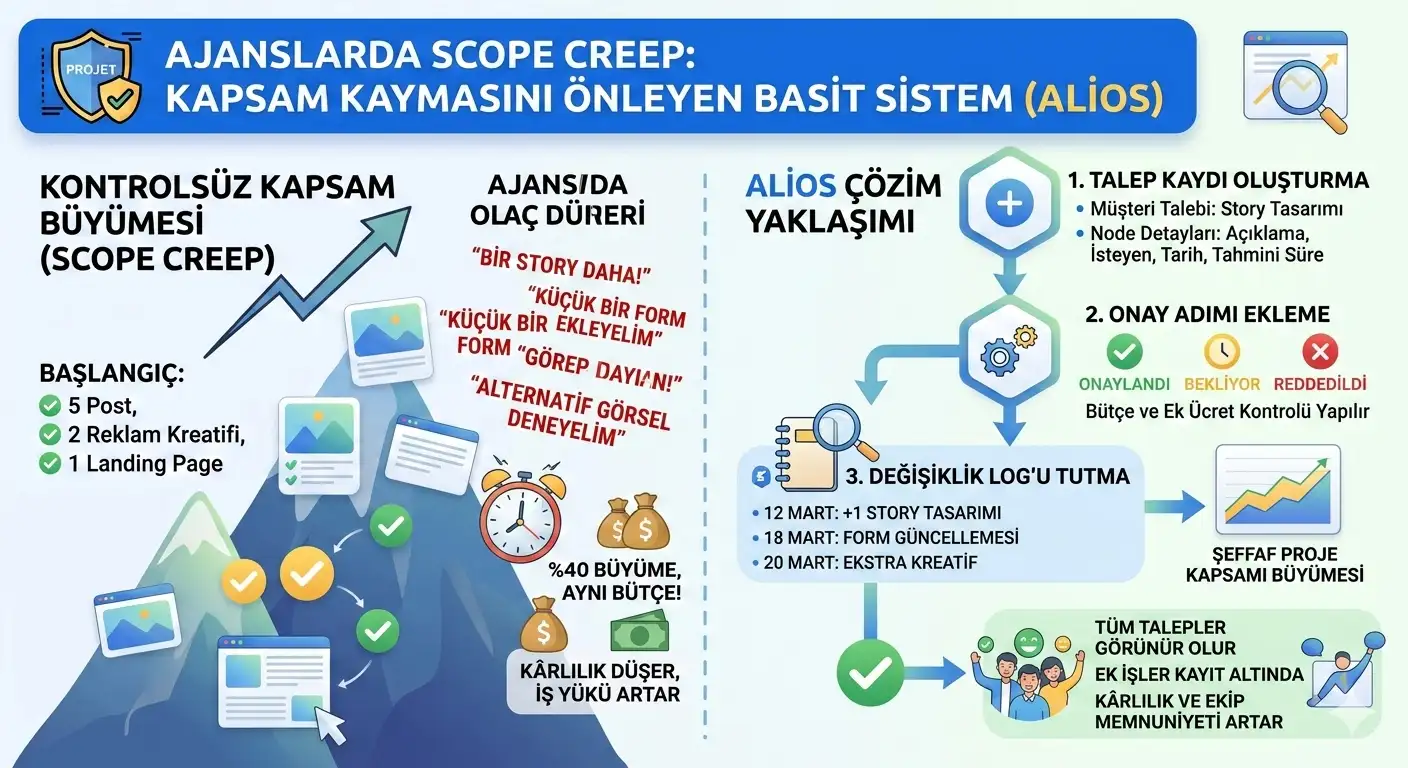
In the agency world, the most insidious enemy of project management is scope creep—the phenomenon where a project’s requirements tend to increase over its lifecycle, often without a corresponding increase in budget or schedule. At the start of a project, everything looks perfect on paper: the budget is set, deadlines are clear, and the list of deliverables (the scope) is agreed upon. For example, a campaign might include 5 social media posts, 2 ad creatives, and 1 landing page. However, once implementation begins, a process that starts with a "small favor" or a "tiny addition" can quickly turn into a massive workload that consumes the agency's resources.
1. What is Scope Creep and How Does It Affect Agencies?
Scope creep is the uncontrolled expansion of a project's boundaries beyond what was initially defined, without a formal approval or budget revision. For agencies, this doesn't just mean working more; it leads to a chain reaction of negative outcomes:
Erosion of Profit Margins: Every "extra" hour spent on unbilled tasks eats directly into the project's net profit.
Team Burnout: Creative teams lose motivation when the "finish line" keeps moving further away.
Resource Displacement: Working on unmanaged tasks for one client often causes delays for other paying clients, damaging the agency's overall reputation.
The Psychological Impact on the Team
When team members are motivated to finish a planned set of tasks, constant new requests create a sense of futility. The perception of a "Never-Ending Project" lowers creative energy and leads to distractions. This, in turn, results in lower work quality and eventual client dissatisfaction.
2. Why Does Scope Creep Occur?
Scope creep is rarely caused by a client’s ill intent; rather, it stems from a lack of systematic processes. In agencies, this usually happens due to:
Unrecorded Client Requests: Requests made during verbal meetings or quick WhatsApp messages that never turn into a formal document.
The "Small Task" Fallacy: Failing to calculate the total hours cost of "just one story" or "only a color change."
Vague Project Definitions: Not clearly stating what is not included in the scope at the beginning of the project.
Lack of Approval Mechanisms: Transferring every new request directly to the production team without a filtering process.
3. Strategies for Managing Scope Creep with Alios
Scope creep cannot be entirely eliminated because projects are living processes; however, it can be controlled with the right system. Alios is built on three main pillars to prevent this chaos:
Pillar 1: Turning Every Request into a "Node"
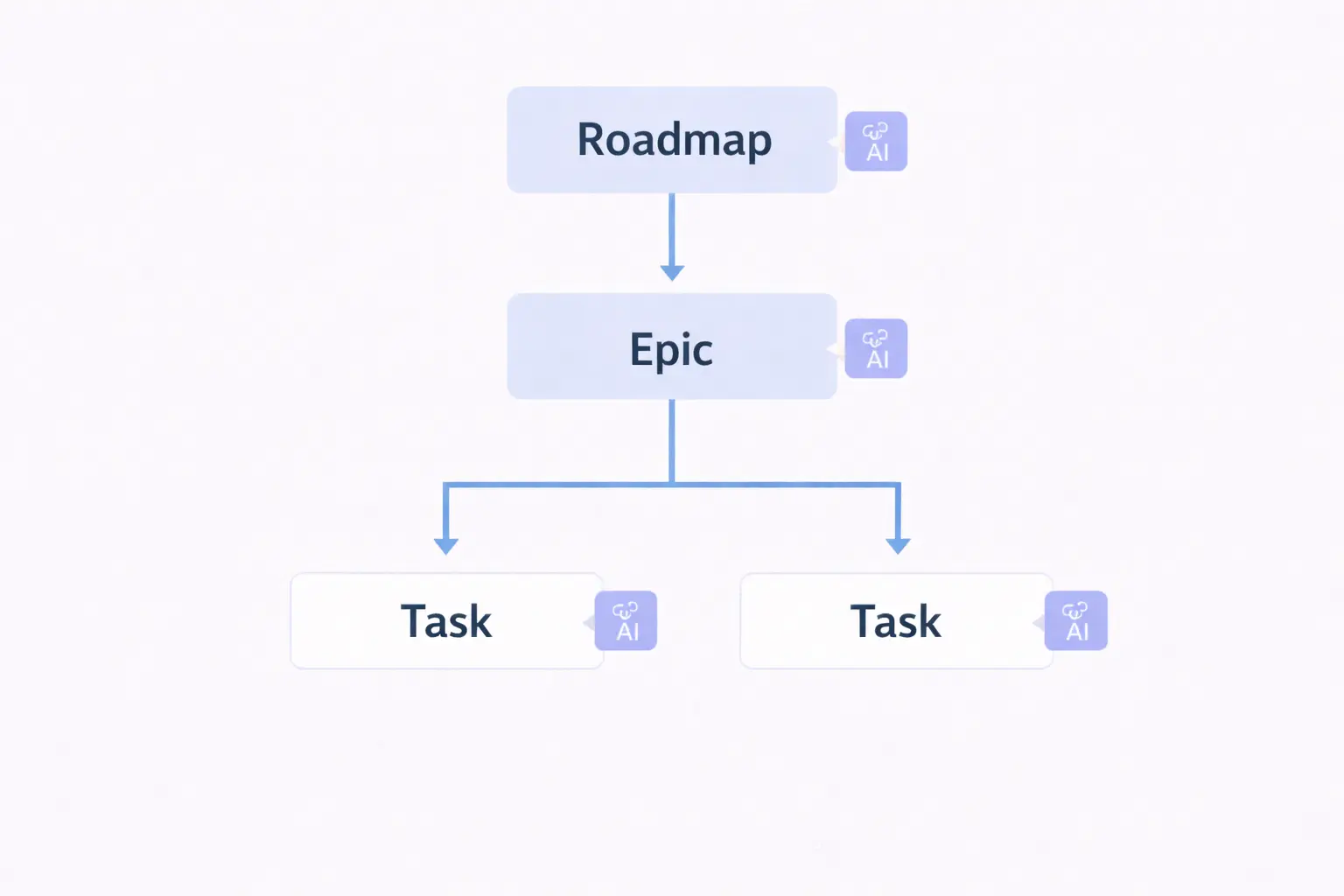
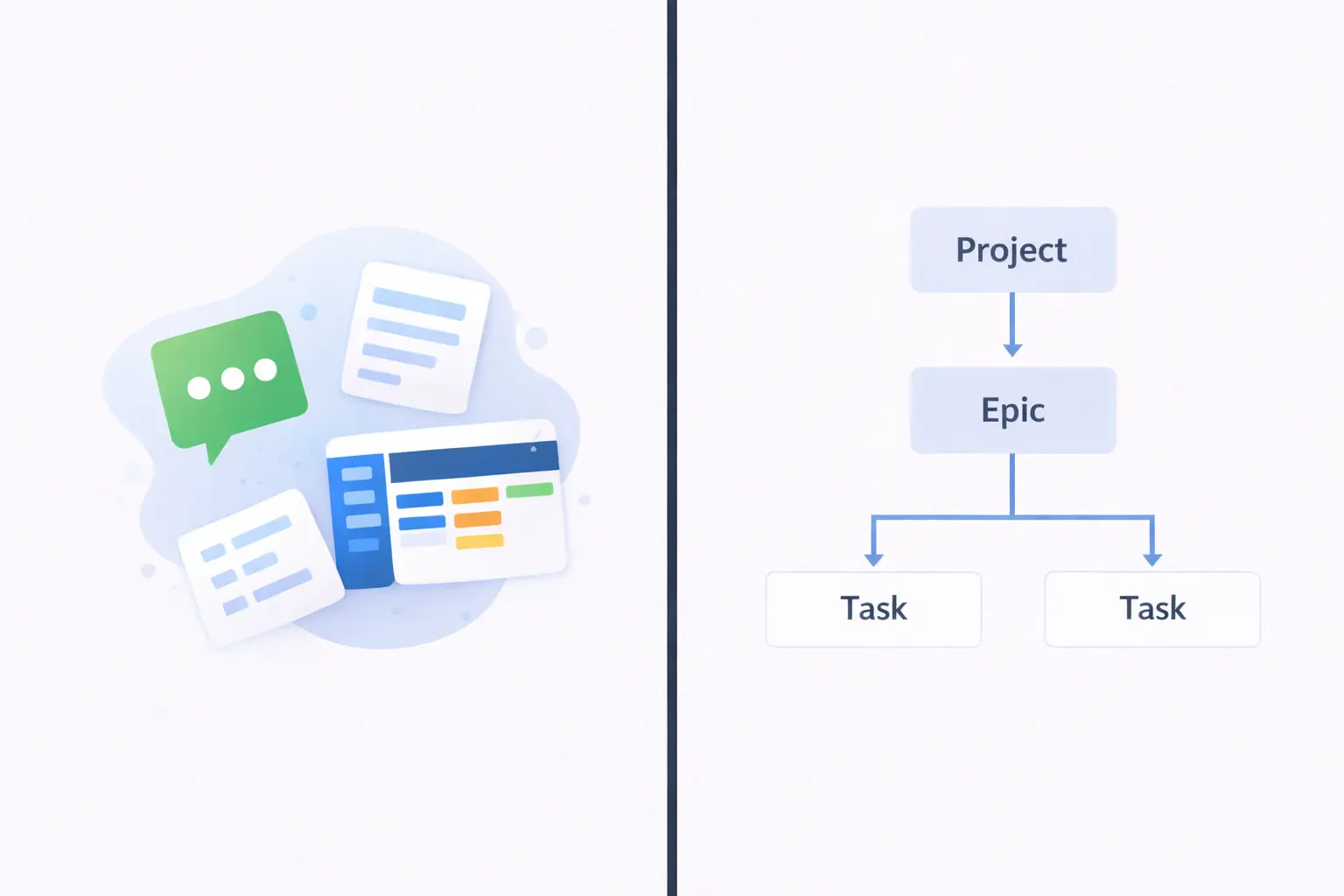
Every new request from the client must be created as an independent record (node) within the platform. This makes "invisible work" visible. When creating a node, the following details must be included:
A technical description and the purpose of the request.
The stakeholder who initiated the request and the date.
The estimated man-hour resource required to complete this task.
Pillar 2: Operating Dynamic Approval Workflows
When a new request enters the system, it should not fall directly into the "To-Do" list. It must first pass through an evaluation and approval stage. Through status management in Alios (Pending, Approved, Revision Needed), the project manager can analyze:
Is this request within the existing contract limits?
Should additional budget or extra time be requested?
How does the urgency of the request affect the current work schedule?
Pillar 3: Transparent Change Logs (Change Management)
All scope changes made from the beginning to the end of the project should be kept as a "Change Log." This transparency allows the agency to measure its own performance and provides the opportunity to speak based on data in meetings with the client.
4. Step-by-Step Scope Management Workflow
To manage scope creep effectively, you should standardize the following workflow on Alios:
Receiving the Request: When the client specifies a new need, it is communicated to the project manager, not directly to the production team.
Impact Analysis: The impact of the new request on the remaining project deadlines and budget is calculated.
Client Notification: Feedback is given to the client: "We can do this, but it will delay the delivery date by 2 days or incur an additional cost of X."
Official Approval: After client approval, the job is included in the production pipeline.
5. FAQ: Navigating the "Gray Areas" of Scope
Q: Does every small change require a new node? A: Yes. Even a 15-minute task, when multiplied by 10 requests, becomes a significant portion of a workday. If it’s not in Alios, you can't track it, and if you can't track it, you can't bill it or manage your team's capacity.
Q: How do I tell a "VIP" client no? A: You don't have to say "no." You say, "Yes, we can add this to the current node, but according to our Alios dashboard, this will push the final launch date back." This shifts the conversation from a personal refusal to a logical project constraint.
6. Conclusion: Sustainable Agency Profitability
In agencies, scope creep is a growing black hole if not managed. However, a systematic structure established with tools like Alios transforms "Can we add one more little thing?" requests from risk factors into manageable processes. Remember; it may not always be possible to say no, but knowing the cost of every "yes" saves the future of your agency.
Protect your margins, respect your team's time, and turn every "extra" into a tracked, approved, and managed node in Alios.