Article
Stop Missing Deadlines: Agency Delivery Discipline with Alios
End the chaos. Learn how Alios uses Node structures, status flows, and clear accountability to ensure every agency project is delivered on time, every time.
Ending Missed Deadlines in Agencies: Simple & Effective Discipline with Alios
In the agency world, a "deadline" represents not just the finish line of a project, but also the agency's professionalism, reliability, and operational capacity. However, for many agencies, missing deadlines has unfortunately become a chronic problem. This is rarely due to a lack of effort or talent; it is almost entirely a failure of the system. Agency teams must survive in a high-tempo, multi-variable environment. On one side are dozens of clients from different sectors; on the other are simultaneous campaign processes, creative productions, and endless revision loops.
Within the daily operational flow, teams must manage these critical processes flawlessly:
Multi-Client Management: Each brand’s unique voice, expectations, and definition of urgency.
Parallel Ad Campaigns: Structures running simultaneously on Google Ads, Meta, and TikTok, consuming budget every second.
Creative Production Pipeline: Intensive processes like design, video editing, and copywriting.
Strategic Content Planning: Ensuring social media calendars and blog posts go live on time.
Reporting & Analysis: Accuracy and timing of performance data presented to the client.
In this complexity, if tasks are not visible within a transparent system, chaotic questions begin to echo: "When was the last day for this revision?", "Whose desk is the design on right now?", "Are we still waiting for client approval?" These uncertainties don't just disturb internal peace; they directly threaten profitability and client loyalty. The solution lies in the net deadline discipline and visible status flow formula offered by Alios.
1. Four Root Causes of Missed Deadlines: A Deep Analysis
When agency operations are placed under a microscope, delays are found to be systemic rather than accidental.
A. Vague Tasking
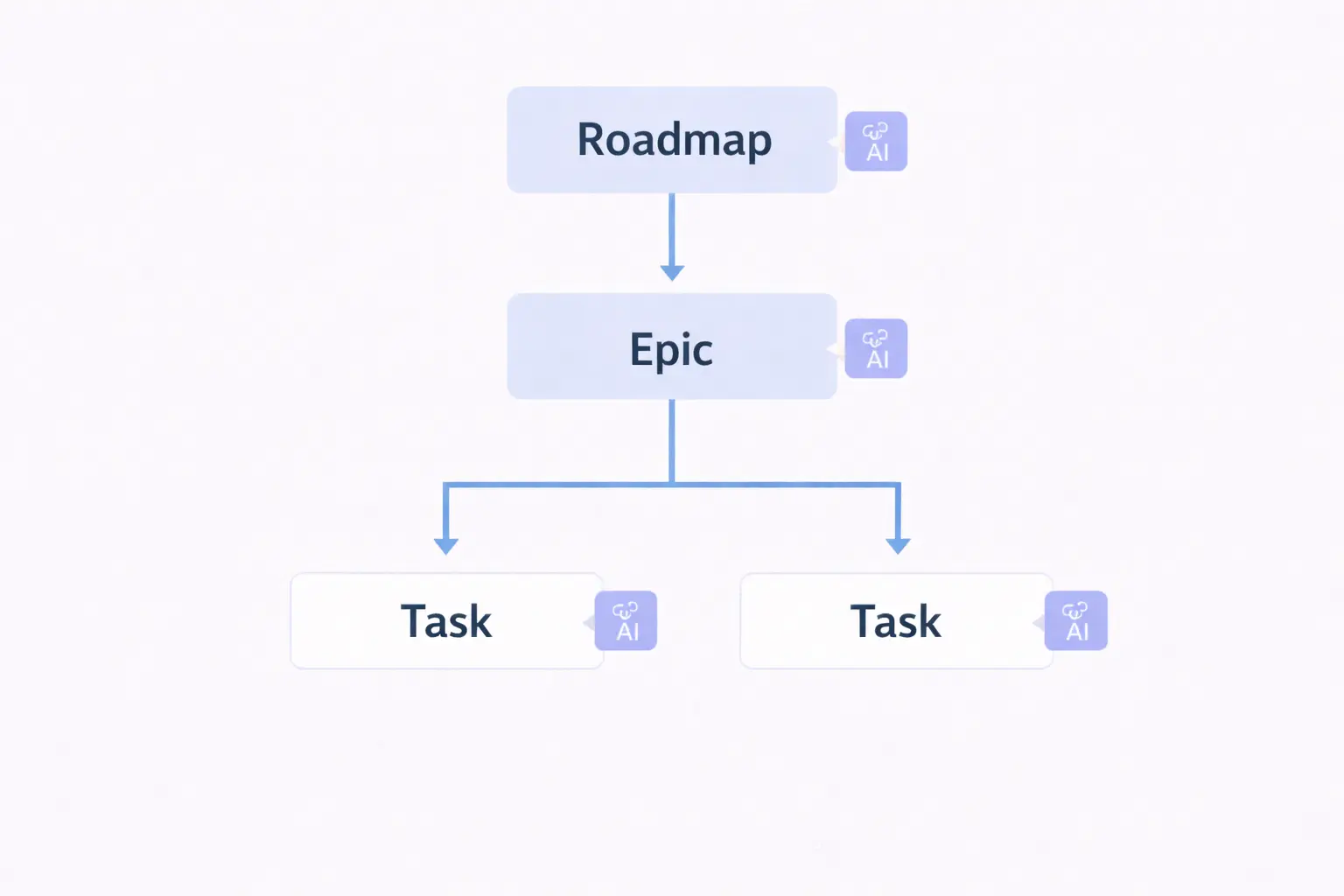
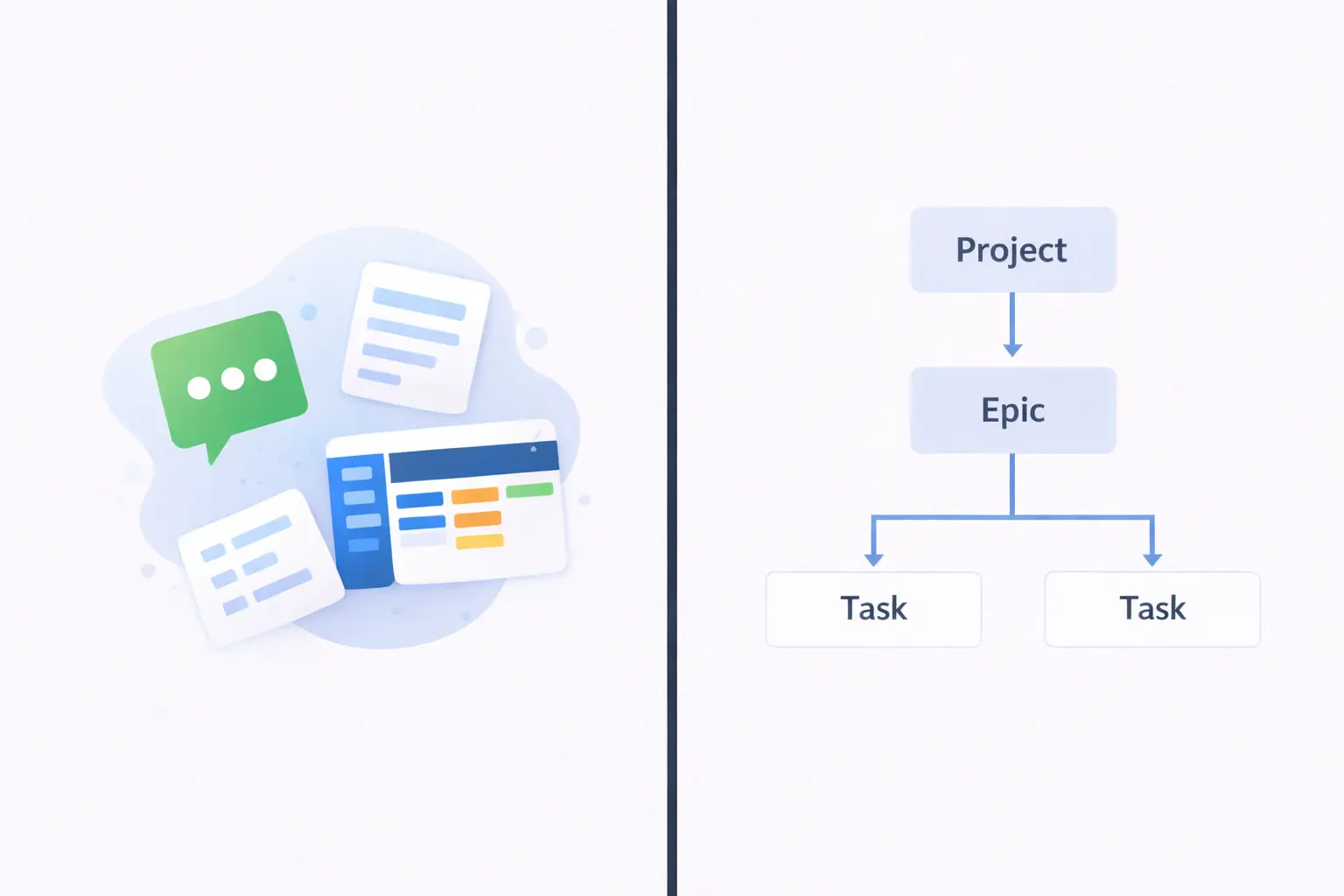
Ambiguity is the enemy of efficiency. Open-ended phrases like "Prepare the banner" are puzzles, not action plans. In the Alios approach, every task must be defined at an atomic level as a "Node." For example: "1080x1080 Discount Banner Design for March Google Ads Campaign" clarifies the scope and zeroes out the error margin.
B. The "Unwritten Deadline" Syndrome
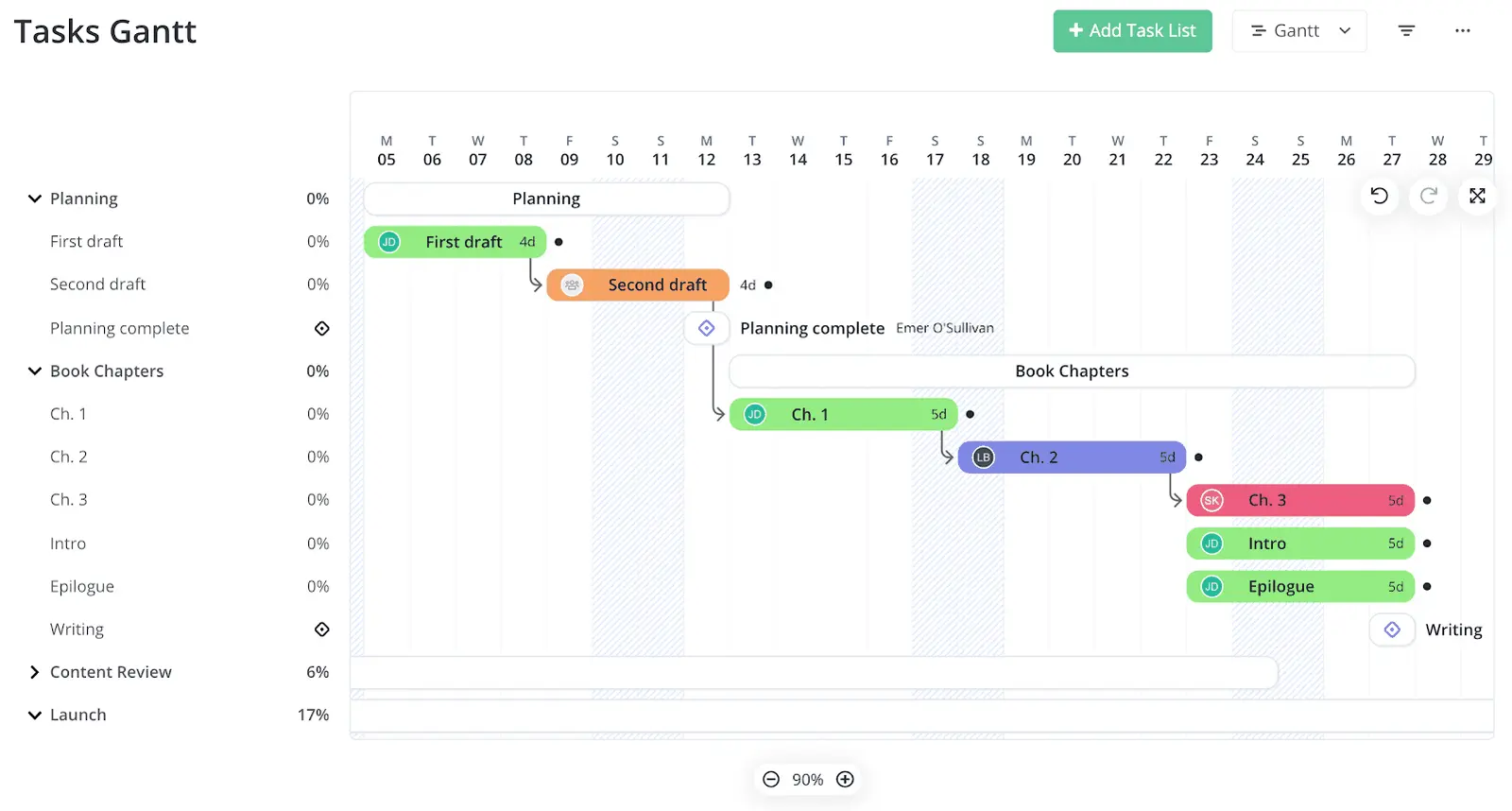
In many teams, deadlines are set in verbal meetings or chaotic WhatsApp groups. In a loud digital environment, any date not entered into a system is destined to be forgotten. Alios positions the deadline not as an "add-on" but as the "spine" of the project. A deadline not visible in the system simply does not exist for the agency.
C. The Invisibility Cloak
An agency project consists of dozens of interconnected micro-tasks. If these links are not transparent, team members remain unaware of general progress. This leads to passive waiting—the "I finished my part, I'm waiting for others" syndrome—and coordination breakdowns.
D. Late Detection of Bottlenecks
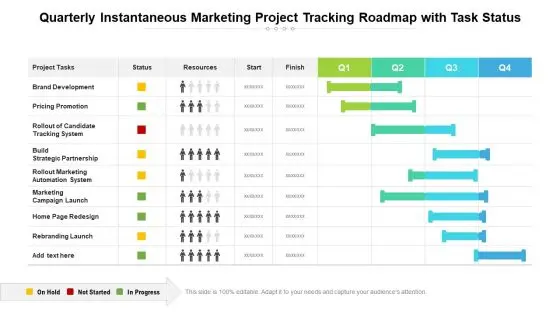
60% of delays stem from waiting times, not task difficulty. Design might be done, but it's stuck in "Client Approval." If this isn't made visible in Alios as a specific status, management assumes it's still in "Production," and by the time the bottleneck is noticed, it's too late to save the deadline.
2. Establishing Deadline Discipline with Alios: Operational Roadmap
Establishing delivery discipline in Alios requires no complex training. It is built on three uncompromising steps that change the agency's operational DNA.
Step 1: Turn Every Request into a Node: The golden rule is: "If it's not in the system, it doesn't exist." Every request discussed in chat must be converted into an Alios Node immediately to create corporate memory.
Step 2: Assign a Clear Owner and Deadline: In Alios architecture, no task can be "ownerless." Every Node must have a Responsible Person and a Due Date. This ends the "Who was supposed to do this?" confusion at the root.
Step 3: Live Monitoring with Status Flow: A deadline alone is just a stressor; combined with a status flow, it becomes a management tool. Define flows like: To-Do -> In Progress -> Awaiting Revision/Approval -> Completed.
3. The "Perfect Week" Plan and Operational Rhythm
A system is only as good as the rhythm that feeds it. Successful agencies using Alios typically follow this weekly cycle:
Monday (Planning): Weekend requests are entered. Capacity is checked on the Alios dashboard, and priorities are set.
Tue - Wed (Production Peak): Teams enter "Deep Work" mode on tasks in the "In Progress" status.
Thursday (Bottleneck Control): Check the system for Friday deadlines stuck in "Client Approval." Nudge clients gently to clear the pipes.
Friday (Harvest & Review): Final checks on "Completed" tasks and deliveries are made. Next week's critical items are noted.
4. The 15-Minute "Alios Deadline Check-up" Routine
The most effective way to end delays is to intervene before they grow. A 15-minute weekly meeting, projecting the Alios screen, works miracles. Focus on three questions:
Red Alerts: Any tasks due today that aren't finished?
Potential Risks: What is the prep status for Monday’s deadlines?
Waiting Room: Is the list of tasks awaiting client approval up to date?
5. Conclusion: What Changes in Your Agency?
Establishing delivery discipline is a positive transformation for the entire ecosystem.
Less Crisis, More Creativity: A team fighting fires cannot be creative. Predictable deadlines allow focus on quality over stress.
High Motivation: Alios ensures everyone knows their responsibility and time limits, fostering internal fairness and trust.
Client Loyalty: To a client, work being "on time" is as valuable as it being "good." A reliable agency is priceless.
Profitability: Missed deadlines and redundant overtime melt profits. Disciplined operations produce more with fewer resources.