Article
SME New Hire Onboarding: The First 7-Day Alios Task List
Turn new hires into productive team members in one week! Use Alios Node templates and the Digital Spine to create a professional, scalable onboarding process today.
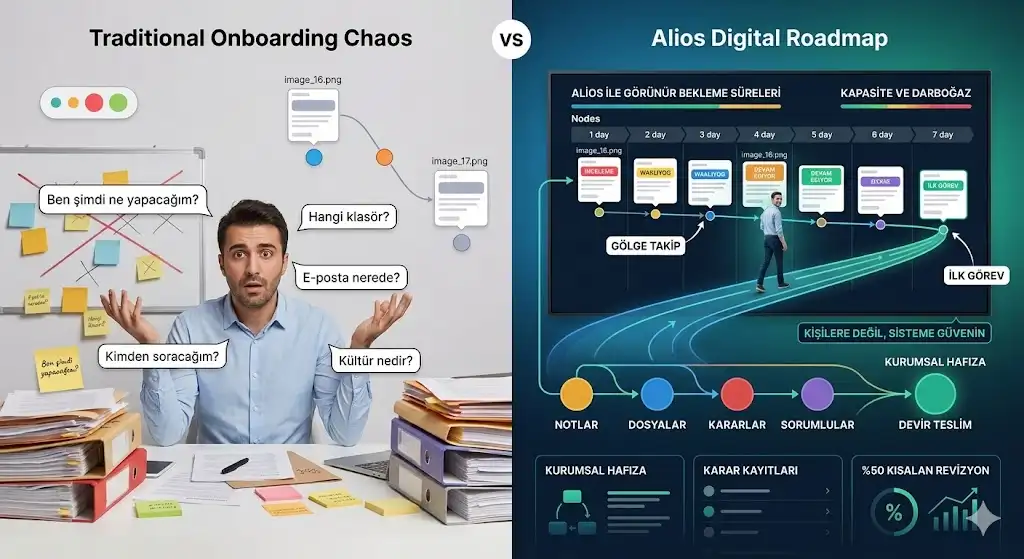
New Employee Onboarding in SMEs: The First 7-Day Task Checklist for Rapid Productivity
For a Small and Medium-sized Enterprise (SME), the hiring of a new team member is both a significant milestone of growth and a moment of high operational risk. In the fast-paced environment of an SME, where every hand on deck counts, the "Time-to-Productivity"—the duration it takes for a new hire to start contributing more value than they consume in training—is a critical metric.
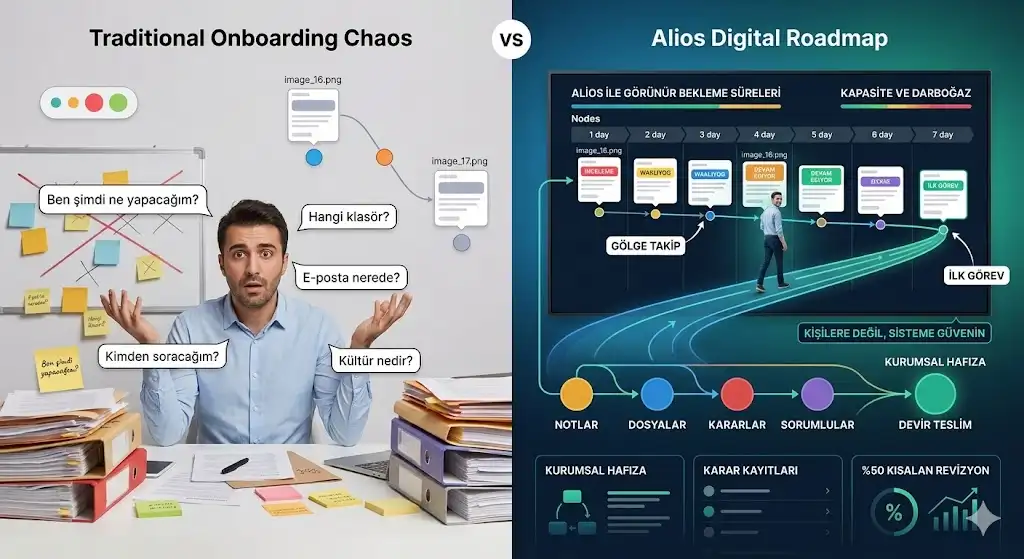
If a new employee spends their first week wondering, "What should I be doing now?" or "Where do I find this file?" or "Who do I ask for permission?", their motivation begins to wane, and the company loses money. Unlike large corporations with massive HR departments, SMEs often lack a dedicated onboarding team. The responsibility falls on the owner or a department manager who is already stretched thin.
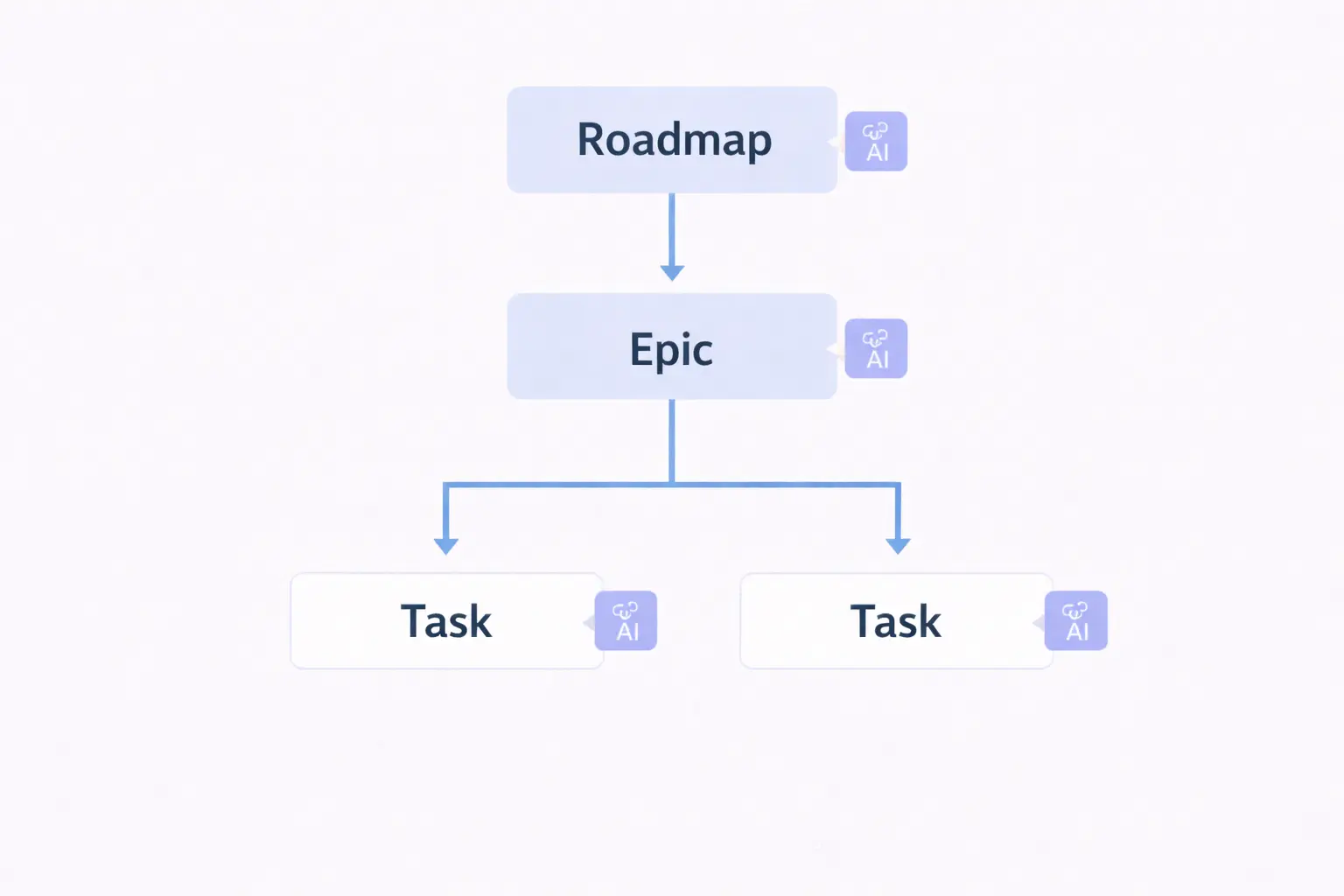
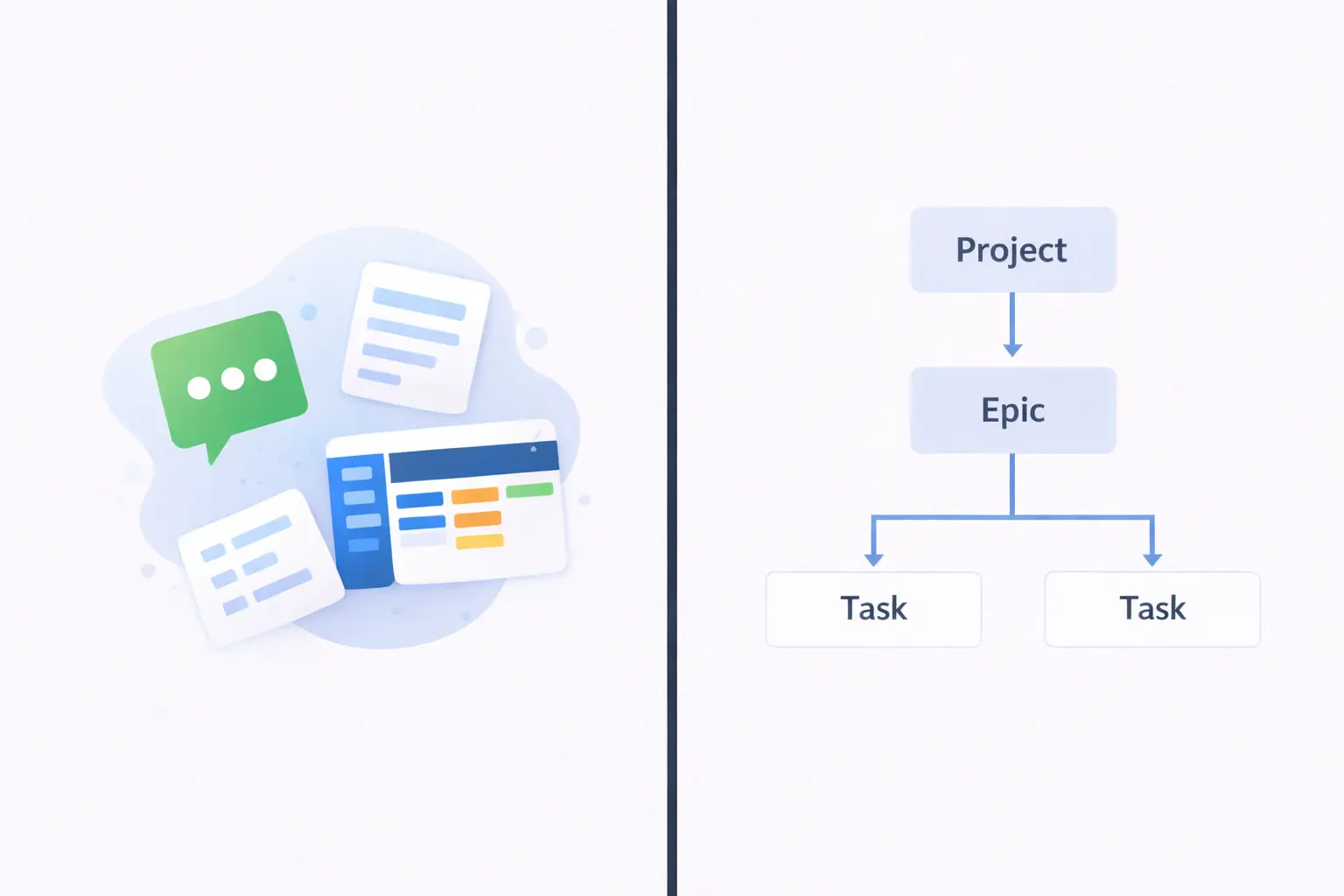
Alios transforms this often-chaotic "handover" into a systematic, scalable, and professional Digital Onboarding Template. By leveraging the power of Nodes (Units of Work) and the Digital Spine, Alios ensures that your new hire isn't just "watching someone work" but is actively integrating into the company's operational DNA.
Here is an in-depth, comprehensive strategy and 7-day roadmap to turn your new hire into a productive powerhouse using Alios.
1. The Strategy: "Day 0" Preparation and the Digital Spine
Onboarding does not begin when the employee walks through the door; it begins 48 hours earlier within the Alios platform. A professional welcome sets the tone for the employee’s entire tenure. It signals that the company is organized, respects their time, and has a clear plan for their success.
A. The Alios Onboarding Project Template
The first step is to stop reinventing the wheel. Every role in your SME (Sales, Production, Accounting, R&D) should have a standardized "Onboarding Project Template" in Alios. When a new hire is confirmed, you simply clone this template and rename it (e.g., "Onboarding - Jane Doe"). This ensures that no critical training step is ever forgotten.
B. Access and Authorization (The Observer Role)
Alios’s greatest strength is its Node-based permission system. Before the employee even sits at their desk, assign them "Observer" status to historically significant Nodes related to their department. By doing this, you give them the keys to the "Corporate Memory." They can read through old decision logs, see how previous problems were solved, and understand the workflow without the risk of accidentally deleting data.
C. The Hardware and Software Node
Create a dedicated Node containing all necessary credentials: email setup guides, software download links, and hardware login passwords. When the employee arrives, having everything "ready to go" sends a powerful message: "We were waiting for you, and we are prepared for your success."
2. The First 7 Days: A Detailed Roadmap to Productivity
In Alios, these seven days are broken down into specific, measurable Nodes. This structure prevents "Information Overload" and replaces it with "Progressive Disclosure."
Day 1: Culture, Tools, and Navigating the Digital Spine
The goal of Day 1 is not to teach them the job, but to teach them how the company works.
Vision and Mission Node: Read the company’s annual goals and core values. The employee should leave Day 1 knowing why the company exists.
Alios Orientation: Learn the meaning of the statuses: WAKLIYOG (Waiting), IN PROGRESS, REVIEW, and DONE.
The First Interaction: Ask the employee to write their first comment in their own onboarding project and tag their manager (@mention). This teaches them the hierarchy of communication and the transparency of the system.
Day 2 - 3: Exploring Corporate Memory and Context
During these days, the employee transitions from a "newcomer" to a "student of the process."
Historical Case Studies: Ask the employee to review three major projects in Alios that were successfully completed (DONE) in their department. They should read the comment history to understand how the team handles revisions and setbacks.
Tool Mastery: Watch training videos or read manuals linked directly within Alios Nodes for specific CRM, ERP, or production software.
Team Introduction Nodes: Create five 15-minute "Coffee Chat" Nodes with key people from different departments. After each chat, the employee adds a brief summary note to the Node. This builds internal bridges quickly.
Day 4 - 5: Achieving "Quick Wins"
Confidence comes from contribution. These days are about moving from an observer to a collaborator.
Shadowing in the Digital Spine: Add the new hire as a collaborator to a live, active Node managed by a senior staff member. They should observe the live flow of files and feedback in real-time.
The First Micro-Task: Assign a low-risk, real-world task via Alios. This could be drafting a meeting report, entering data into a specific Node, or organizing a file set.
The Review Cycle: Require the employee to move their task to the "REVIEW" status. This introduces them to the company’s quality control discipline and allows the manager to give constructive feedback within the system.
Day 6 - 7: Feedback, Responsibility, and Full Integration
By the end of the week, the employee should no longer feel like a guest.
Weekly Check-in Node: Conduct a formal review session using the data from the onboarding project. Discuss what was unclear and what tools they still find challenging.
Appointment as Captain: Transition the employee from an "Observer" or "Collaborator" to the "Captain" (Assignee) of 2-3 medium-scale Nodes. They are now responsible for setting their own deadlines (Termins) and driving these tasks to completion.
3. The Manager’s Dashboard: Tracking Progress
As an SME manager, you don't need to hover over the new hire's shoulder. You can monitor their integration via the Alios Dashboard.
MilestoneAlios ActionDesired OutcomeDay 0Clone Template & Set PermissionsImmediate sense of belonging and organization.Days 1-2"Read & Confirm" NodesAlignment with company culture and rules.Days 3-5"Observer" Role in Live WorkUnderstanding the "Why" and "How" of operations.Days 6-7"Assignee" (Captain) RoleShift from training to active value creation.
4. Why SMEs Must Use Alios for Onboarding
Standardization: Every new hire, whether in Sales or Production, receives the same high-quality introduction. You eliminate the "I forgot to tell them that" syndrome.
Time Recovery: Managers save hours of repetitive explanation. The information is already stored in the Node History, allowing the new hire to "self-serve" much of their training.
Scalability: When your SME grows from 10 to 50 employees, your onboarding process remains just as rigorous without adding HR overhead.
Velocity: Traditional onboarding takes 30 days for a person to be useful. Alios’s transparency cuts this down to 7-10 days, significantly improving the ROI on your new hire.
5. Conclusion: Trust the System, Not Just the Person
The biggest fear in an SME is "Key Person Dependency"—the idea that if one person leaves, the knowledge goes with them. By onboarding new staff through Alios, you ensure that knowledge is embedded in the Digital Spine from day one.
A professional onboarding process does more than teach a job; it builds a psychological contract of excellence. When an employee sees that your company is managed with the precision of Alios Nodes, they are more likely to perform at that same level of precision. Stop managing by chaos and start managing by system.