Article
AEC Site Tracking: Organize Photos & Notes via Alios Nodes
Site Data Management: No more lost photos. Alios links site photos and notes directly to project Nodes, creating a searchable, evidence-based corporate memory for AEC.

How to Organize Site Photos and Notes: A Project-Based Archiving Guide
The most critical moment of a construction project happens on-site. However, thousands of photos and hundreds of notes taken during site visits often vanish into WhatsApp groups, personal galleries, or complex folder structures. Weeks later, when questions arise like "What was discussed there that day?" or "Where is the reinforcement photo?", finding the data becomes a needle-in-a-haystack mission.
Failing to organize field data is not just a "clutter" issue; it leads to incorrect progress payments, irreversible manufacturing defects, and loss of evidence in legal disputes. Alios rescues field data from fleeting messages and integrates it directly into a Project-Based Node structure. Here is how to transform site data into actionable corporate memory.

1. The "Black Hole" in Field Data: Why Folders Aren't Enough
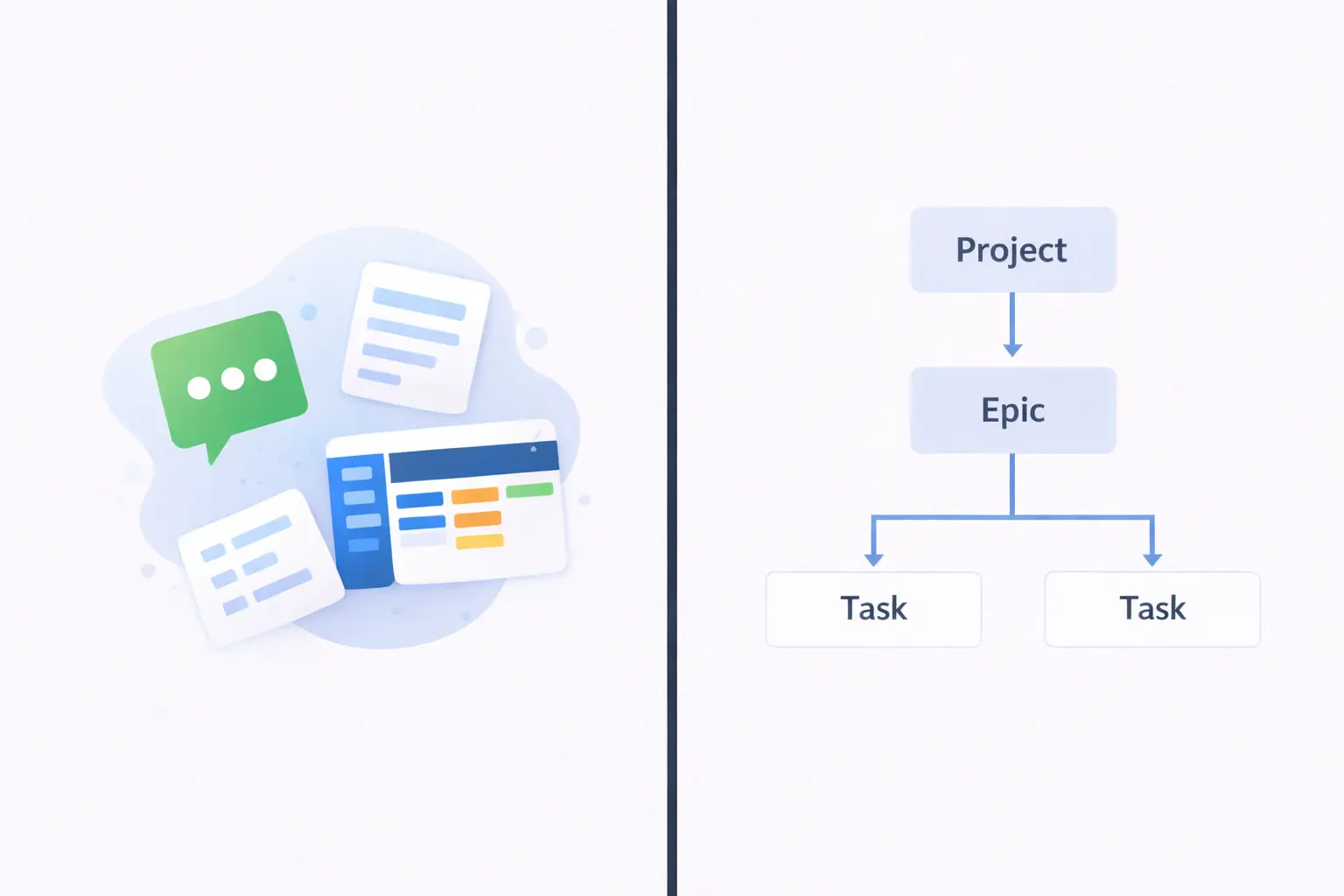
Traditional methods (folders or cloud storage) usually store photos by date. This kills the "context."
A. Topic-Oriented Needs: When a leak occurs, you don't need "October 15 photos"; you need "Wet area plumbing installation photos." In a folder system, linking these requires manual naming for every file—an impossible workload.
B. Decision-Visual Separation: When a photo is shared on WhatsApp, a decision is usually made (e.g., "Break this, rebuild it"). However, the photo stays in the gallery while the decision is buried in chat history.
C. Disconnected Realities: If field data isn't logged into the project node instantly, the architect in the office may believe the project is up-to-date while the site team is building a modified version.
2. Field Data Management with Alios: Node-Based Archiving
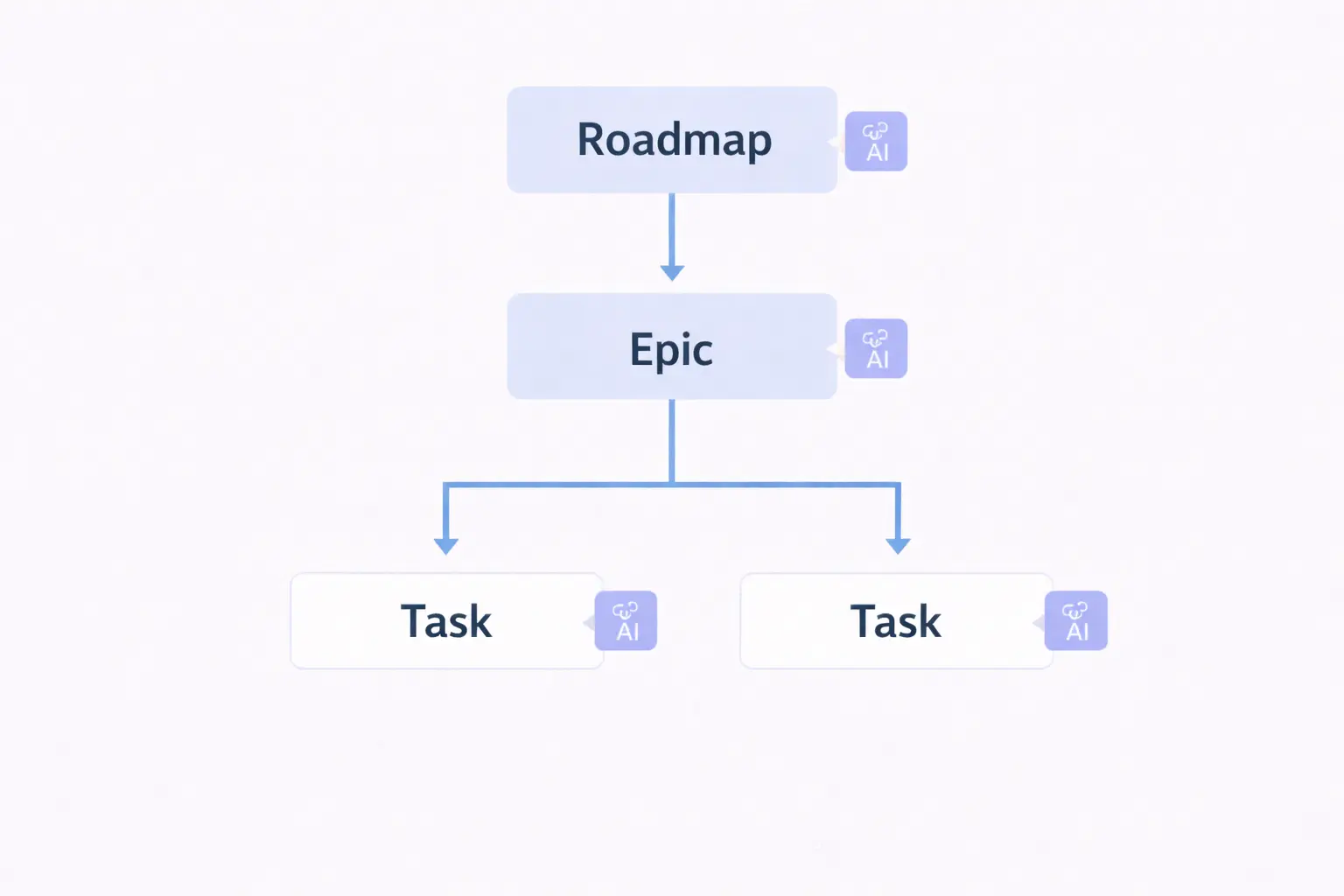
Alios treats field data as living "cells" (nodes) of the project, not just files.
A. Embedding Photos into Tasks: A site architect opens the specific task node (e.g., "2nd Floor Formwork Check") via the Alios mobile app and takes the photo directly inside it. The photo is instantly matched with the status, owner, and date.
B. Turning Notes into Actions: A site note is not just text. In Alios, you decide if a note is an "Action."
Example: Note: "Rusty rebar." -> Action: "Instruct foreman to clean." -> Assignee: Site Engineer John.
C. Visual Filtering: When the project ends, you can instantly filter the gallery for "Defective production photos" or "Approved mechanical installation photos."
3. Three Golden Rules of Site Data Collection
Real-Time Entry: Data should never be entered "back at the office." Memory is deceptive. Log it into the node via Alios mobile on the spot.
Tagging: Use tags like
#Defect,#ClientApproval, or#ProgressPaymentto simplify future searches.Before-After Logic: If a defect photo is taken, add the "Corrected Version" photo under the same node before moving it to Done.
4. Progress Payments & Legal Security
Correctly archived field data ends disputes with contractors or subcontractors.
Transparent Evidence: When an authority claims "this concrete wasn't poured," a time-stamped photo in the Alios node is your strongest proof.
Liability Tracking: If a defect appears a year later, you can instantly check the Alios node to see who approved it and what the site conditions were that day.
Conclusion: The Construction Site is No Longer a Black Box
Alios breaks the glass walls between the office and the site by making field data an integral part of the project tree. Where photos meet notes and notes meet decisions, the margin for error disappears.