Article
Reduce Agency Ops Costs: The Unified System Impact with Alios
Stop tool fatigue. Learn how Alios lowers operational costs by centralizing tasks, eliminating information silos, and reducing redundant meetings for digital agencies.
Reducing Agency Ops Costs with Alios: The Impact of a Unified System
In the agency world, profitability is often associated with winning new clients or high-budget projects. However, on the flip side of the coin, there is a massive monster silently devouring agency profits: Operational Inefficiency. An agency's largest expense is "human hours," and when not managed correctly, this resource is wasted on searching for information, unnecessary correspondence, and fruitless meetings rather than creative production.
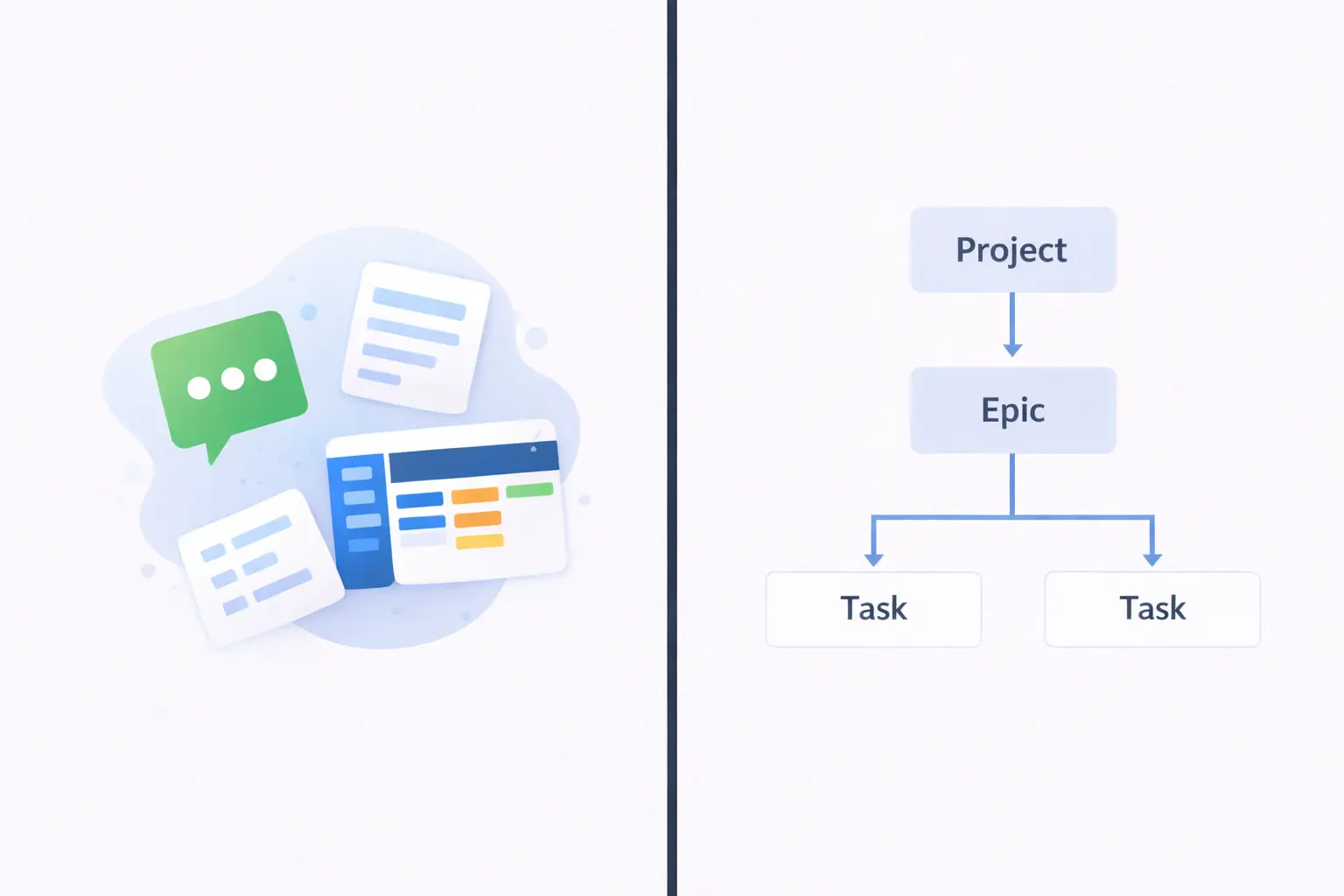
High operational costs in agencies are rarely due to excessive headcount or salary burdens. The real cost stems from teams being forced to work with scattered tools, fragmented datasets, and disconnected communication channels. In the digital age, while "multi-tooling" is presented as a sign of productivity, for agencies, this turns into "tool fatigue" and significant financial leaks.
1. Scattered Tools: The Silent Killer of Agency Productivity
Many agency teams unknowingly navigate between platforms like "digital migrants" during daily operations. A typical daily toolset often looks like this:
Slack/WhatsApp: Instant (but volatile) internal communication and revisions.
Google Drive/Dropbox: Design files, briefs, and presentations.
Trello/Asana/Notion: Task lists and project timelines.
Excel/Sheets: Budget tracking and capacity planning.
Email: Official client approvals and external comms.
When information is scattered across five different platforms, creative team members spend more time searching for info than producing work. A designer checking three different apps to answer "Which was the last approved logo?" is essentially throwing the agency's billable hours into the trash.
2. The Financial Reality of Fragmented Systems
The time lost to scattered tools is often dismissed as "the nature of the business." However, a simple mathematical calculation proves how big this hole is in the agency budget.
Example Scenario: A 5-Person Agency Team
An average employee spends time on these "non-productive" tasks daily:
Task Clarification: "Was this assigned to me?" "Where are the details?" (20 Min)
File/Version Hunting: Searching for the latest version in Drive. (10 Min)
Status Updates: "What's the status of X?" "Did the client see it?" (15 Min)
Coordination Meetings: Urgent meetings when things stall. (30 Min)
This totals approximately 75 minutes of lost time per person per day. In a 5-person team, this equals over 6 hours a day—more than 120 hours of inefficiency per month. Calculated at the agency's hourly rate, this is a "hidden loss" of thousands of dollars every month that could have been spent on strategic planning or New Biz development.
3. The Single System Approach: Alios’s Operational Philosophy
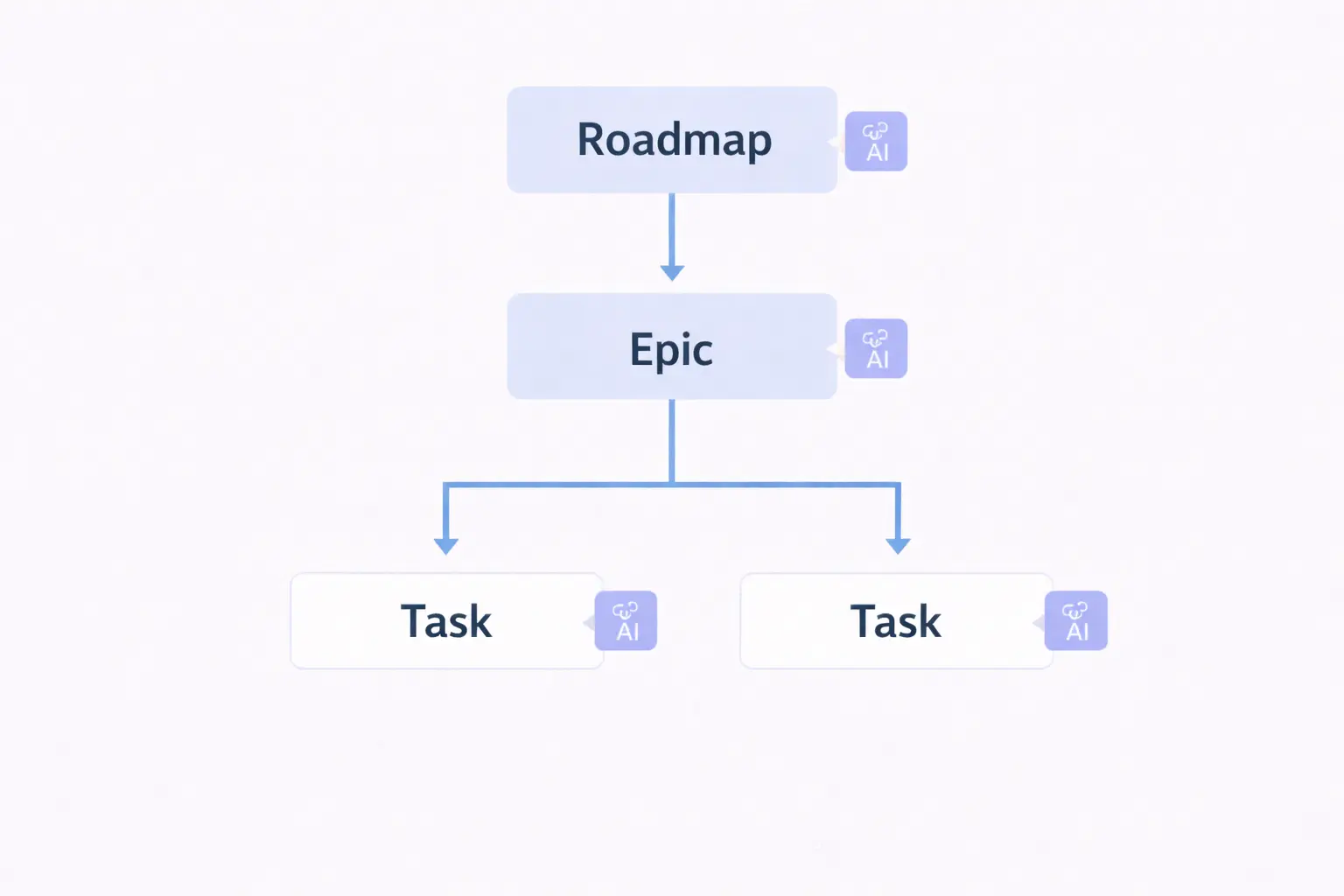
The solution to this chronic problem is the "Single System Approach," the heart of modern agency management. In this model, all components (tasks, files, communication, and reporting) are unified in one platform to eliminate "context switching" loss.
Alios integrates these elements organically:
Centralized Task Management (Nodes): Every job is a living cell of information, not just a card.
Hierarchical Project Tree: A clear, client-based architecture.
Integrated File Management: All materials related to a task are stored at the same point.
Async Information Flow: When a status is updated, everyone is informed automatically.
4. Tangible Contributions of Alios to Agency Ops
A. 40% Reduction in Status Meetings
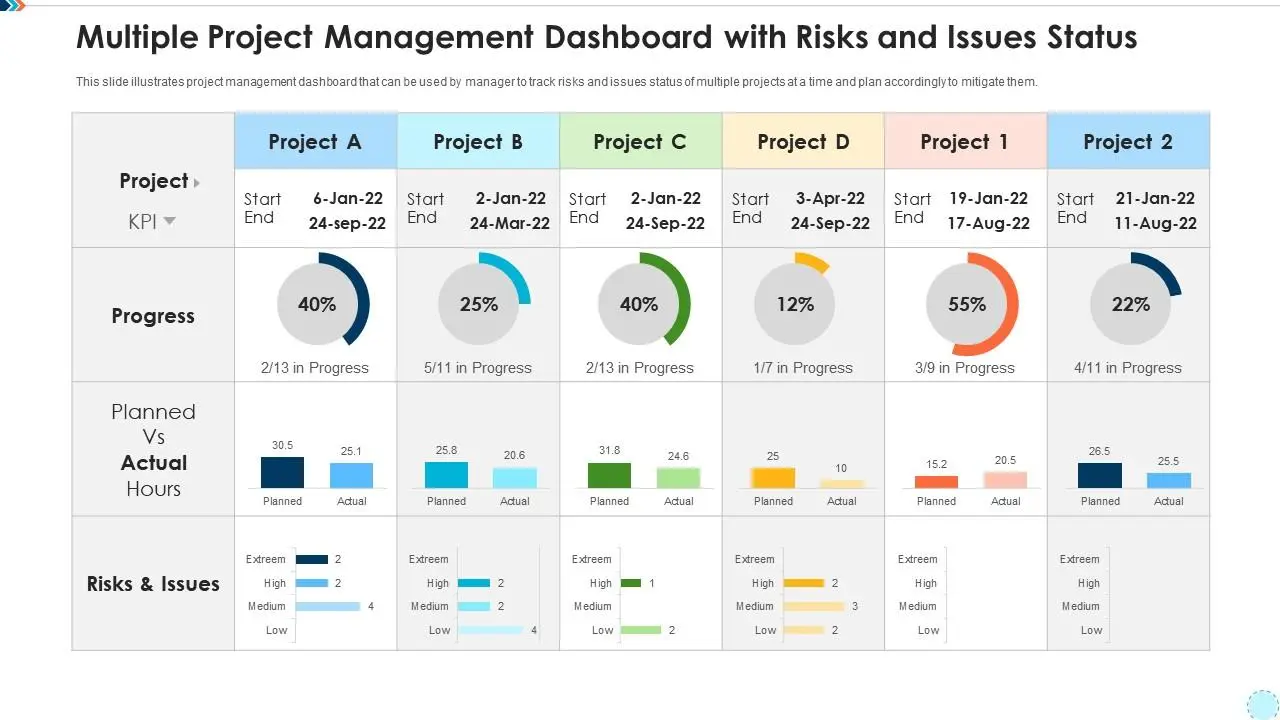
A large portion of weekly time goes to "What's the status?" meetings. In an Alios-powered agency, the manager sees the completion percentage and bottlenecks live on the dashboard. This makes 40% of status meetings redundant, allowing the team to meet only for creative brainstorming or strategic crises.
B. Ending the "Lost in WhatsApp" Era
Instant messaging is an agency's enemy. "The client also wanted this" messages often stay outside the system and are forgotten, leading to delivery-day crises. In Alios, every request instantly becomes a Node (Task) with a clear owner and deadline, reducing the chance of lost work by 80%.
C. Correlation Between Delivery Speed and Satisfaction
Delays are usually caused by "waiting times" (e.g., a design is finished but waiting for a manager's eye). Alios’s status tracking provides proactive visibility. This flow increases on-time delivery rates by up to 30%.
5. Measuring Success: Agency KPIs Post-Alios
KPIMeasurement MethodPost-Alios GoalMeeting TimeTotal hours of weekly ops meetings.30-50% ReductionDelay RateDelayed tasks / Total tasks.40% ImprovementCoordination LoadNumber of messages/emails per task.60% DecreaseCapacity UsageProduction hours / Total working hours.25% Increase
6. Conclusion: Stop Searching, Start Producing
Factors raising agency costs are fragmented info, too many tools, and "off-the-record" tasks. Alios’s Centralized Node System solves this at the root.
Agencies switching to this system don't just save money; they create a happier work environment. No creative professional wants to spend two hours a day hunting for files. The single system approach offers not just a cost advantage, but creative freedom. Focus your team's energy not on "where?" but on "how can we do it better?".