Article
Process Standardization for SMEs: Quality with Alios Checklists
Manage repetitive tasks flawlessly. Discover how to achieve operational excellence in your SME with Alios’s checklist templates and copying logic in this guide.
Process Standardization for SMEs: Increasing Quality with Checklists
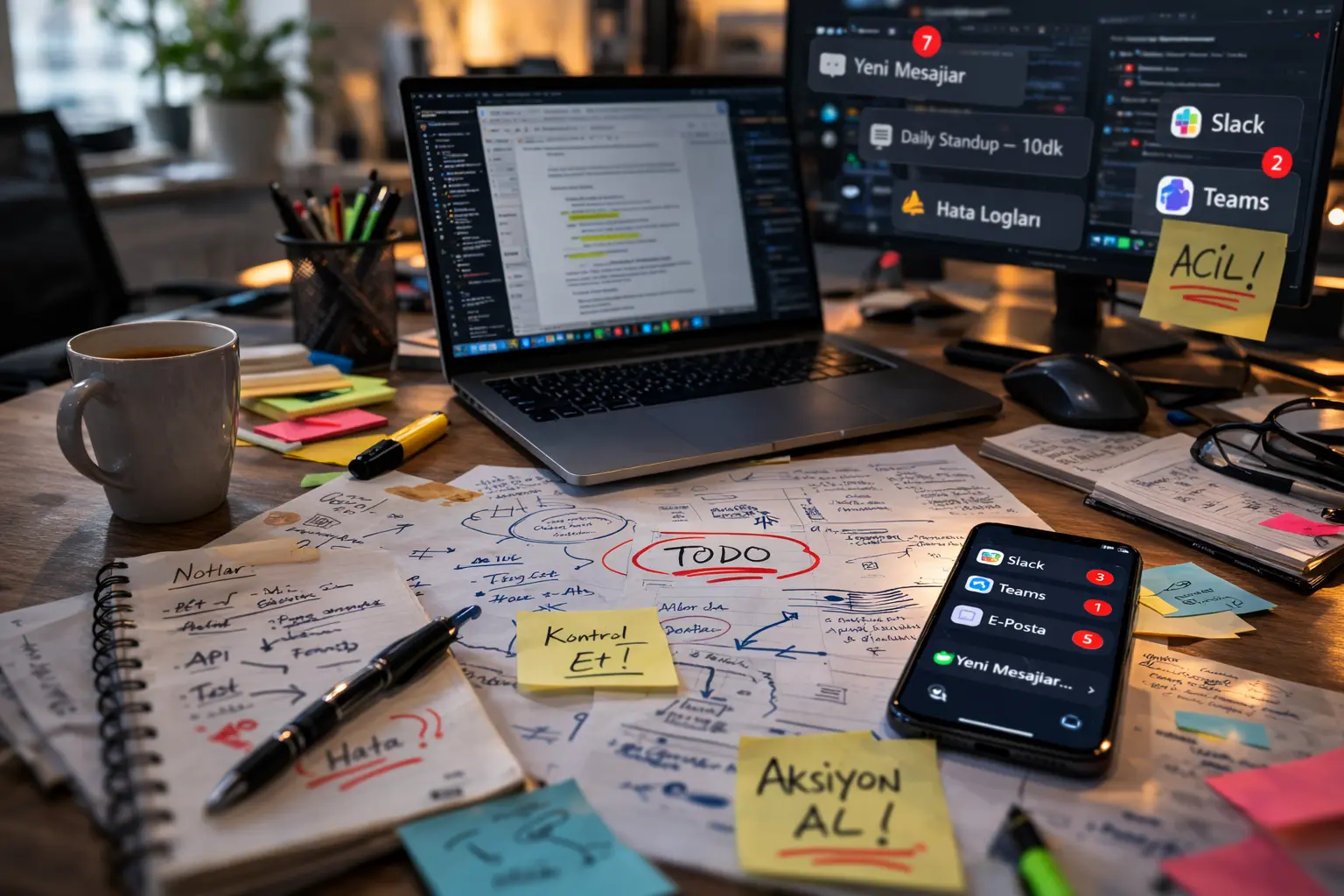
In the growth journey of Small and Medium-sized Enterprises (SMEs), the biggest obstacle is often the dependency on individuals and the lack of a uniform way of doing things. If the quality of a task depends on the motivation or memory of the person performing it that day, "standards" do not exist. The road to operational excellence passes through breaking down complex processes into simple, repeatable, and measurable steps.
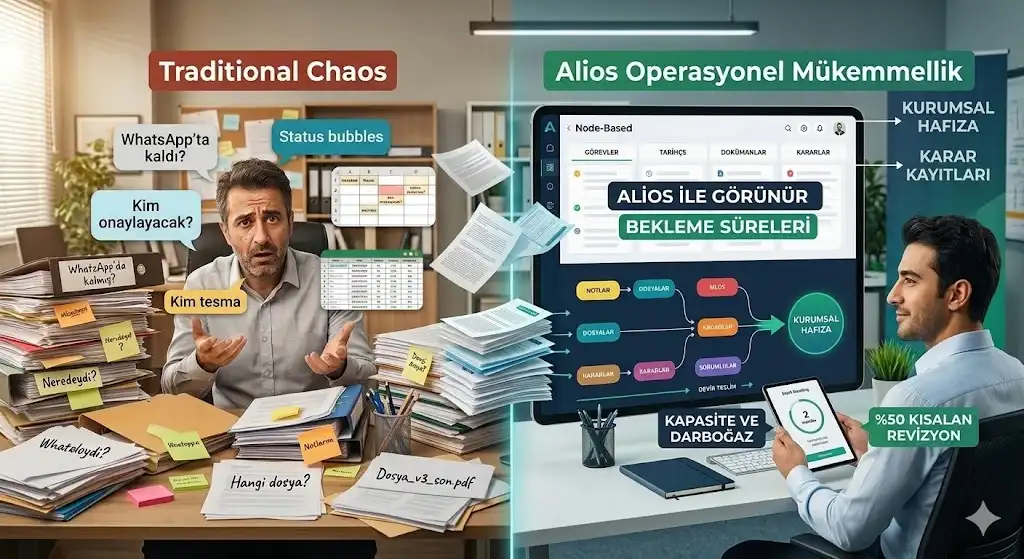
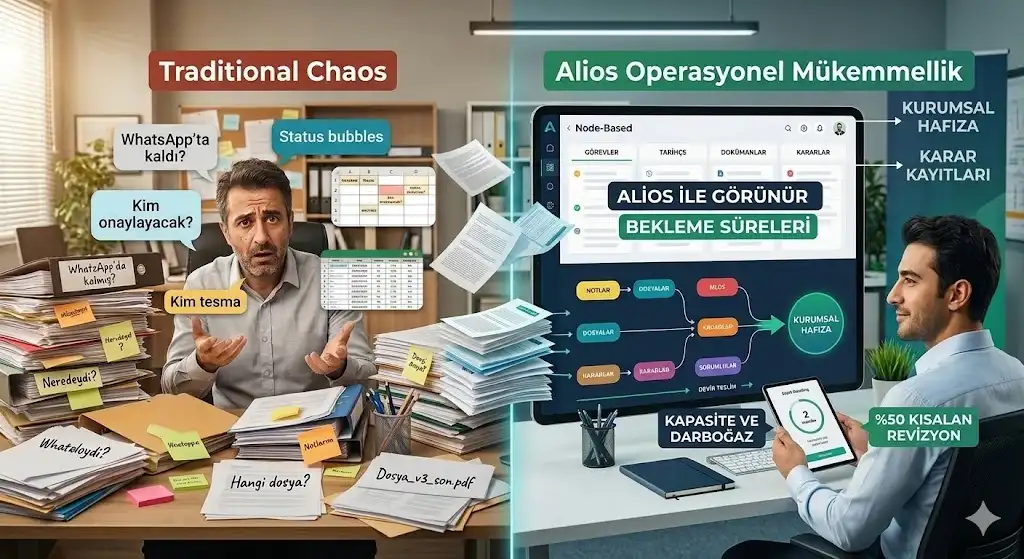
Alios materializes the "Checklist" logic, which allows SMEs to escape this chaos, on a digital backbone. Here is the in-depth strategy for turning repetitive tasks into success templates and maintaining quality at the same level every time with Alios.
1. Introduction: The Hidden Cost of Lack of Standards in SMEs
For an SME owner, "doing the job right every time" must go beyond a mere wish. In most businesses, work is carried out through "master-apprentice" relationships or verbal instructions. However, as the business grows, this method generates the following costs:
Error Margin: Forgetting a critical step (e.g., failing to check tax compliance when sending a quote) leads to financial loss and loss of prestige.
Time Waste: Constantly consulting someone for the question "How was this job done?" steals time from senior staff.
Quality Fluctuation: While the service provided to one customer is flawless, faulty service to another damages brand trust.
Process standardization eliminates these risks by transferring the "brain" of the business from individuals to the system.
2. Why Checklists Save Lives?
In sectors that do not accept errors, such as aviation and medicine, checklists are mandatory. For SMEs, a checklist is not just a to-do list; it is a "Quality Assurance System."
Democratization of Knowledge: When a checklist is used, how a job should be done is no longer secret knowledge. A new employee can complete a task flawlessly, like a 10-year expert, by following the steps in the list.
Mental Relief: Humans lose creative energy when trying to remember routine steps. A checklist eliminates the anxiety of "Did I forget something?" and allows the staff to focus on the core of the work.
3. The Alios Approach: Templates and Copying Logic
Alios takes the traditional checklist logic one step further by placing it at the heart of the operation:
A. Node Architecture and Sub-tasks
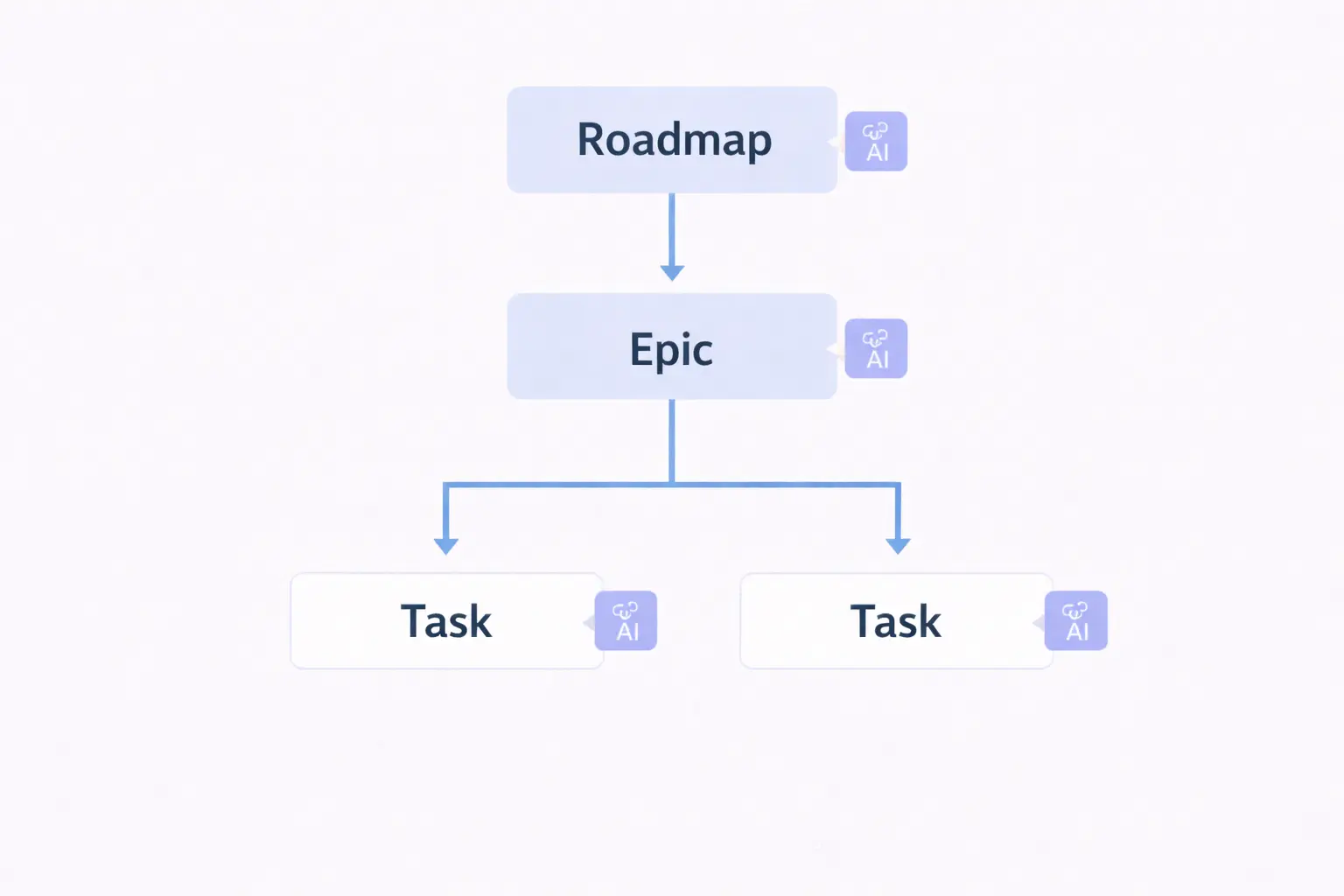
In Alios, every main task is defined as a "Node." Checklist items added inside this Node form the anatomy of the work. As each item is completed, the progress percentage of the work is automatically updated. This gives the manager a visual answer to the question, "Where are we in the process?"
B. The Template (Blueprint) Logic
80% of tasks in SMEs are repetitive. In Alios, a successful process is defined once as a "Perfect Process" and turned into a template.
Rapid Setup: When a new job arrives, you don't think about what to do from scratch; the relevant template is selected, and all steps are loaded automatically.
Continuous Improvement: Was a mistake made in a process? Update the template, and that mistake is automatically prevented in all future tasks.
C. Ease of Copying and Duplication
Alios's copying logic allows for the setup of similar projects in seconds. If you have created a campaign structure for one client, you can copy the same Node structure and checklist for another client, continuing by only updating variables like names and dates.
4. Conclusion: You Can't Manage What You Can't Measure
In an SME where processes are not standardized, growth brings more chaos and more errors. Alios's checklist and template logic grant your business "Scalability." Even if people change, the system continues to produce the same quality output. Quality is not a coincidence; it is the result of a well-constructed control list.