Article
Ownership Ambiguity in Startups: A System for Who Does What
Ownership ambiguity is the most common cause of delays and rework in startups. Learn how to solve the who-does-what problem in Alios with assignments and filters.
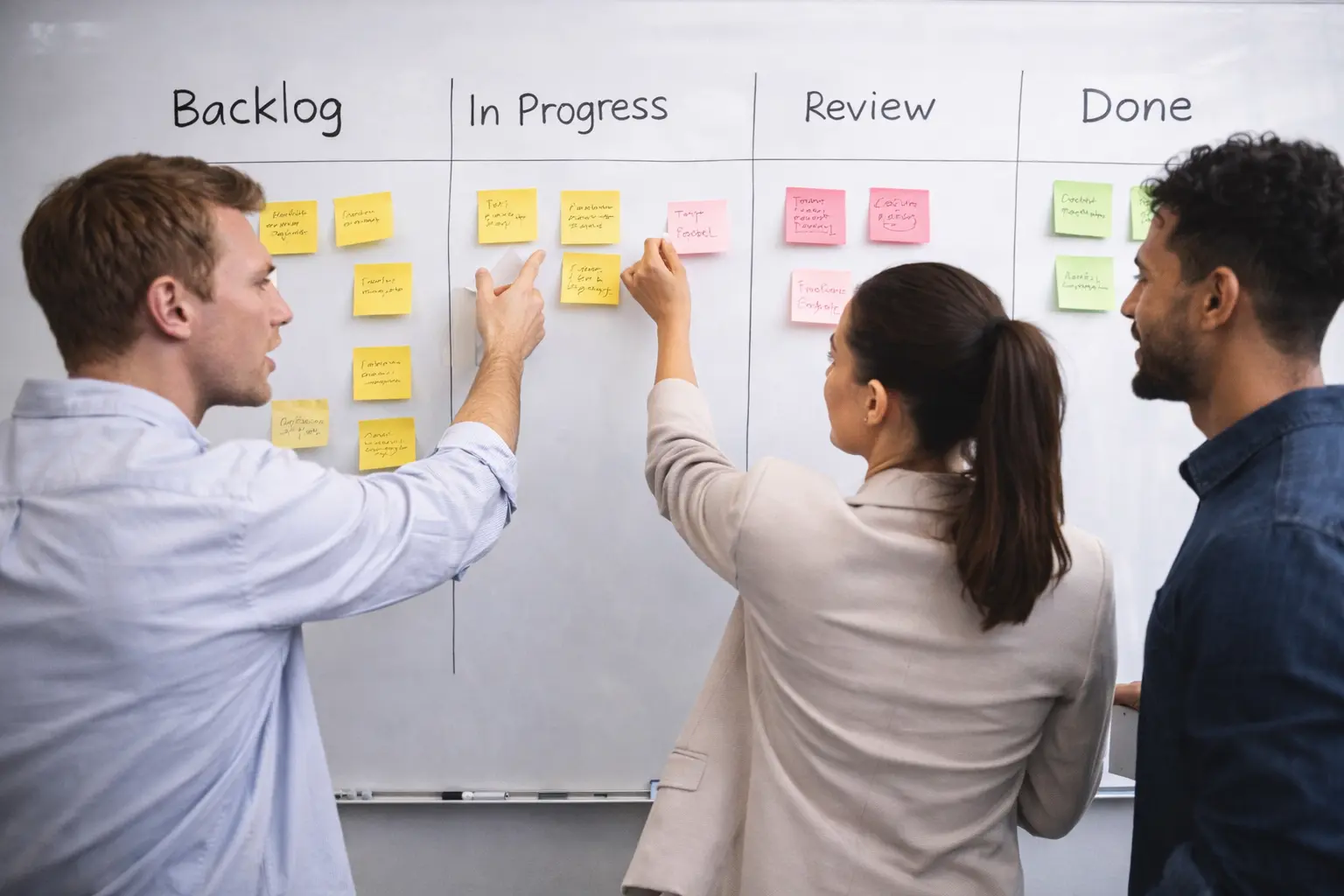
Ownership Ambiguity in Startups: A System for Who Does What
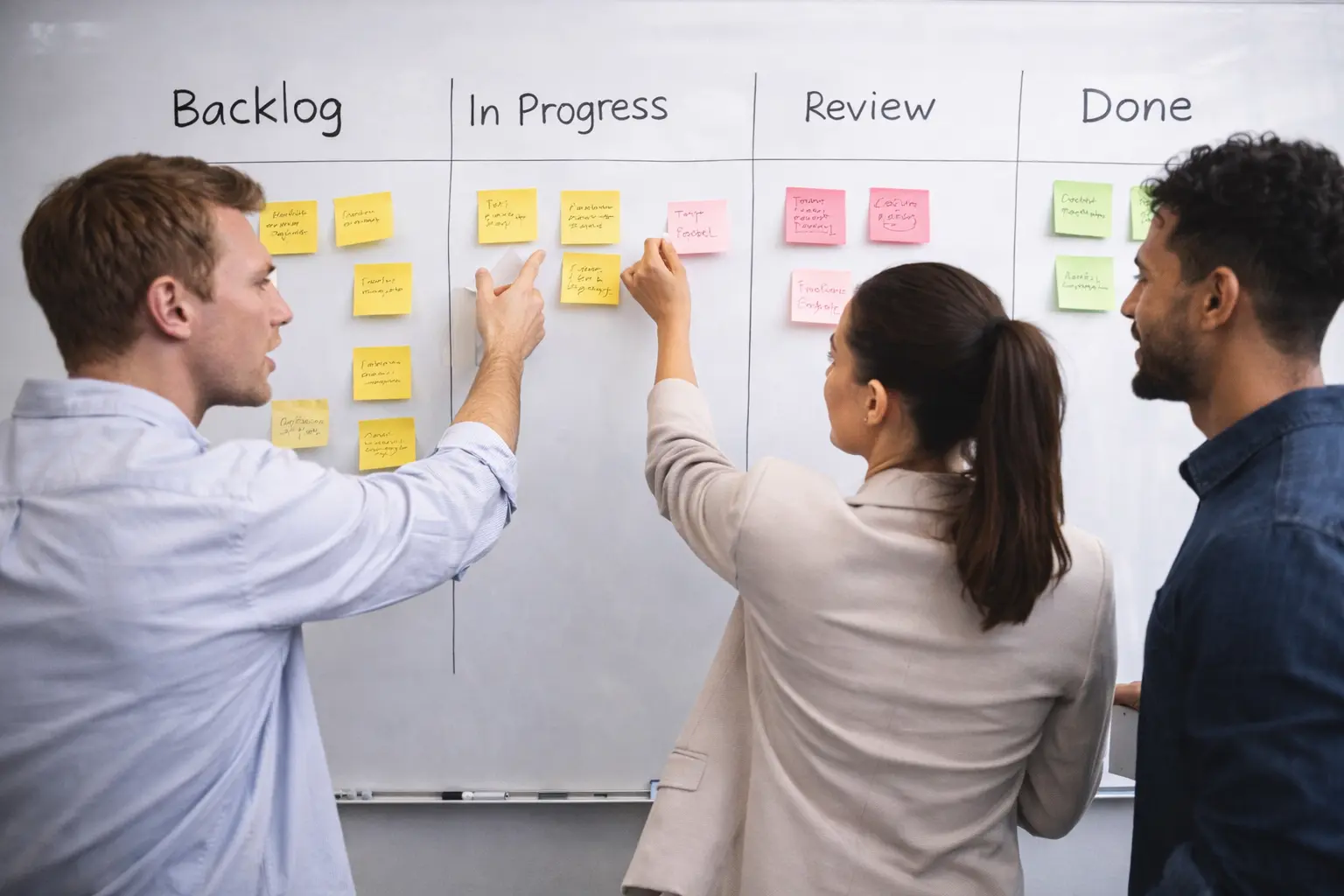
In a meeting, someone says "let's take care of this." Everyone nods. The meeting ends. A week later, the task still hasn't been done — because who would do it was never clear.
Or the opposite: the same task gets done by two people working separately, neither aware of the other. One finishes, and the other's work goes to waste.
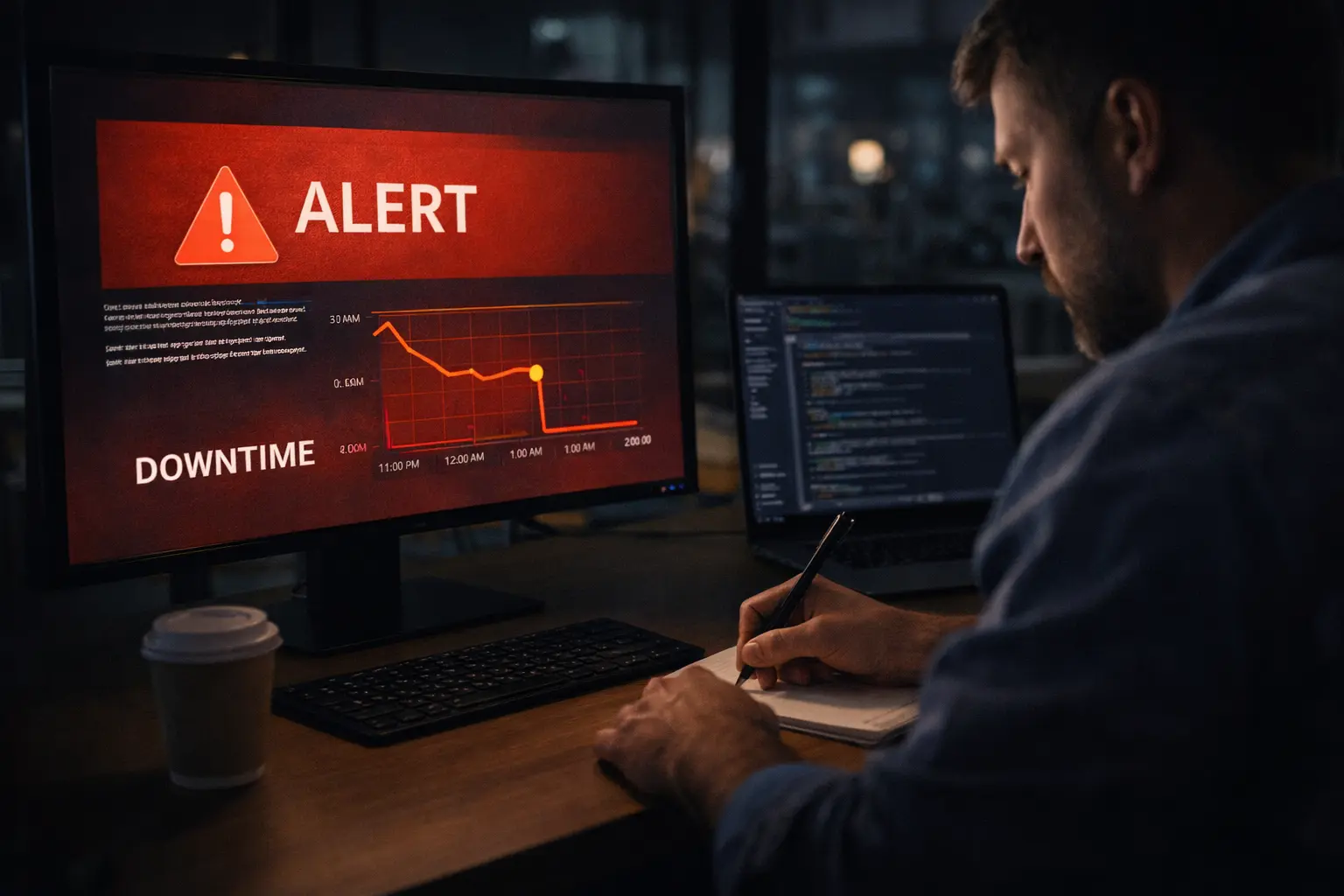
Ownership ambiguity is one of the quietest and most expensive problems in startups. No invoice arrives — but it gets paid every day.
The Real Cost of Ownership Ambiguity
Ownership ambiguity has two concrete costs.
Delay cost: When a task is assigned to "the team," nobody does it. Everyone assumes someone else is handling it, or thinks it's someone else's responsibility. When the deadline arrives, the work is at zero. That's when the debate about who will do it starts — and delay becomes inevitable.
Rework cost: Two people do the same research. Two people write the same document. Someone has the same conversation with a client twice. These overlaps look small, but when they happen several times a week they add up to a serious productivity loss. There's also a motivation cost: the feeling of "the work I did was already done" drains team energy.
Beyond these, ownership ambiguity turns into a trust problem. The founder asks the team "is this done?" and the answer is "I think so." An operation built on "I think" can't scale.
Where Does Ownership Ambiguity Come From?
The problem usually comes from structural gaps rather than bad intent.
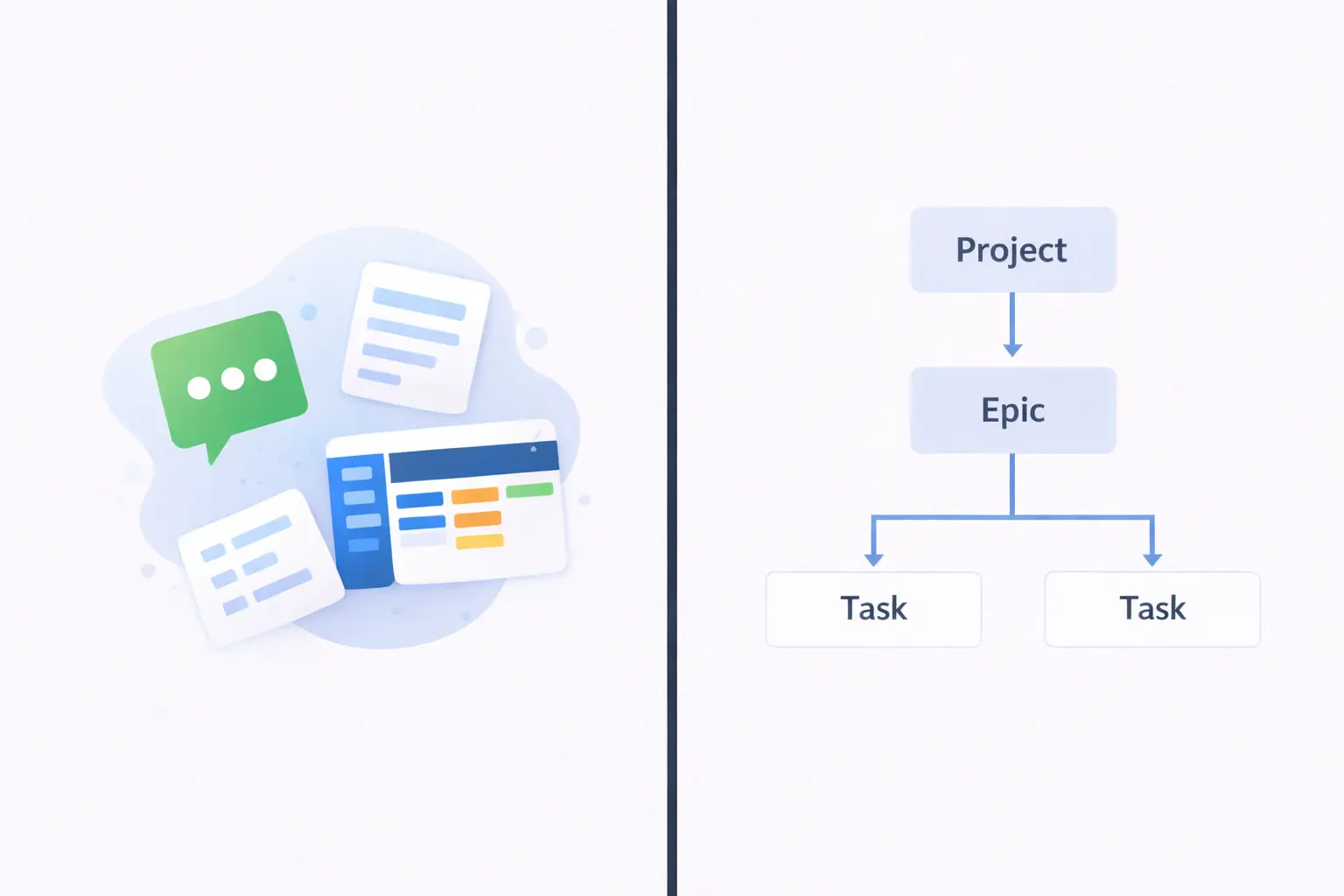
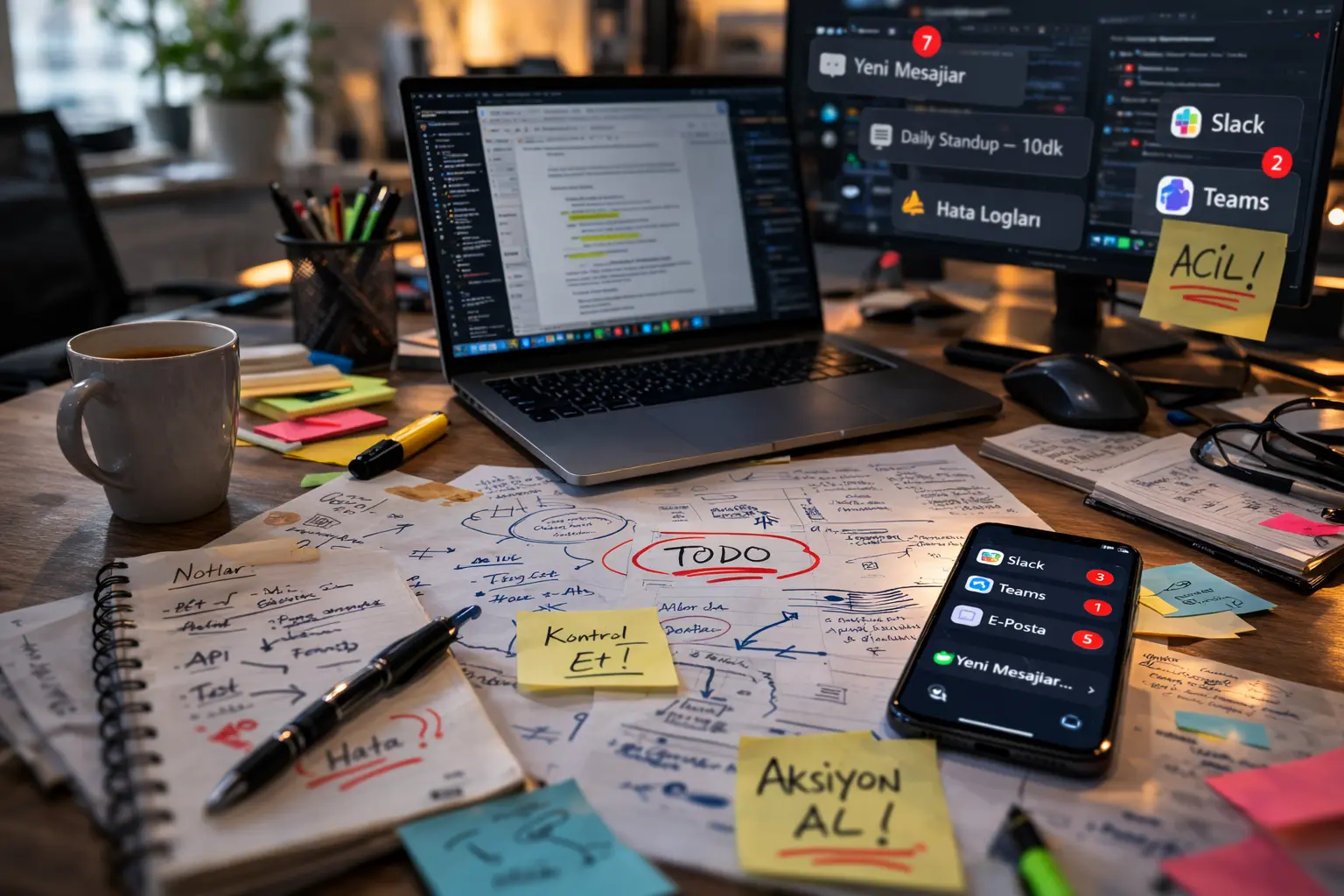
Assignments are verbal. They get said in the meeting, never written down. Context disappears when the meeting ends.
"The team" isn't a person. "Marketing will handle it" gets said, but there are two people on the marketing team and both think the other one will do it.
Task definitions are vague. "Research this" isn't a clear task. What to research, what output is expected, by when — without these written down, no one can take ownership.
There's no visibility. Who's doing what information doesn't sit in a central place. Finding out requires asking. Asking takes time, and sometimes nobody even asks.
How to Build an Ownership System in Alios
In Alios, eliminating ownership ambiguity happens in three steps: clear assignment, central visibility, filtered tracking.
Step 1 — Every Node Has One Owner
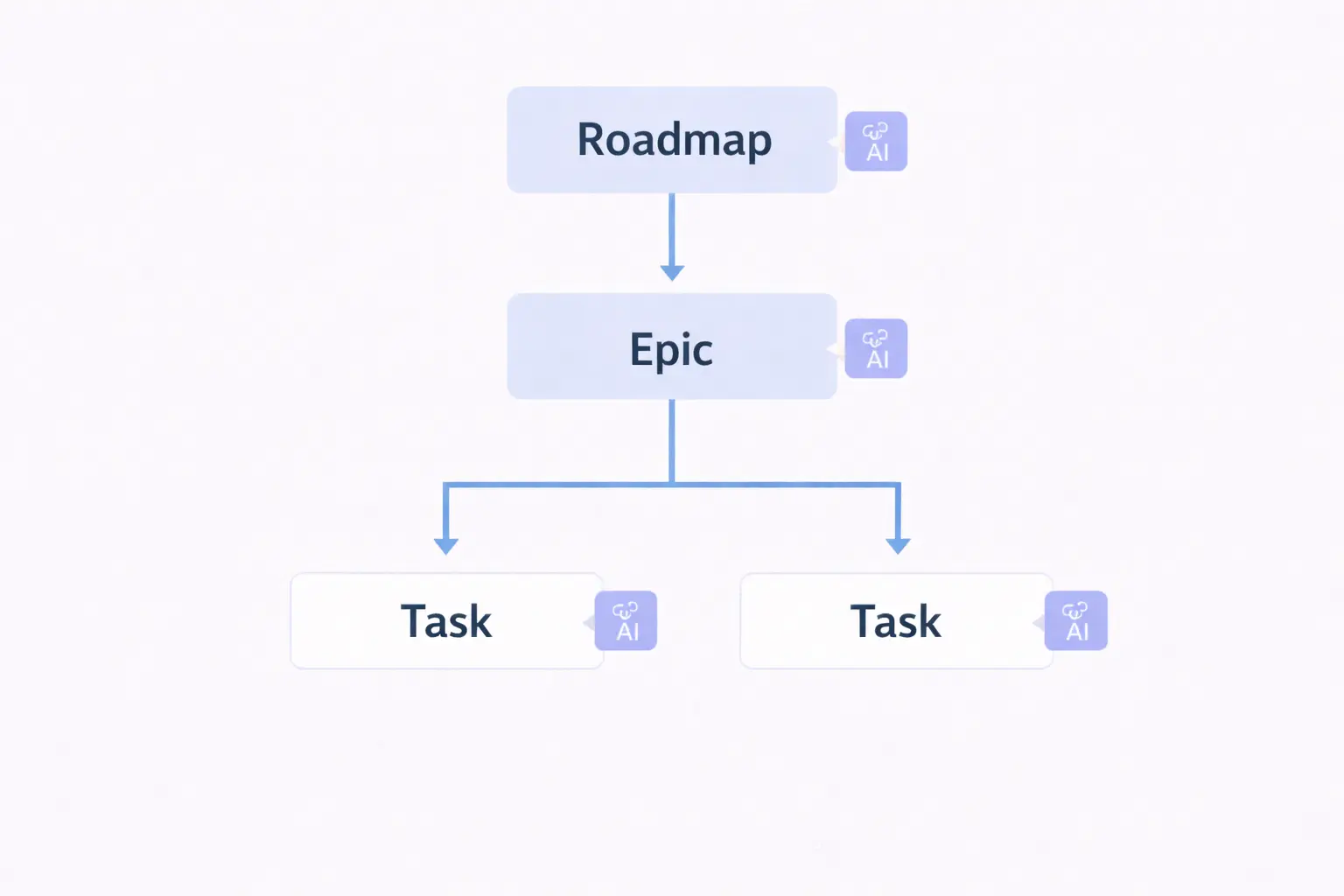
In Alios, a task isn't considered complete until the owner field is filled when a node is opened. This simple rule systematically eliminates the "the team will do it" fuzziness.
Two things to watch when assigning ownership:
One task, one person. Two people can be assigned to the same task, but one needs to be the "lead." When someone asks who's responsible, one name should come up.
The title should contain an action. "Marketing" can't be owned. "Prepare the social media calendar by Tuesday — Zeynep" can be owned. The more concrete the task, the stronger the ownership.
The expected output gets written in the node description:
📌 TASK: Prepare social media calendar
Owner: Zeynep
Deadline: Tuesday, [date]
Expected output: 2-week content calendar with
platform and time information
Context: Building a consistent weekly posting
rhythm for visibility before launch
When Zeynep opens this node, she knows what to do, when to do it, and what to deliver. No need to ask.
Step 2 — Central Visibility: Who Does What?
In Alios, all nodes can be filtered by owner. This filter answers the question "who does what?" in seconds.
Usage scenarios:
Founder morning check: "In Progress + deadline this week" filter. Every team member's active tasks, who's working on what, which deadlines are approaching — on one screen.
Team member's own list: The person opens their own nodes in the morning. What to do today, priority order, where they're stuck — all there. Starts the day without asking anyone.
Manager workload distribution check: If too many open nodes are piling up with one person, it becomes visible. Uneven distribution gets noticed early, tasks that need to be handed off become visible.
Step 3 — No Ownerless Tasks with Filtered Tracking
A "ownerless node" scan is done once a week. Nodes with no owner assigned, unclear status, or past their deadline are listed.
📋 WEEKLY OWNERSHIP CHECK

Ownerless nodes → assign immediately
Nodes past deadline still open → why didn't
they close, what happens next
Nodes in "To Do" but untouched for 2 weeks →
still valid?
Multiple open nodes on the same topic →
is there overlap, merge them
This scan takes 15 minutes. But it prevents the ownership system from breaking down.
Ownership Culture: Behavior Before Tools
Tools don't build ownership — behavior does. Alios makes this behavior possible and visible, but without a few basic rules the system doesn't work.
Rule 1 — No ownerless tasks get opened. When a node is created, the owner field doesn't get left blank. If it's not clear who will do it, the task doesn't get opened — that gets decided first.
Rule 2 — Completed tasks are closed by their owner. Nobody else can close it. This rule ties accountability to the individual.
Rule 3 — Taking over is an active action. When a task changes hands, the new owner opens the node, reads the context, and writes in the description that they're accepting it. "I'm taking this over" isn't verbal — it's visible in the system.
Rule 4 — "I think they're doing it" isn't accepted. When uncertain, the node is opened and checked. No ownership running on assumptions.
Final Thought
Ownership ambiguity in startups looks like a culture problem that's hard to solve. But it's largely a structural problem — and structural problems have structural solutions.
In Alios, assigning an owner to every node, regularly using the "who does what" filter, and doing a weekly ownership scan systematically resolves this problem. Ownership ambiguity stops being the main source of delays and rework in a startup.
Replacing "I think they're doing it" with "look at the node" is a small change. The impact is large.