Article
AEC Stakeholder Sync: Managing Deliverables via Alios Nodes
Stakeholder Coordination: End the email chaos. Alios uses Node-based dependencies and "Definition of Done" checklists to sync subcontractors and ensure flawless delivery

Subcontractor and Stakeholder Coordination in Engineering: A Guide to Clarifying Deliverables and Process Management
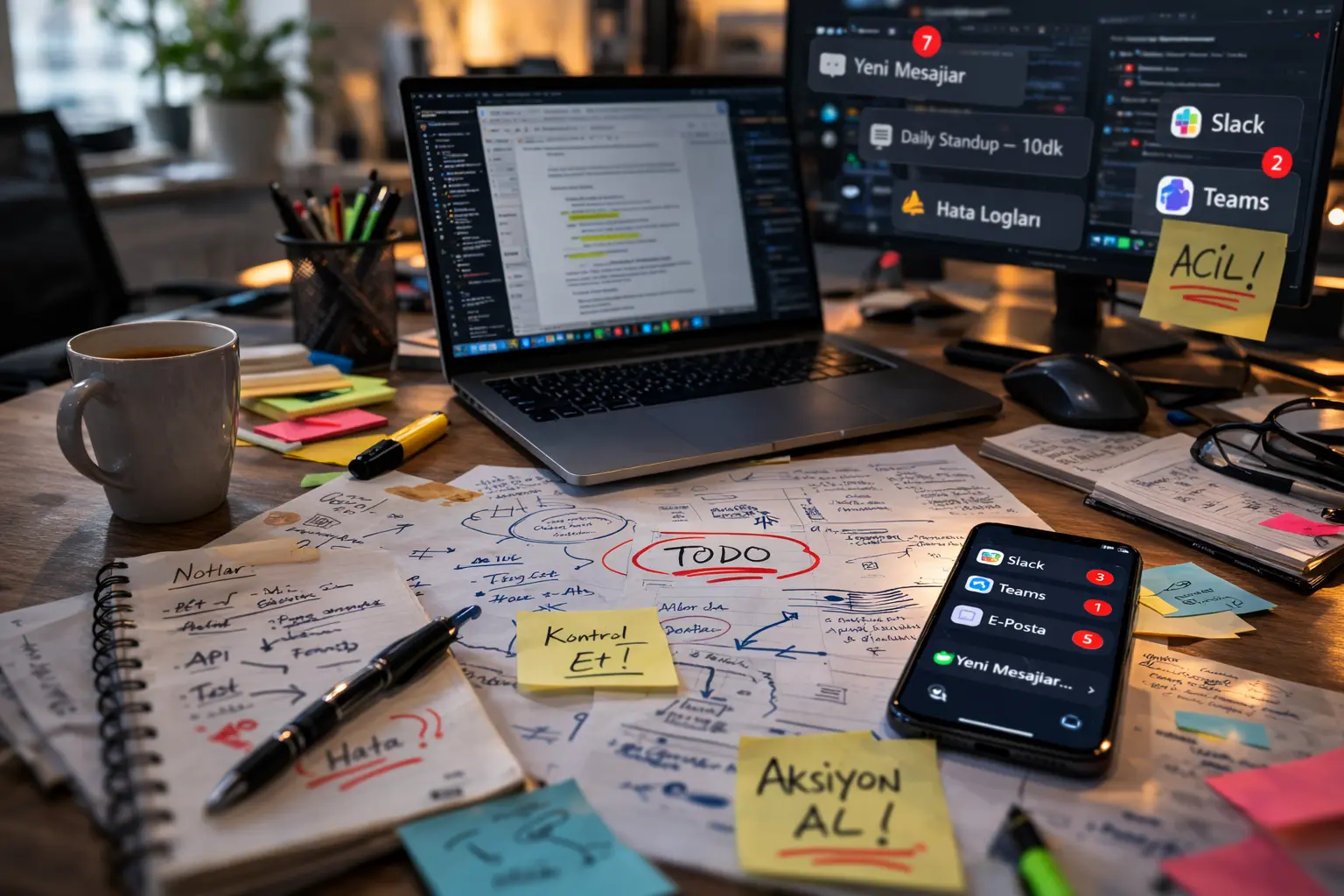
The success of engineering projects depends not only on the internal capabilities of the lead firm but also on the performance and synchronization of external stakeholders (subcontractors, consultants, suppliers, and regulatory bodies). In a complex engineering structure where disciplines like structural, mechanical, electrical, and infrastructure are handled by different parties, a lack of coordination becomes a "profit killer."
Alios transforms stakeholder coordination from mere "expectations" into concrete, measurable Action Nodes.
1. Core Problems in Stakeholder Coordination
Understanding the structural issues that cause coordination breakdowns is the first step toward a solution:
A. "Grey Areas" and Responsibility Confusion: When the scope is not clearly defined, each stakeholder assumes the other is handling the task (e.g., who draws the electrical feed for mechanical equipment?).
B. Data Asymmetry: Subcontractors often work in silos. By the time they report back, the data is outdated. A structural office working without the latest architectural revision is wasting time.
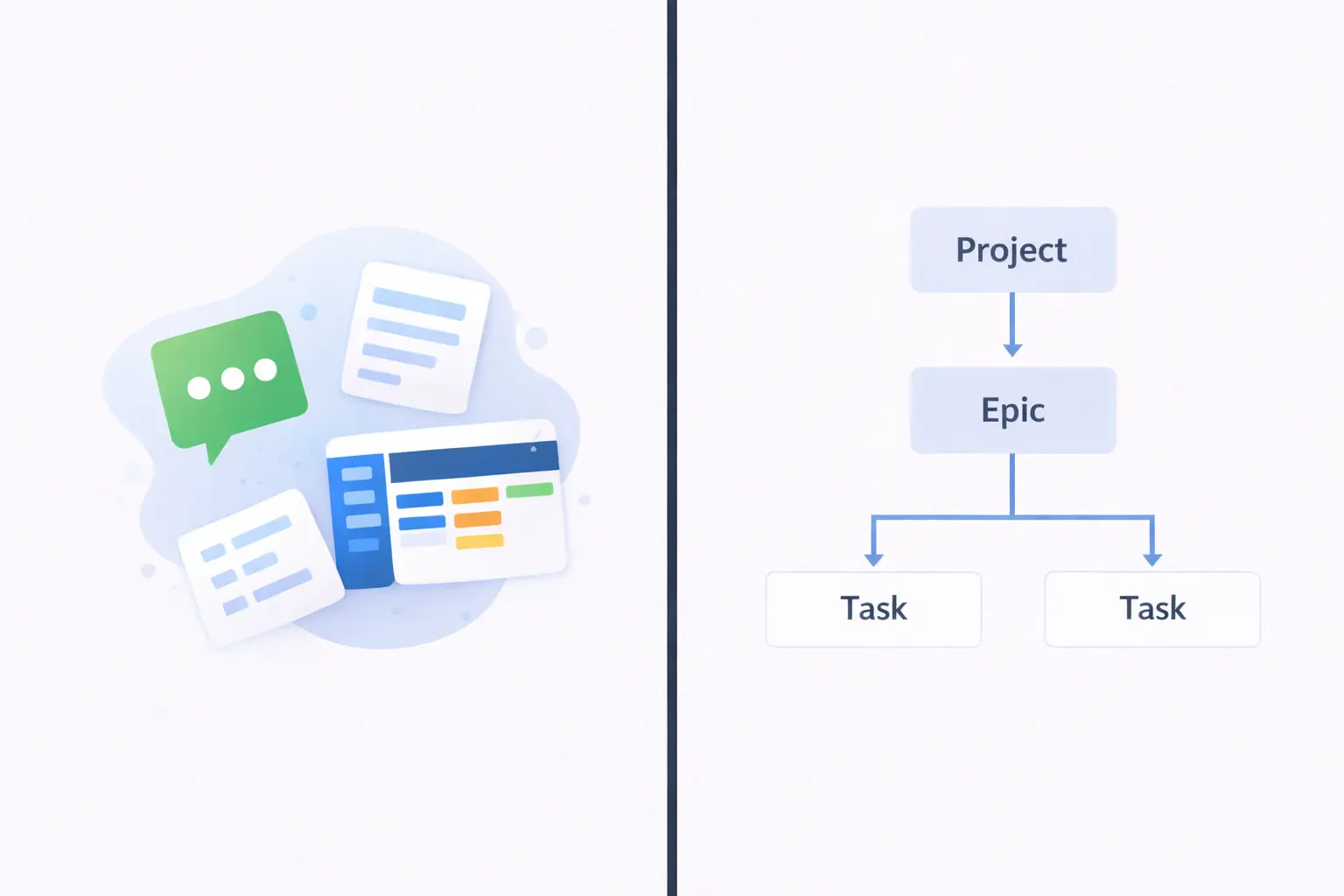
C. Invisible Dependencies: Engineering tasks are not linear; they are a web. In manual systems (like Excel), it’s impossible to see how one subcontractor’s 3-day delay ripples through the entire project.
2. Alios Strategy: Clarifying Deliverables
Alios integrates external stakeholders directly into the living project:
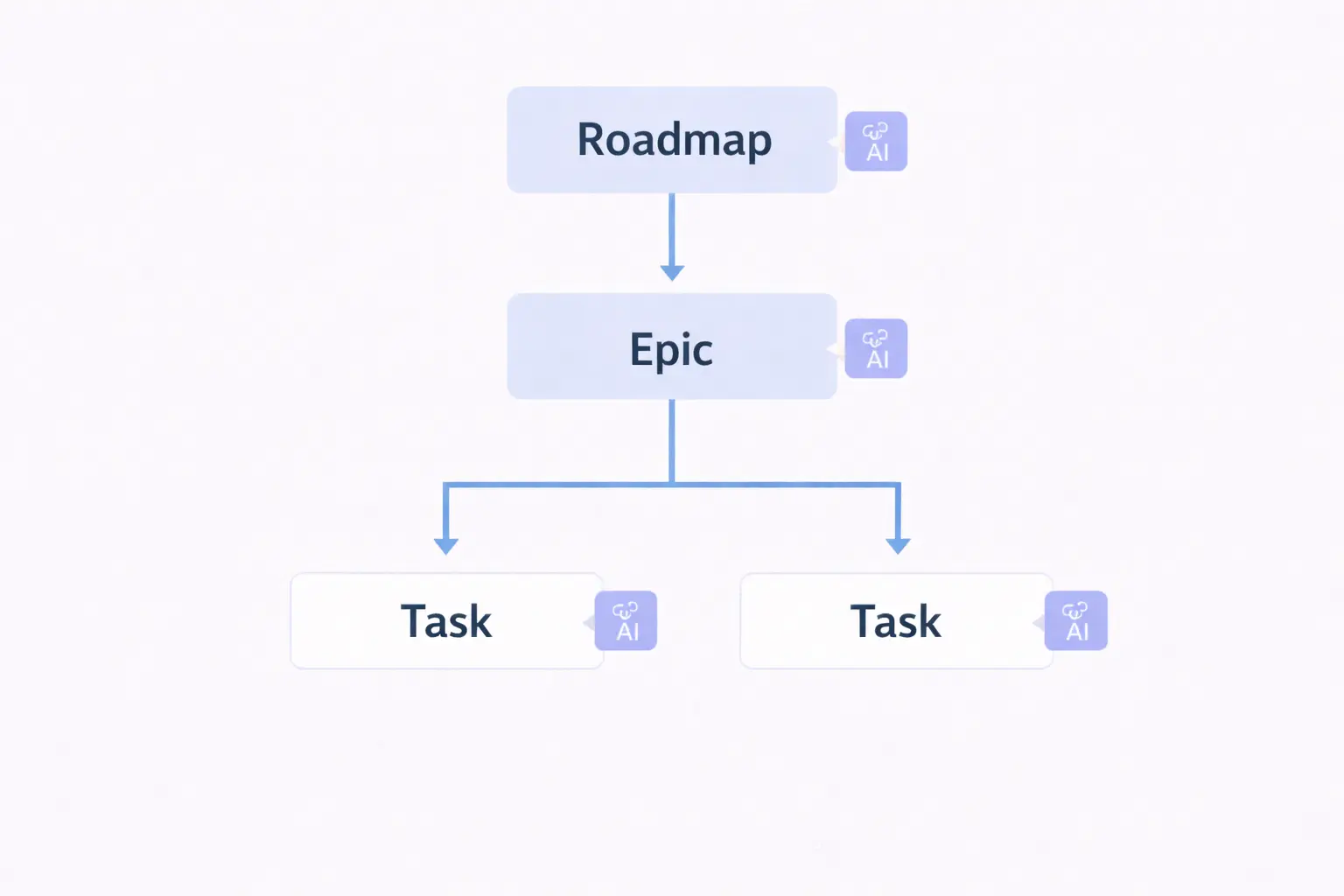
A. Customized Access & Node Trees: Subcontractors see only the nodes relevant to them but can track the status of critical "pre-requisite" nodes (e.g., seeing if the Architectural set is "Approved").
B. "Definition of Done" (DoD): Every assigned node is backed by a checklist. A "Structural Calculation" node cannot be marked Done without the signed report, the model file, and the PDFs attached.
C. Automatic Dependency Tracking: The link between parties is formalized. The "Foundation Project" node (Structural Sub) remains inactive until the "Soil Report" node (Consultant) is completed.
3. The 5-Step "Flawless Delivery" Protocol
Standardize this workflow on Alios to build a culture of coordination:
Input Clarification: Ensure all "Input" nodes (Architectural approvals, site measurements) are attached before the stakeholder starts.
Intermediate Check Nodes: Instead of waiting for the final result, open "Review Nodes" for 30% and 60% completion stages to catch errors early.
Version Tracking: All revisions must be logged directly into the Alios node comments with version numbers, replacing fragmented email chains.
Approval Cycles: Stakeholders set the status to Waiting for Approval. The work is only official once the lead firm's technical office approves it.
Performance Scorecard: At the end of the project, use node data to generate a "Stakeholder Scorecard" based on lead times and quality.
Conclusion: Coordination is a System, Not an Accident
Alios provides the professional platform to speak the same "language" with your stakeholders, eliminating uncertainties and formalizing every deliverable.