Article
AEC Task Management: Clear Backlogs & Boost Flow with Alios
Engineering Backlogs: Stop the pile-up. Alios uses Node-based tracking and dependency trees to make work visible, assign ownership, and clear bottlenecks Flow don't stall

Work Tracking for Engineering Firms: Why Backlogs Accumulate and How to Solve It
In engineering firms, the greatest enemy of operations is the mountain of "backlogged work" silently growing on desks and in digital folders. When a project starts, everything seems fine; however, a few weeks later, it is noticed that some tasks remain in the "in progress" status for weeks, while others haven't even started. This doesn't just cause delayed deadlines; it leads to poor morale in engineering teams, shattered client trust, and most importantly, the erosion of project profitability.
The truth is: in engineering, work piles up not because it is difficult, but because the process is not visible. Alios fundamentally solves these structural bottlenecks for engineering firms with its "Node-based" architecture. Here are the reasons why work accumulates in engineering and ways to break this cycle with Alios.
1. Reasons for Backlogs in Engineering: The Invisible Trio
Backlogs usually stem from operational management errors rather than technical inadequacy. The three main causes of bottlenecks in engineering firms are:
A. Lack of Ownership If a task (e.g., "Mechanical Installation Calculation") sits under a general project heading without being assigned to a specific person, it becomes "everyone's job." What is everyone's job is, in reality, "no one's job." When responsibility is not clarified, tasks remain orphaned and pile up.
B. Prioritization Paralysis When an engineer faces 10 different tasks simultaneously without knowing which affects the Critical Path, "decision fatigue" sets in. The engineer usually picks the easiest task or the loudest one (the one the client asks about most). Yet, that "silent" calculation, which is actually critical, can lock down the entire project.
C. Complex Task Dependencies Engineering work is linked in a chain. A formwork plan cannot be made without the structural project; mechanical layouts cannot be done without approved architectural sections. If these dependencies are not tracked systematically, a team member stops because they are "waiting for something" but fails to communicate this. Result: Silent accumulation.
2. The Solution Approach with Alios: Eliminating Bottlenecks
Alios offers dynamic Operational Visibility rather than just a simple "to-do list."
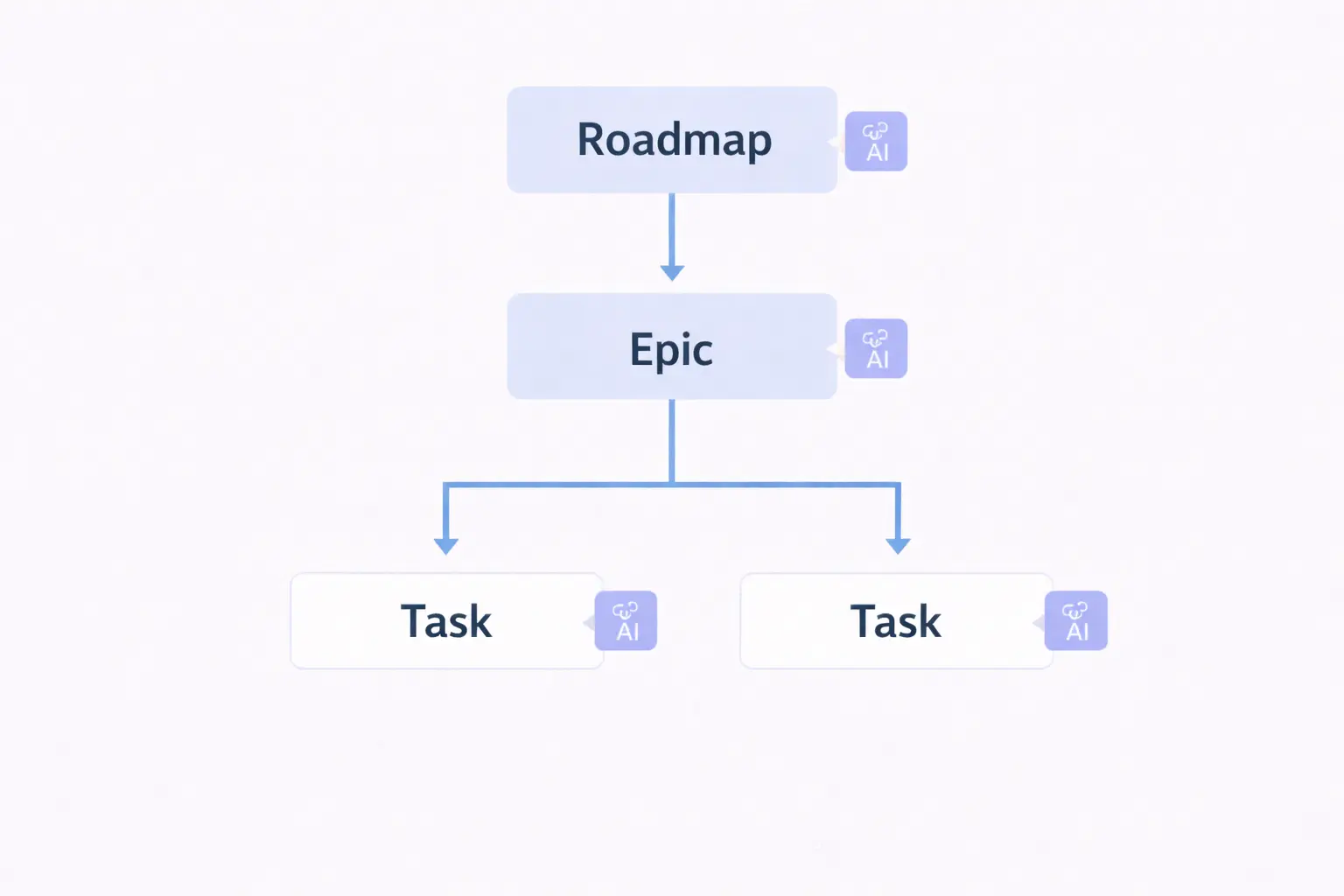
A. Absolute Ownership with Node Structure In Alios, every engineering task is an independent Node.
Clear Assignment: The moment a node is opened, an "Owner" is assigned.
Timeline Tracking: When start and end dates are entered, Alios automatically calculates that person's workload.
B. Dependency Tree: "Why am I Waiting?" Alios can link nodes together to manage sequences.
Prerequisite Definition: The "Structural Calculation" node does not become active until the "Soil Report" node is finished.
Automatic Alerts: When a prerequisite task is completed, the next engineer receives a notification: "The block is cleared; your work starts now." This reduces idle time by nearly 40%.
C. Visual Workload and Bottleneck Analysis Through the Alios Dashboard, you can see instantly how many active nodes are assigned to each engineer.
Capacity Management: If a senior engineer has 15 tasks piled up while another has 3, the manager can drag and drop nodes to redistribute the load immediately.
3. Backlog Clearance Protocol
If you already have a pile of pending work, apply this protocol on Alios:
Inventory: Define all pending work as individual nodes.
Identify the Critical Path: Prioritize tasks that are blocking others from starting.
Quick Wins: Complete small tasks (under 1 hour) in a single "Clean-up Day" to gain psychological momentum.
Clear Blocks: Remind clients or managers about tasks in "Waiting for Approval" via Alios to move the ball out of your court.
4. Early Warning Indicators for Engineering Teams
Alios signals you when work starts to pile up:
Stagnant Nodes: Tasks that haven't changed status in 48 hours begin to glow in the system.
Deadline Proximity: Tasks with 2 days left that are still "To Do" trigger warnings on the manager's screen.
Approval Queue: If more than 10 tasks pile up for a manager's approval, the system labels the manager as a bottleneck.
Conclusion: Speed in Engineering is System Discipline
Backlogs in engineering firms are not an inevitable fate; they are a visibility problem. Alios makes it transparent who has the work, why it is waiting, and when it will finish.