Article
AEC Effort Tracking: Measuring Delivery, Not Minutes (Alios)
Stop tracking minutes; start measuring progress Alios uses Node-based delivery tracking to visualize workload and clear bottlenecks without the stress of micro-management

Is Time and Effort Tracking Necessary in Architecture? (A Simple and Effective Approach)
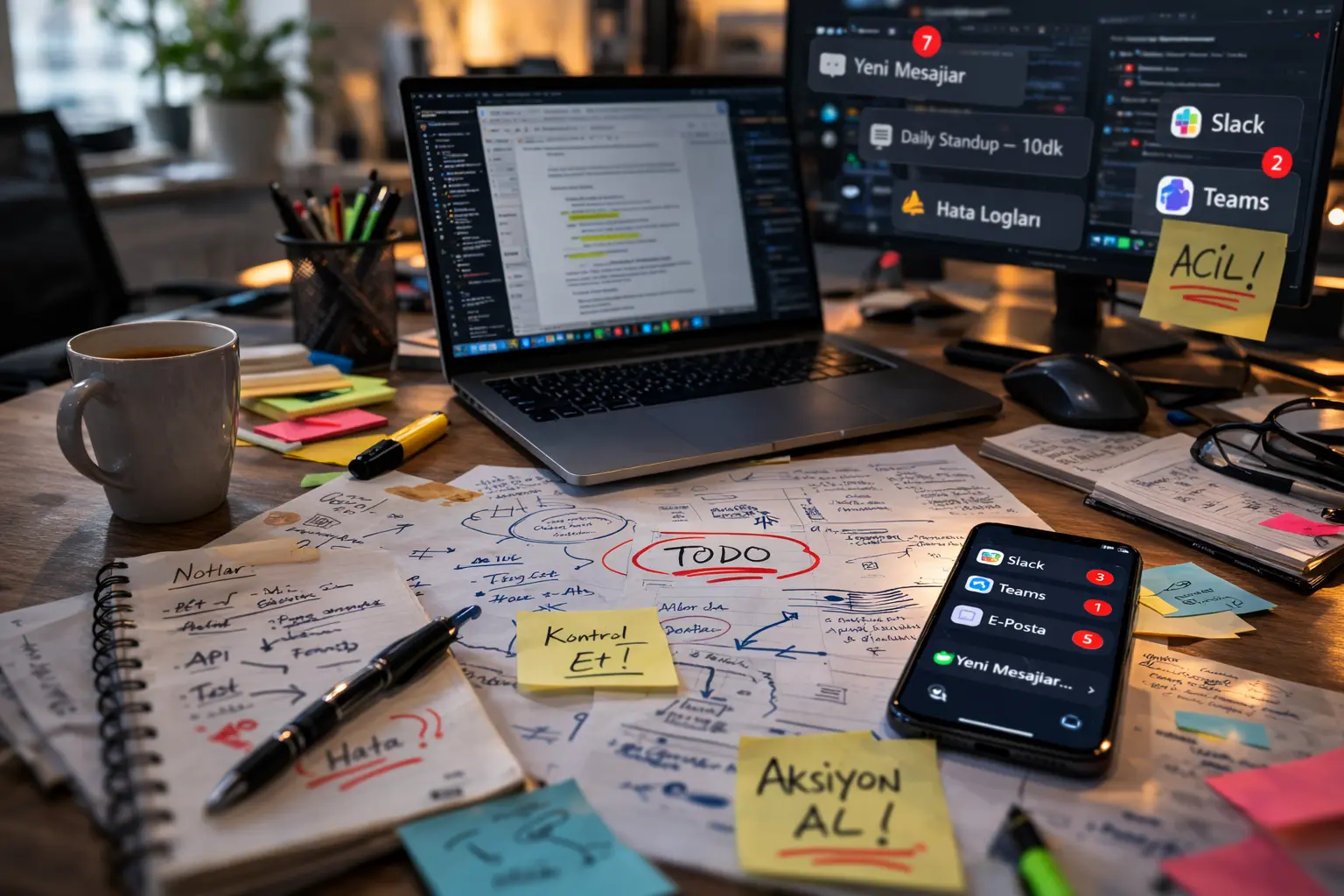
One of the most debated and often resisted topics in architectural offices is time-tracking. For many architects and designers, recording time minute-by-minute is seen as a bureaucratic burden that kills creativity, creates a sense of micro-management, and shifts focus away from the actual work. On the other hand, for office owners, "time" is the primary product being sold, and not knowing where this resource is spent makes profitability a gamble.
Is a middle ground possible? Instead of using staff like "stopwatches," can we build a delivery-oriented tracking system based on visible task lists? Alios offers exactly this: a pragmatic approach to measuring progress rather than minutes. Here is how to end the time-tracking chaos in architecture with Alios.

1. The Micro-Measurement Fallacy: Why Minutes Are Misleading
Traditional "timesheets" in architectural offices usually face three major problems:
A. Data Accuracy: Architects often fill out time forms at the end of the week based on retrospective guesses. These forms reflect what "should" have been done rather than reality.
B. Creative Stress: Design is not linear. An idea might strike in 10 minutes, but drawing it may take 10 hours. Measuring by the minute creates stress instead of "deep work" focus.
C. Output vs. Duration: Working 8 hours on a sheet doesn't mean it's finished or high quality. What matters is the status of the "Node" (task) delivered at the end of that period.
2. The Alios Approach: Visible Task Lists & Delivery-Oriented Tracking
Alios treats time as an active progress indicator rather than a passive stopwatch.
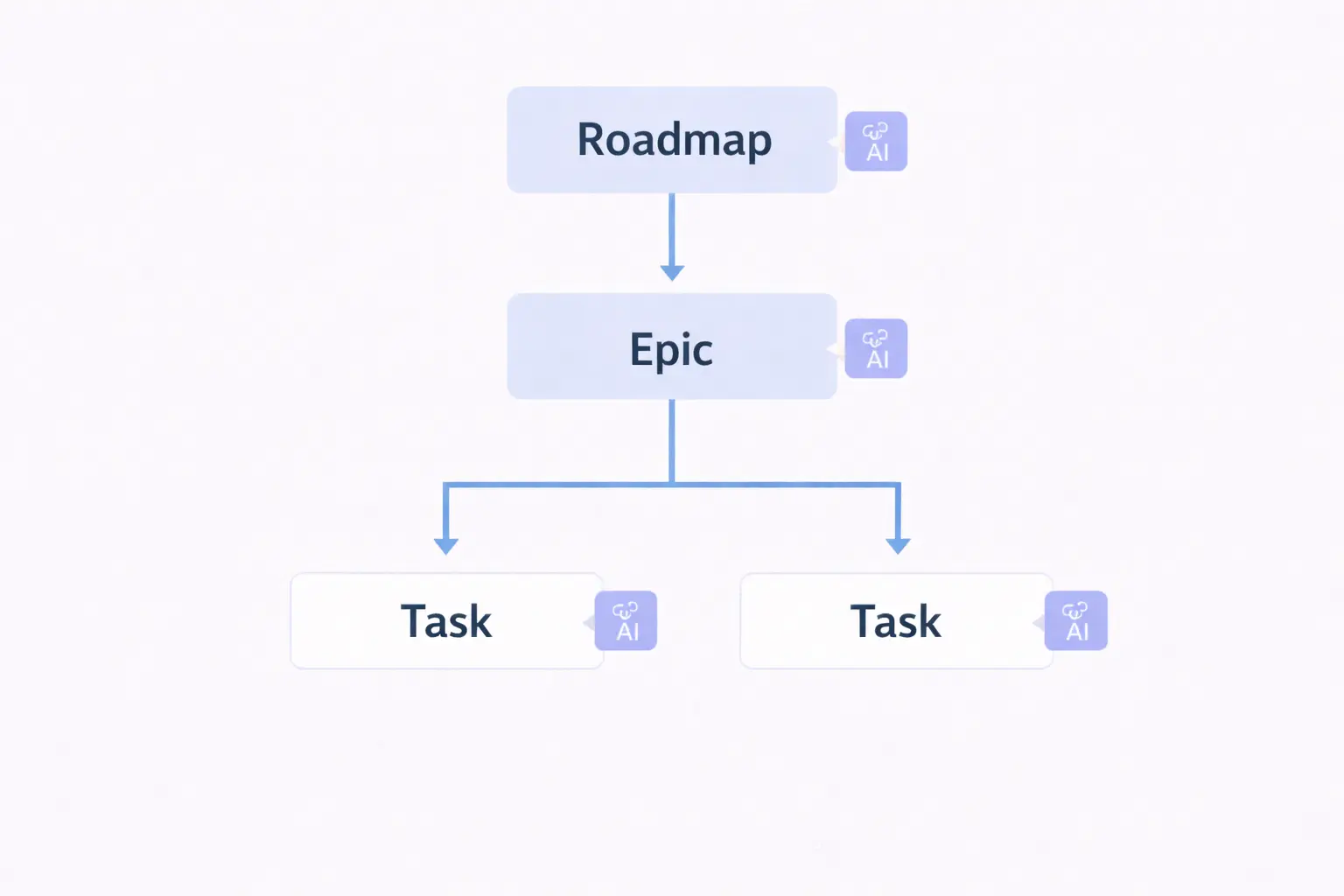
A. "Node-Based" Effort Estimation: Every project is divided into manageable Nodes. Each node gets an "Estimated Time" (e.g., 4 hours). The architect doesn't start a clock; they simply move the node to Done when finished.
B. Transparent Workload View: To understand staff capacity, you don't need timesheets. The Alios Dashboard shows who has how many "Open Nodes." If an architect has 60 hours of work piled up for the week, it's a visible bottleneck that needs immediate intervention.
C. "Progress" (Status) Oriented Measurement: In Alios, if a task stays in "In Progress" for more than 3 days, it triggers a productivity alarm. The question shifts from "How many hours did you work?" to "What is stopping you?"
3. A 3-Step Protocol for Simple Effort Tracking
Step 1: Atomic Tasks: Instead of huge tasks like "Draw Construction Plans," create nodes with clear outputs like "First Floor Plan Revision."
Step 2: Ownership & Deadlines: Every node must have an owner and a due date. Staff see exactly what "deliverables" are expected of them in their "My Tasks" list.
Step 3: Daily Status Updates: The team only needs to drag finished work to Done or leave comments on blocked tasks. This keeps the pulse of the office without the manager ever asking, "Where are we at?"
4. Why This Approach is More Profitable
Reduced Overhead: Administrative time spent chasing timesheets disappears.
Boosted Morale: It sends a message: "I care about your results, not your minutes."
Rapid Intervention: You realize a job will be late 48 hours before the deadline via "stagnant node" warnings, avoiding last-minute shocks.
Conclusion: In Architecture, Time is Measured by Delivery
Time tracking should be a navigation tool, not a policing activity. Alios provides this visibility in the simplest way possible. Simplify your processes, make outputs visible, and watch your office culture transform.