Article
AEC Client Reporting: Automate Weekly Status via Alios Nodes
Weekly Client Reporting: End the uncertainty. Alios turns project data into transparent status reports, tracking completed Nodes, pending approvals, and schedule risks.

Reporting for Architectural Offices: How to Prepare a Weekly Status Report for Clients
Architecture is not just about designing aesthetic buildings; it is about managing a complex journey. From design to construction, thousands of decisions are made and dozens of disciplines (structural, mechanical, electrical, etc.) are coordinated. In this intense process, a client’s biggest fear is "losing control" or "not knowing the project's status."
Communication gaps create "distrust," regardless of technical quality. Alios transforms reporting from a manual data-entry burden into a natural output of your living project. Here is the art of transparent reporting and how to automate it with Alios.

1. Why a Weekly Report? Building Trust
Reporting is a trust-renewal mechanism. It serves three core purposes:
A. Filling the Information Vacuum: For a client, "silence" means "nothing is happening." A weekly report proves the office is working hard, reducing "Status?" calls by 70%.
B. Accelerating Approvals: Reports consolidate pending items (materials, plan revisions, etc.), keeping the project timeline on track.
C. Legal & Financial Protection: It provides a chronological record of who approved what and when, preventing future disputes.
2. The 5 Components of an Ideal Weekly Report
I. Project Health Summary (Executive Summary): A high-level overview. Is the schedule ahead or behind? Is the budget on track? (Status: Green, Yellow, or Red).
II. Completed "Nodes" (Milestones): A list of what was achieved last week (e.g., "Basement details finalized," "Permit pre-approval received").
III. Current Status & Ongoing Work: Focus on the "In Progress" nodes on Alios to show what the team is currently tackling.
IV. Critical Risks & Blockers (Help Needed): Highlight obstacles honestly. (e.g., "Pending marble selection is delaying bathroom details").
V. Roadmap for Next Week: A list of goals for the next 7 days to show you are in control.
3. Automating with Alios: From Manual to Instant
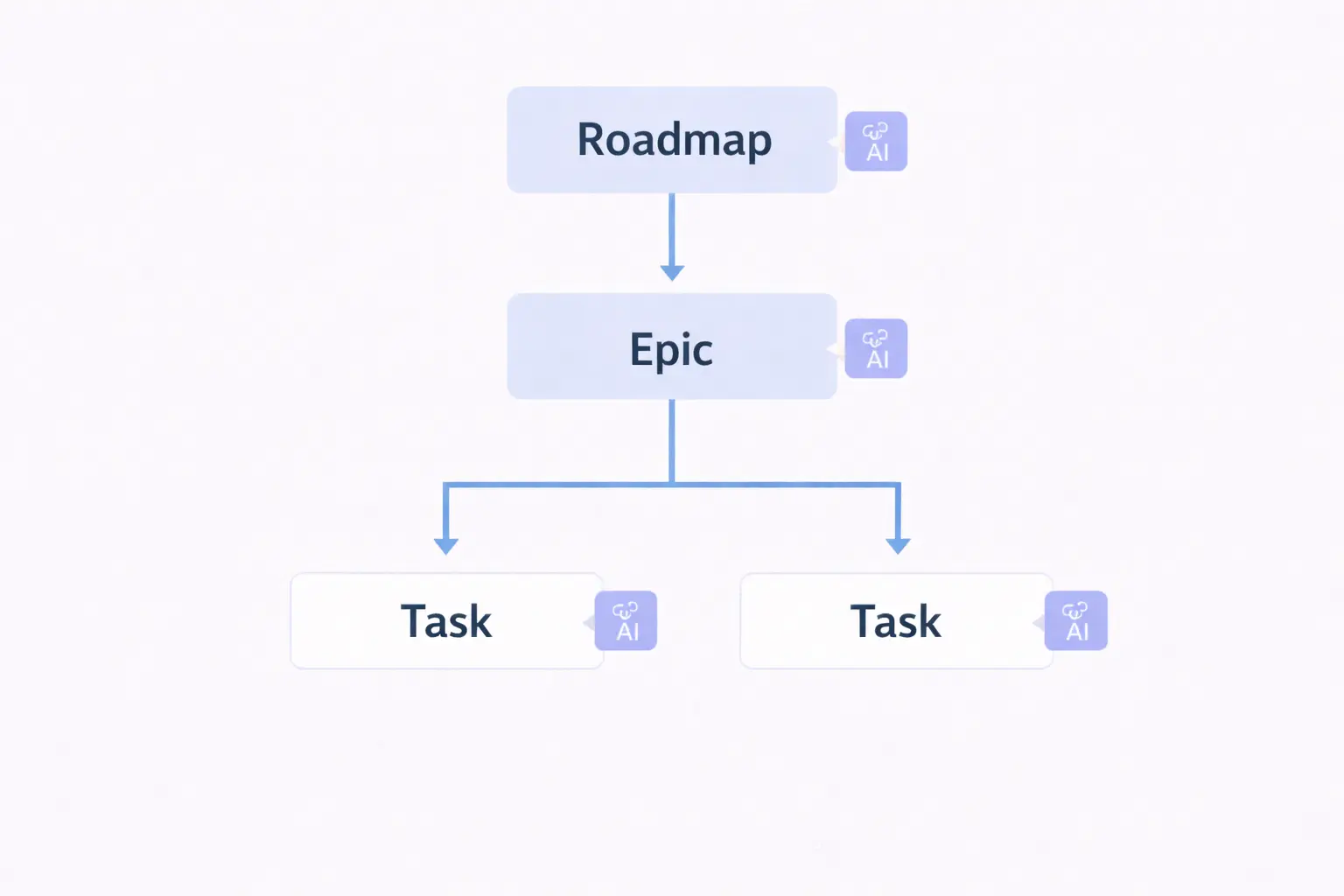
Live Dashboard Sharing: Instead of PDFs, grant clients "Guest Access" on Alios. They can view the Node Tree and see exactly who is holding up a task in real-time.
Automatic Progress Logs: Since Alios logs every status change, you can generate a list of "Completed Nodes" for any given week with one click.
Delay Impact Analysis: If a client delays a decision, Alios automatically calculates how much the final Deadline shifts, encouraging more disciplined decision-making.
4. Reporting Strategies by Client Type
Corporate/Investors: Focus on data, percentages, and risk analysis using Alios Dashboard metrics.
Private Residential: Be more visual. Include the latest renders or site photos uploaded to Alios.
Public Authorities: Focus on compliance, permit cycles, and technical correspondence logs.
Conclusion: Data-Driven Architectural Management
A weekly report is the document that represents the architect's authority over the project. By using the Node structure of Alios, you provide the transparent and measurable data that makes client trust unbreakable.