Article
AEC New Hire Onboarding: The 7-Day Checklist with Alios
New Hire Onboarding: Stop the first-week chaos. Alios provides a 7-day Node Tree checklist to teach office standards, file protocols, and workflows fast. Scale with ease.

Onboarding New Employees in Architectural Offices: The First 7 Days Checklist
Starting a new team member in an architectural office is often a stressful process for both the manager and the employee. Without a standardized system, a new architect typically spends their first week inefficiently navigating messy server folders, missing naming conventions, and stuck in a loop of "learning by asking." This represents both a loss of time and a risk of production errors.
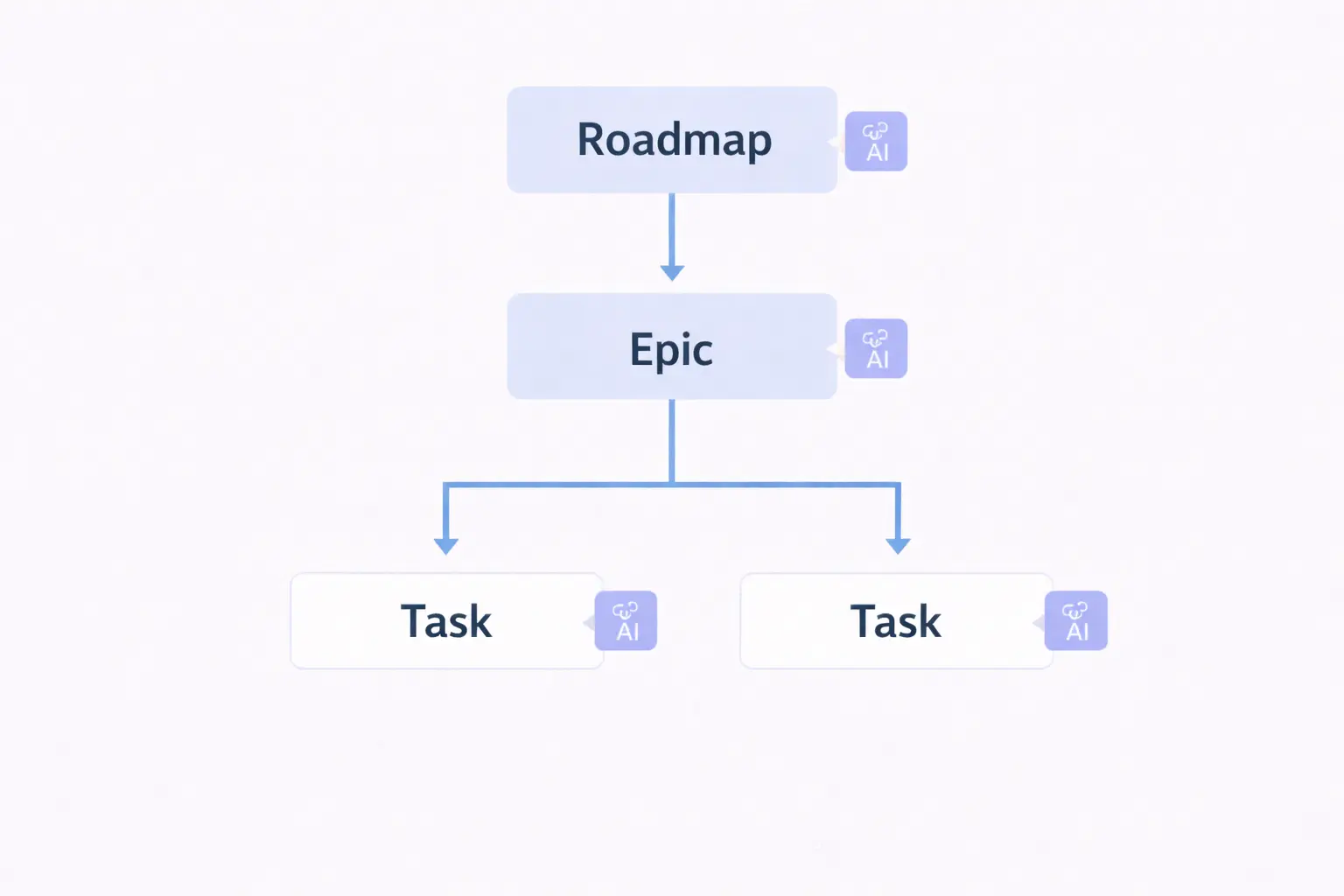
Effective management provides an "Operating System" to integrate talent into office standards. Alios transforms onboarding from a verbal narrative into a replicable and measurable Node Tree. Here is the strategy and checklist to make a new architect fully productive within 7 days.

1. Why You Need an Onboarding Template
In architecture, the "master-apprentice" relationship is valuable, but it is not enough at the speed of modern offices. A standardized template solves three critical issues:
A. Culture and Standard Shock: Every office has its own drawing language and layer organization. If learned through trial and error, extra hours are wasted fixing old projects.
B. Reducing Managerial Load: A new employee constantly asking questions distracts senior architects. A step-by-step guide on Alios allows them to find their own way.
C. Fast "Time-to-Value": With the right system, a new hire can start producing billable work by day three.
2. The "First 7 Days" Node Structure on Alios
An "Onboarding & Adaptation" master project is copied for every new hire. This is their roadmap:
Day 1: Technical Setup & Orientation
Node 1: Hardware and Software Setup (Revit, AutoCAD, Adobe CC licenses).
Node 2: Reading the Digital Office Handbook (Server structure, hours, communication channels).
Node 3: Alios Training (How to track tasks and update nodes).
Day 2: Standards & Archive Review
Node 1: Office Layer and Sheet Standards Test.
Node 2: "Golden Project" Review (Scanning the office's best construction document set from start to finish).
Node 3: File Naming Convention Protocol.
Day 3: The First "Small" Task (Shadowing & Doing)
Node 1: Completing a simple item from an existing project's revision list.
Node 2: Observing a senior architect’s active workflow on Alios.
Day 4-5: Project Integration
Node 1: Reading the brief and historical nodes of the assigned main project.
Node 2: First independent technical drawing or modeling task.
Node 3: First file submission for internal review.
Day 6-7: Feedback & Full Competency
Node 1: First-week evaluation meeting.
Node 2: Identifying remaining technical training needs.
Node 3: Creating the next week's task plan (My Tasks).
3. Advantages of Standardizing with Alios
Copy-Paste Operation: Simply duplicate the "Onboarding Master" template. All links, videos, and checklists are ready.
Progress Tracking: Managers see exactly which nodes are completed. No need to ask, "Did they read the standards?"
Personalized Learning: If an employee is weak in structural details, a specific "Technical Detail Training" node can be added to their week.
4. Five "Life-Saving" Checklist Items
[ ] I understand the 01_DRAFT and 05_FINAL folder rules on the server.
[ ] I used the office standard pen settings (CTB) in my drawings.
[ ] I matched revision clouds and dating systems with Alios notes.
[ ] I kept external references (Xrefs) in the correct relative paths.
[ ] I updated my node statuses on Alios at the end of every day.
Conclusion: A Good Start Means a Flawless Delivery
The first 7 days determine the future quality of an architect's work. Instead of throwing them into uncertainty, providing a clear roadmap on Alios boosts motivation and protects technical quality.