Article
AEC Meeting Template: From Agenda to Action with Alios
Weekly Meetings: Stop wasting time. Alios turns meeting decisions into trackable Nodes with owners and deadlines. Transform talk into action and sync your entire office.

Weekly Meeting Template for Architecture Offices: Seamless Flow from Agenda to Action Tracking
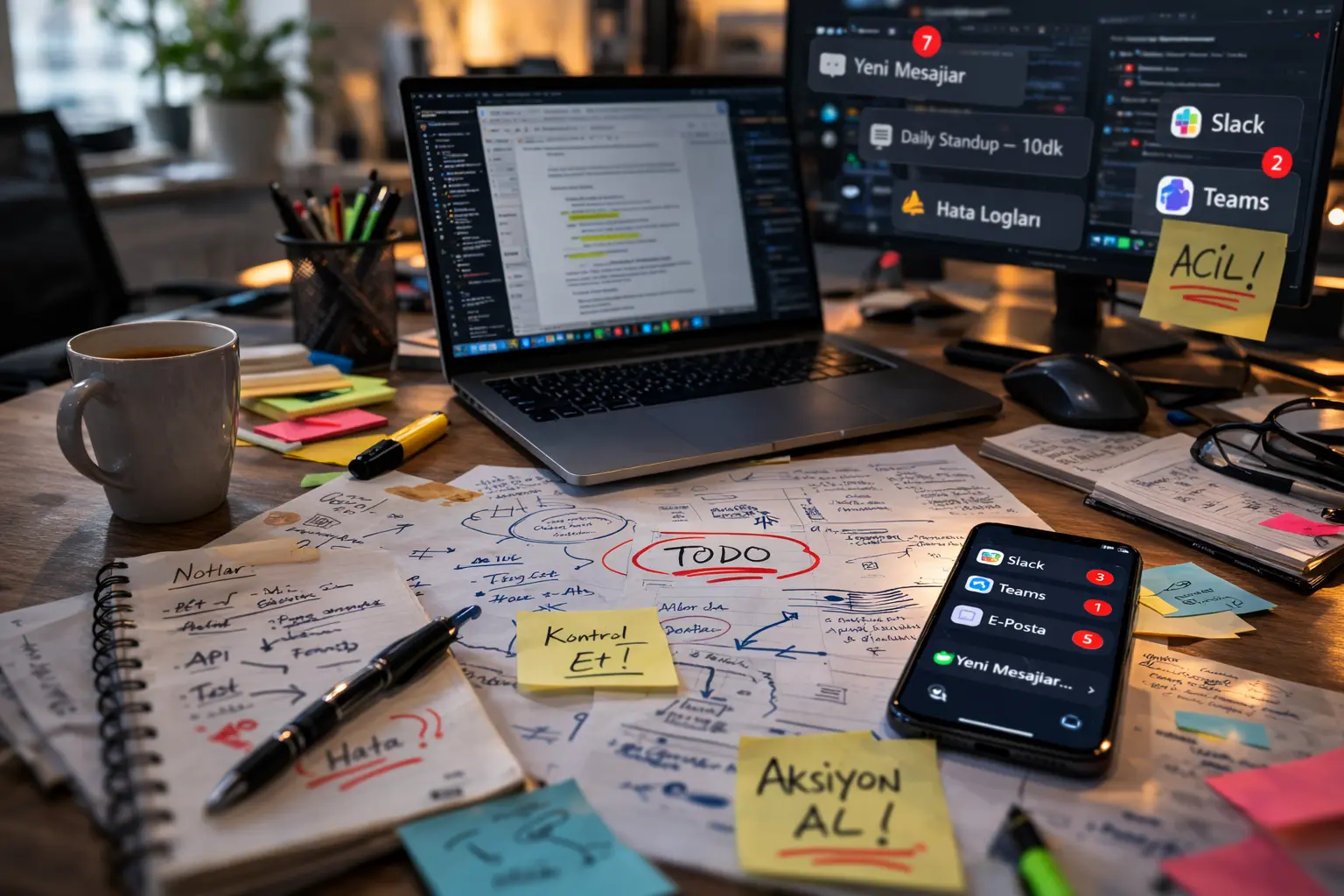
In architecture and engineering offices, weekly coordination meetings are the heart of operations. However, for many firms, these meetings have turned into "time black holes" that drain profitability. Meetings either drown in technical details and last for hours or disperse after merely giving a "status report" without a single concrete decision. Once the meeting ends, the team returns to their desks; yet the question of who will perform which revision, based on what criteria, and by when, remains hanging in the air.
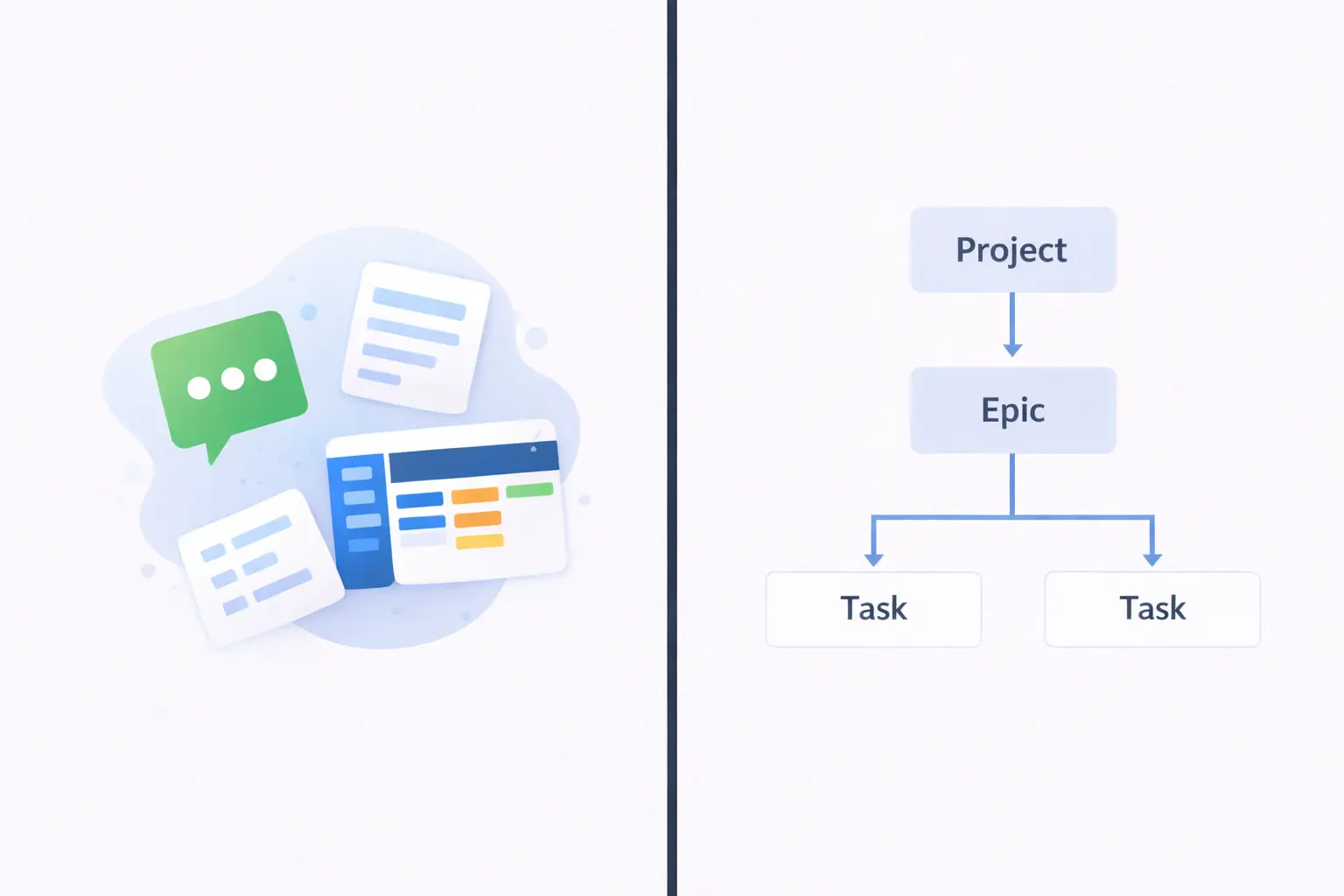
Discussing the same topics with the same uncertainty in the next meeting is the first signal of operational bankruptcy. Alios rescues meeting outputs from fleeting notes and personal agendas, transforming them into living and trackable Actions (Nodes). Here is the professional meeting and action management guide to discipline your meetings, strengthen corporate memory, and automate the tracking of every decision made.

1. Pre-Meeting: Preparation and Dynamic Agenda Setting
The efficiency of a meeting is determined in the 24 hours before entering the room. A meeting without an agenda is like a ship without a rudder. A recurring "Weekly Coordination & Risk Analysis" node should be set up on Alios for every week.
A. "Blocker" Notifications: Before the meeting, all discipline leads (architectural, structural, mechanical) add comments under the node regarding issues that are stalling their processes.
Example: "Foundation plan cannot be drawn because structural calculations have not arrived."
B. Standardization of Agenda Items: A weekly meeting template must include these 4 main headings:
Last Week's Review: Reasons for unresolved actions.
Critical Deliverables: Drawings to be sent to the client or municipality this week.
Interdisciplinary Clashes: Alignment of design with engineering data.
Client Feedback: New requests emerging from the latest interactions.
2. During the Meeting: Decision-Oriented Moderation and Live Recording
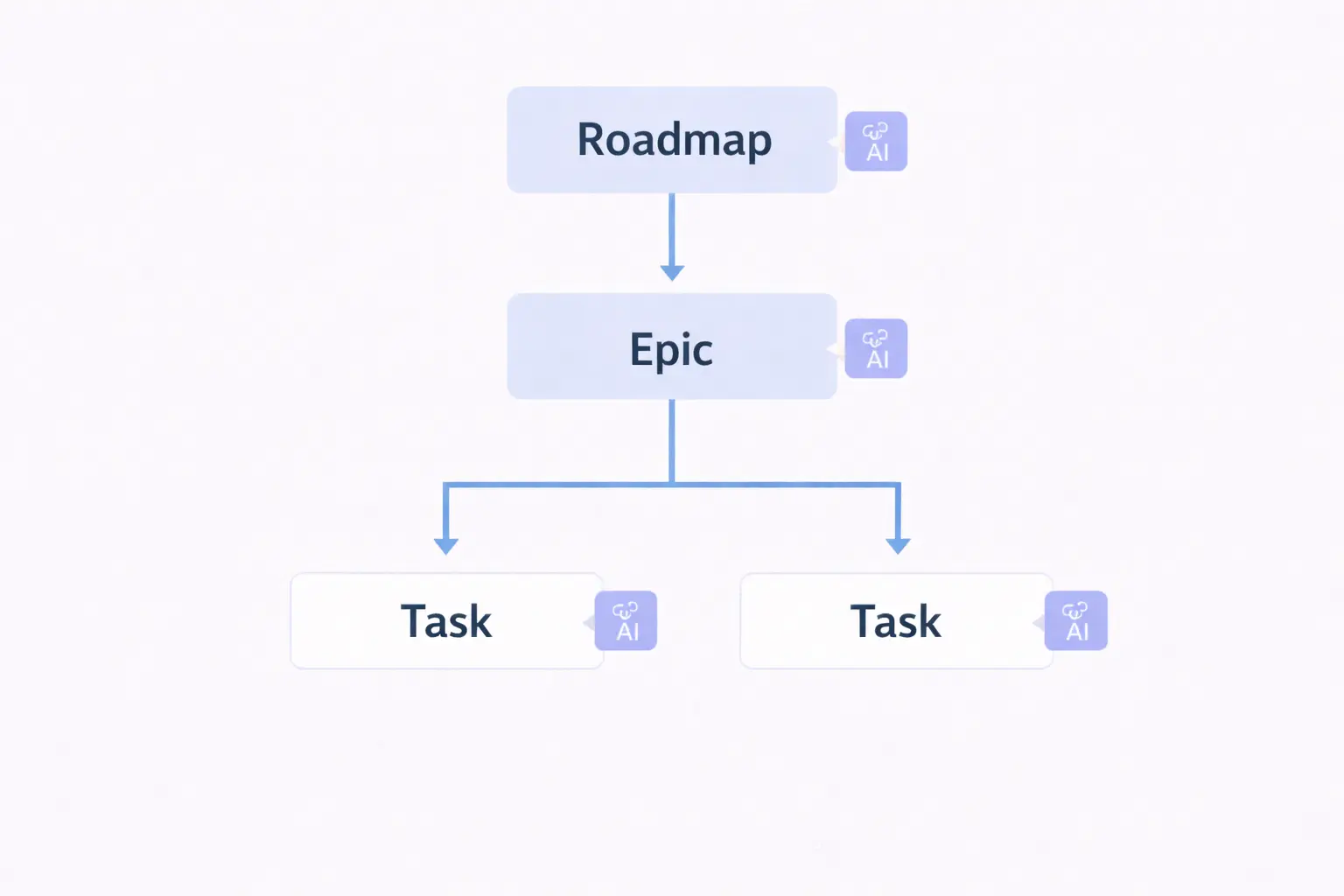
Every important decision discussed during the meeting must not remain just a "conversation." The meeting manager manages the Alios Node Tree live on a large screen.
A. Dynamic Action Creation: The moment a decision is made (e.g., "Ground floor ceiling height will be set to 3.20m"), a new sub-node is opened under the relevant project's implementation node.
Format:
[ACTION] - Ground Floor Section RevisionLinking: This action is linked directly by referencing the "Client Request" node.
B. Record the Decision, Not the Discussion: Meeting notes are not a diary. On Alios, only the "Decision" and "Action" are recorded. Data like "Person A said this, Person B objected to that" is noise. The data entered into the system should be: "Ceiling height change finalized, structural team notified."
3. Post-Meeting: Turning Outputs into "Living Work"
The moment the meeting ends, the system should have produced a "Battle Plan," not just a "Meeting Minute." An action output on Alios is considered "not to be done" unless it includes these 4 components:
Owner: Who will do the work? (Architect Sarah)
Deadline: When will it be finished? (Wednesday 17:00)
Context: Which node is it related to? (Level 1 Construction Documents)
Definition of Done: How will we know it’s finished? (When the PDF is uploaded to the approved folder)
4. Three Golden Rules of Action Tracking in Alios
To ensure actions don't get lost and the "I didn't know" excuse disappears, these 3 mechanisms are activated:
I. Assignment and Notifications: The moment a node is assigned, the person's Alios Dashboard updates their "New Tasks" list.
II. Status Flow: Actions are followed through: Not Started -> In Progress -> Review -> Done.
III. Dashboarding: Project managers monitor the "Weekly Meeting Performance" screen to see instantly how many of the 20 decisions have moved to Done.
5. Efficiency Analysis: Are Meetings Actually Working?
With Alios analytics, you can measure your office's "meeting profitability":
Action Completion Rate: What percentage of decisions are closed before the week ends?
Recurring Issues: How many meetings in a row does the same node appear? (If a topic isn't closed for 3 weeks, there is a structural problem).
Individual Workload: Which team member is receiving the most "unexpected" load from meetings?
Conclusion: Seamless Data Flow from Meeting Room to Site
In architecture and engineering, time is the most valuable capital, and inefficient meetings are where it is wasted most. Alios transforms your meetings from "wishful thinking" sessions into operation centers where clear actions are planned and tracked. When every decision has an owner, a date, and a place in the Alios tree, communication accidents are minimized.