Article
Managing AIPR Review Bottlenecks with Alios REVIEW/WAKLIYOG Guide
AI speeds up coding but slows down reviews. Learn how to use Alios statuses, 24-hour SLAs, and audit checklists to manage high-velocity Pull Requests.
Breaking the PR Review Bottleneck: Managing High-Velocity AI Output with Alios (REVIEW/WAKLIYOG)
The software development industry has entered the "Hyper-Velocity Era." With the mass adoption of AI-driven coding assistants—such as Cursor, GitHub Copilot, and Claude—the fundamental constraint of software engineering has shifted. For decades, the bottleneck was writing code. Today, writing code has become the easiest part of the job.
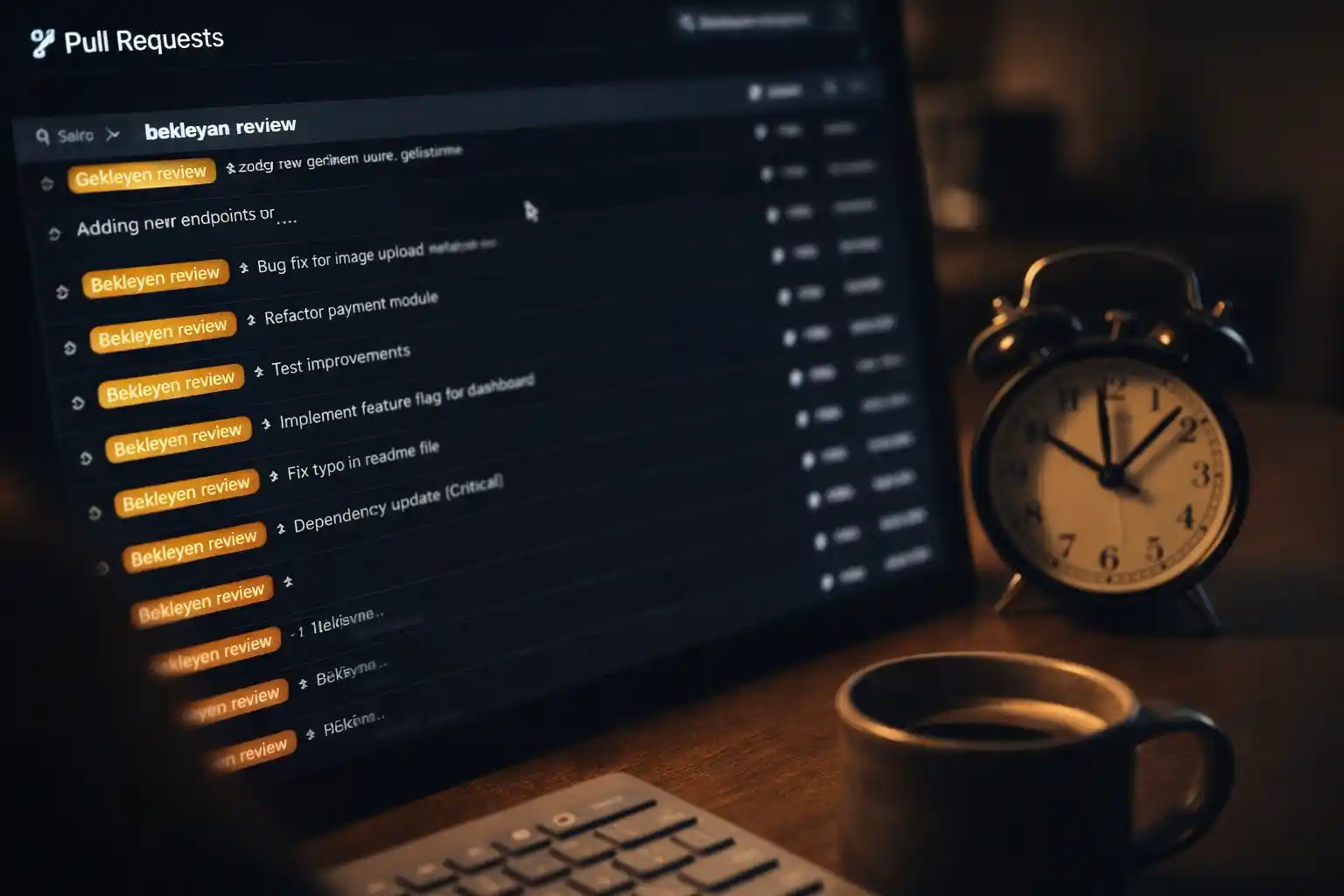
The new, more dangerous bottleneck is Review and Validation. While an AI can help a developer generate five Pull Requests (PRs) in a single morning, the human capacity to review, test, and merge that code remains fixed. This discrepancy leads to the "PR Review Bottleneck," where code sits in limbo, technical debt accumulates, and project momentum grinds to a halt.
To solve this, we must treat the review process not as an afterthought, but as a core pillar of the project's Digital Spine. In Alios, we manage this through high-visibility statuses, strict SLAs, and standardized audit checklists.
1. The Crisis: Why AI Velocity is Killing Your Reviews
When your team starts using AI, the volume of Pull Requests typically increases by 300% to 500%. This creates three critical failures in traditional project management:
The Senior Developer Trap: Senior engineers and tech leads are usually the primary reviewers. If they are suddenly hit with 15 PRs a day instead of 3, they stop coding entirely and spend 100% of their time reading AI-generated code.
The "Looks Good To Me" (LGTM) Fallacy: Under pressure, reviewers may start skimming. AI-generated code often looks structurally perfect but can contain subtle "hallucinations," security flaws, or architectural deviations that are hard to spot without deep focus.
Invisible Deadlocks: In tools like Slack or standard Jira lists, it’s hard to see which PR is urgent, which is stalled, and which is waiting for a simple fix. Projects lose days simply because a developer didn't realize their PR was rejected.
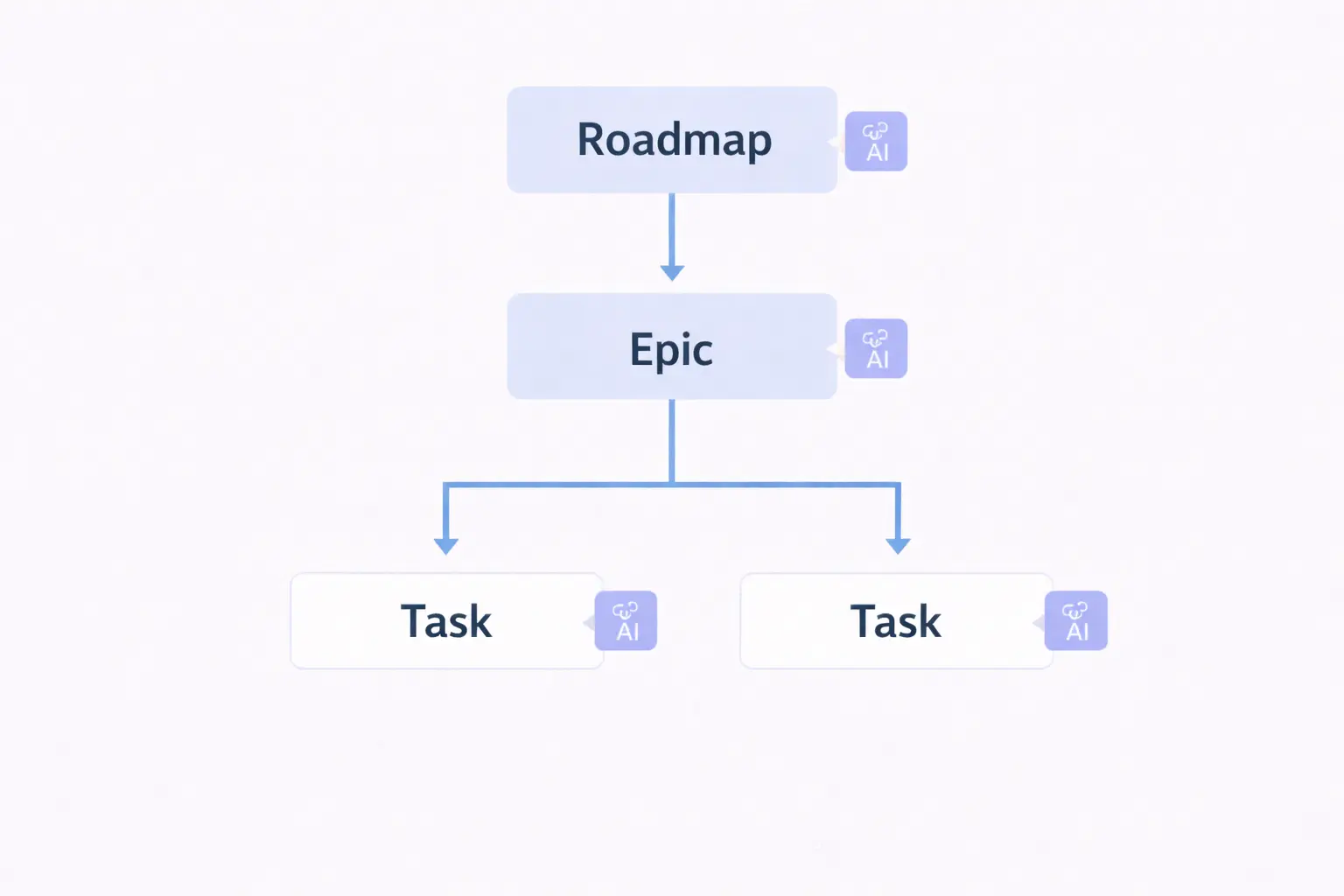
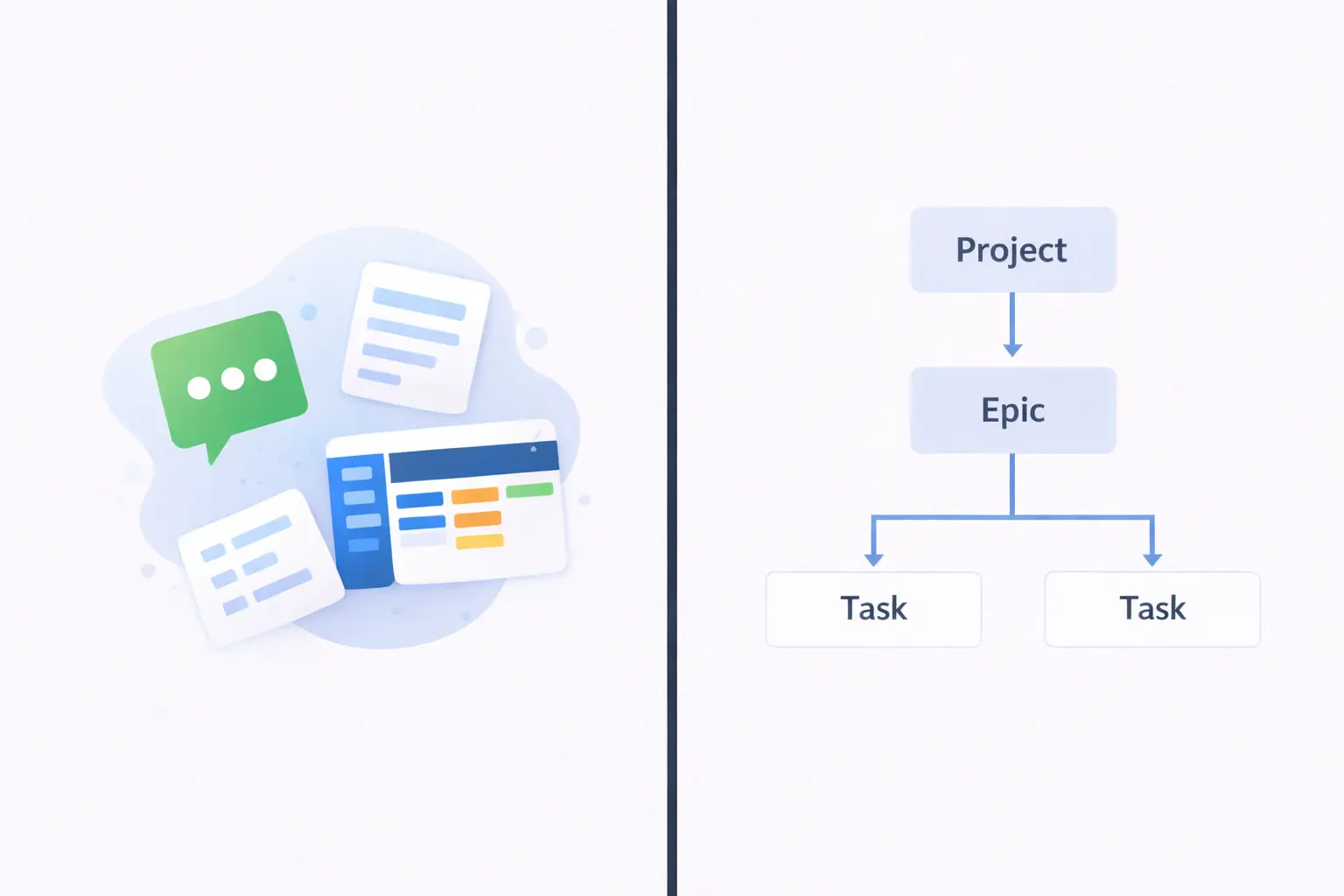
Alios transforms this "invisible pile of work" into a transparent, actionable Tree View where every review task is a node with a heartbeat.
2. Structural Visibility: REVIEW vs. WAKLIYOG (Waiting)
In Alios, we use two specific statuses to manage the review cycle. This ensures the "Digital Spine" of the project never bends under the weight of unapproved code.
A. The REVIEW Status (Human Audit Required)
When a developer finishes their task using AI, they move the node to REVIEW.
The Signal: On the Alios Dashboard, "REVIEW" nodes are highlighted to signify that the "Motor" (Development) has finished and the "Brakes" (Validation) must now engage.
Ownership: The Captain (Owner) remains the developer, but an Assignee (Reviewer) is tagged. This makes it clear that the ball is in the reviewer's court.
B. The WAKLIYOG Status (Revision Required)
If the reviewer finds an issue, they don't just leave a comment on GitHub and forget about it. They move the Alios node to WAKLIYOG.
The Blocker Note: The reviewer must add a comment: "WAKLIYOG - @developer, logic error in line 42; please refactor for performance."
The Benefit: This instantly tells the Project Manager why the task isn't "Done." It separates "Waiting for Review" from "Waiting for Fixes," preventing the team from guessing where the bottleneck lies.
3. The 24-Hour SLA: Keeping the Spine Straight
High-velocity AI teams cannot afford 3-day review cycles. If code sits for too long, the context is lost, and merge conflicts become inevitable. To solve this, Alios teams implement a Service Level Agreement (SLA).
The 24-Hour Review Rule: Every node in REVIEW must be addressed within 24 hours. It must either be moved to DONE (Approved) or moved to WAKLIYOG (Requested Changes).
How Alios Enforces This:
Dashboard Alerts: Managers can filter for "Nodes in REVIEW > 24 Hours."
Priority Heatmap: Critical bugs in REVIEW are color-coded red, ensuring they are audited before low-priority feature tweaks.
4. Standardizing Quality: The AI-Audit Checklist
Reviewing AI-generated code is different from reviewing human code. AI tends to be overly verbose or may use deprecated libraries. To ensure consistency, every REVIEW Node in Alios should include this checklist in its description:
[ ] AI Hallucination Check: Does the code call functions or libraries that don't actually exist in our stack?
[ ] Architectural Compliance: Does this follow our ADR (Architectural Decision Record)?
[ ] Security Scan: Has the AI accidentally exposed environment variables or created SQL injection risks?
[ ] Performance Audit: Did the AI choose the most efficient algorithm, or did it take a "lazy" path?
[ ] Human Context: Does the code solve the actual business problem, or just the prompt?
5. Example Team Rule Set: "Review First, Code Second"
To maintain momentum, successful Alios teams adopt the following "Rules of Engagement":
Morning Audit: The first hour of every day (e.g., 09:00 - 10:00) is dedicated to reviewing nodes in the REVIEW status. No one starts new coding tasks until the review queue is clear.
No "Ghosting": If you request changes, you must move the node to WAKLIYOG. Leaving a node in REVIEW while it actually needs fixes is considered a data error in the Digital Spine.
PR Limits: No developer can have more than 3 nodes in REVIEW at once. If they hit the limit, they must stop coding and help review their teammates' work.
Finality: Once a node moves to DONE, the Captain is responsible for the immediate merge and deployment.
6. Conclusion: The Alios Competitive Advantage
In the AI era, the winner is not the team that writes the most code, but the team that ships the most code. By using Alios to manage the REVIEW/WAKLIYOG cycle, you eliminate the "hidden delays" that kill modern projects.
You turn a chaotic pile of Pull Requests into a disciplined, high-speed assembly line where every decision is documented, every bottleneck is visible, and "Done" actually means Done.