Article
Managing Agency Revisions: The WAITING Approval Flow with Alios
End the approval bottleneck. Learn how to use Alios's WAITING and REVIEW statuses to track client feedback, maintain quality, and turn revisions into corporate memory.
Managing Agency Revisions and Approvals: The WAITING Workflow
The biggest paradox in the agency world is the gap between the speed of production and the slowness of approval. A designer can prepare a creative visual in 2 hours; however, getting that work "live" often takes days or even weeks. In agency operations, projects usually don't get stuck during production; they get trapped in the gears of approval mechanisms.
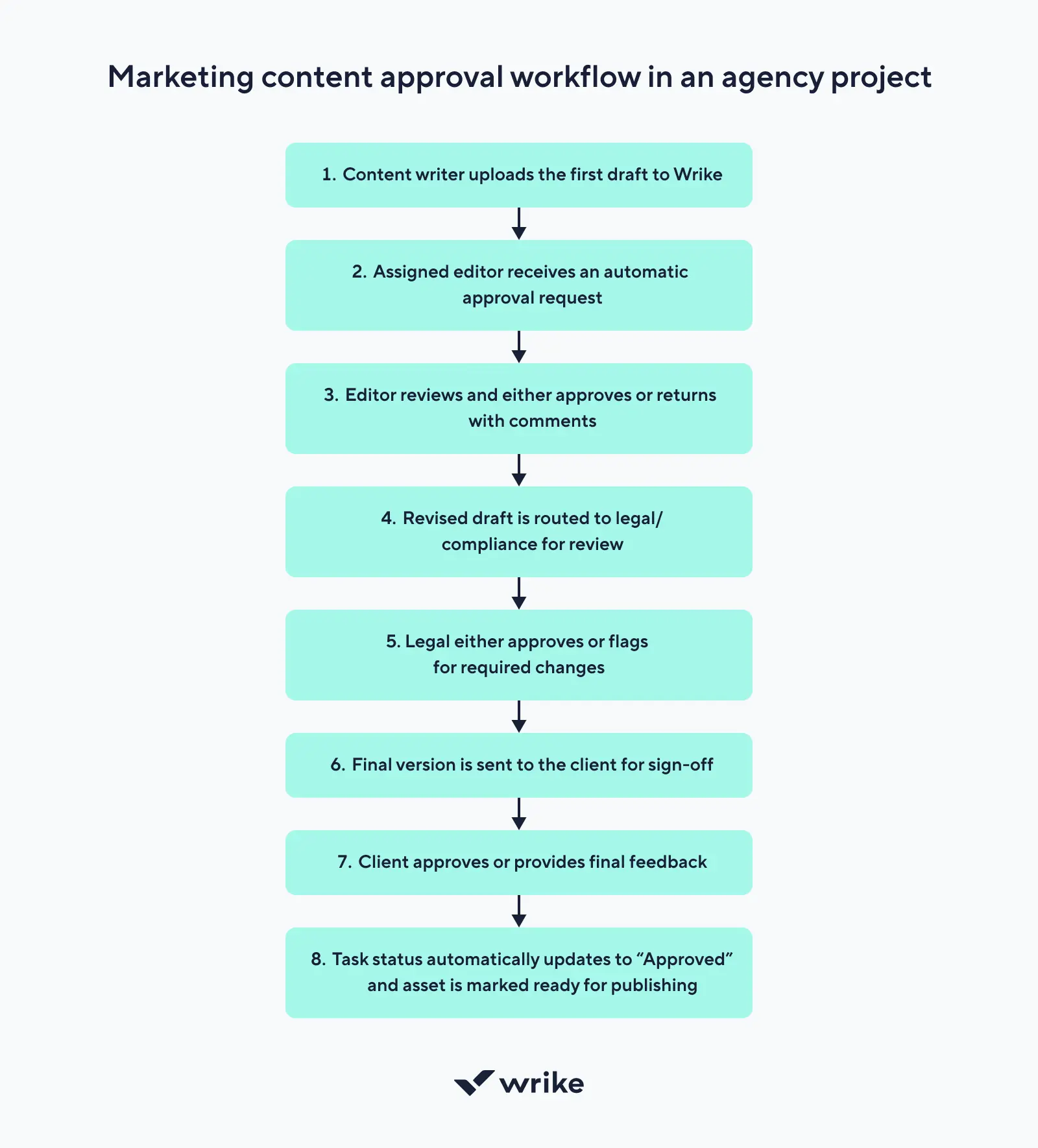
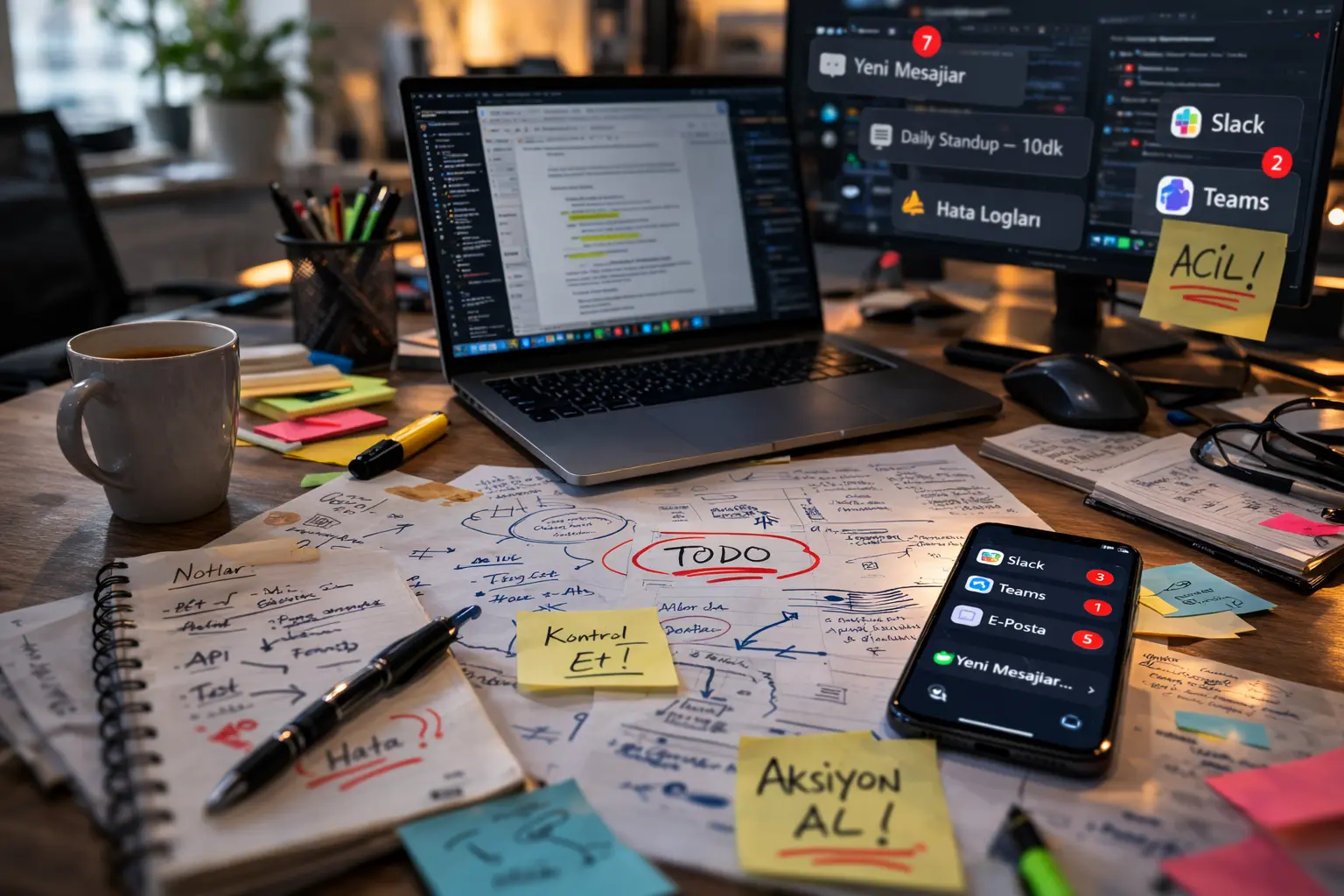
The design is ready, content is revised, the campaign setup is complete—but the process hits a single invisible wall: "Waiting for client approval." In this stage of uncertainty, chaos begins. No one knows which revision stage a task is in, and client feedback gets lost in WhatsApp groups or email chains. The result? Doing the same job for the fifth time and a demoralized team. Alios offers a WAITING and REVIEW-based approval architecture to discipline this chaos.
1. Why Approval Processes Stall in Agencies
Delays in approval are not just about "neglect." They stem from deep operational deficiencies.
A. Invisibility of Pending Tasks
In many agencies, once the work is "done," the team closes it in their minds. But sending it to the client doesn't mean it's finished; it means its status has changed. If this work still looks like "To-Do" on the board, management fails at capacity planning. Lacking a WAITING status prevents the agency from seeing its true real-time workload.
B. Context Loss and Revision Chaos
When clients send feedback through unstructured channels (voice notes, WhatsApp), this info isn't linked to the task (Node). When the designer starts the revision 3 days later, they waste 15 minutes scanning chat histories to find what exactly the client wanted. This is a massive profit leak in every revision.
2. The Alios Workflow: REVIEW / WAITING Architecture
Alios eliminates this mess by splitting the workflow into two critical checkpoints. This is a transfer of responsibility.
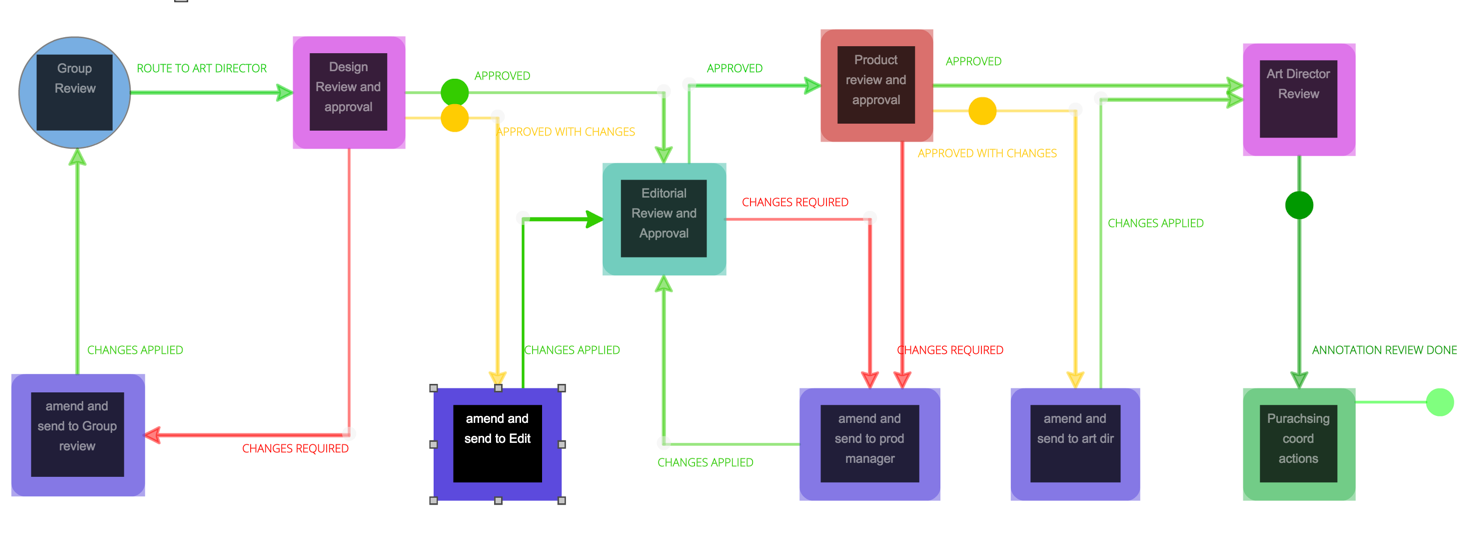
REVIEW Status (Internal QA): Work should never go directly to the client. The REVIEW stage is where the agency maintains its professional standards (Checking against the brief, typos, etc.). When a creator moves a node to "REVIEW," the manager gets an automatic notification.
WAITING Status (External Approval): Once internal QA passes, the task is moved to WAITING. This means "no active labor is being spent, but the task is being tracked." If 20 tasks are in WAITING, the bottleneck is in client management, not agency production.
3. Turning Revisions into Corporate Memory
The biggest mistake in revisions is that feedback is only "spoken." In Alios, every revision is a data entry point.
StageAlios StatusResponsibleProductionIn ProgressSpecialist / CreativeInternal ApprovalReviewProject ManagerExternal ApprovalWaitingClientRevisionRevision / To DoSpecialistFinalDoneSystem Archive
The Revision Log
Every Node in Alios carries its own comment history. When a client requests a change, it is logged under the Node. Six months later, you can answer "Why was this color chosen?" with "Per client request on March 12th." This is the agency's professional armor.
4. 3 Golden Rules to Cut Revision Time by 50%
Single Source of Truth: "The client messaged on WhatsApp" is not an excuse. Every comment from WhatsApp must be copied into the Alios task. If it's not in one place, it doesn't exist.
Status Integrity: Move the status immediately when work is sent. The WAITING status is essential for calculating the cost of "idle time."
Technical Specificity: Avoid abstract terms like "make it pop." Use technical data in Alios comments, such as "Update orange tone to #FF5733."
5. FAQ: Managing Approval Bottlenecks
Q: What if the client takes too long to approve?
A: Create an "Overdue in Waiting" list in Alios. Use this for weekly reminders. This shifts the "delay blame" from the agency back to the client.
Q: Should I open a new task for every revision?
A: No. It's better to revert the status of the existing task. This keeps the entire history of the work under a single heading.
6. Conclusion: Transparent Approval, Happy Client
The way to turn revisions from a "nightmare" into a "routine step" is to eliminate ambiguity. When every stage is visible on Alios, projects don't drag on unnecessarily. The REVIEW → WAITING → REVISION → DONE cycle is more than just a workflow; it's a shield protecting agency profitability.