Article
Manage AI Dependencies: Track Blockers with Alios WAKLIYOG Status
Stop invisible dependencies from slowing your AI team. Master Alios WAKLIYOG status, blocker notes, and risk routines to keep your project on track and ensure delivery.

Dependency Management in AI-Driven Product Development: Spotting Blockers Early with Alios WAKLIYOG (WAITING)
In the current era of software engineering, Artificial Intelligence has fundamentally shifted the baseline of individual productivity. With tools like Cursor, Claude, and GitHub Copilot, a single developer can now generate more code in a day than a small team could in a week just a few years ago. However, this explosion in "parallel production" has brought a dangerous, often fatal side effect to projects: Invisible Dependencies.

While AI can help you build five different modules simultaneously at lightning speed, it cannot account for the "human-in-the-loop" or "system-to-system" requirements that bridge these modules. When production moves fast but dependencies remain hidden, you don't get a finished product—you get a pile of 90%-complete tasks that cannot be integrated.
Alios, through its Digital Spine architecture, introduces the WAKLIYOG (Waiting) discipline to ensure these blockers are visualized the moment they occur, rather than at the end of the sprint.
1. The Paradox of AI Speed: Why Dependencies Go Dark
The fundamental issue with AI-assisted development is the Isolation of Output. AI is designed to finish the task right in front of it. It does not instinctively know that "Module A" cannot go live until "Stakeholder B" approves the legal copy or "Team C" opens the firewall.
The Illusion of Progress: A developer might feel they are 99% done because the AI wrote the code. But if that 1% involves a third-party API key that takes three days to arrive, the task is effectively 0% done in terms of shipping value.
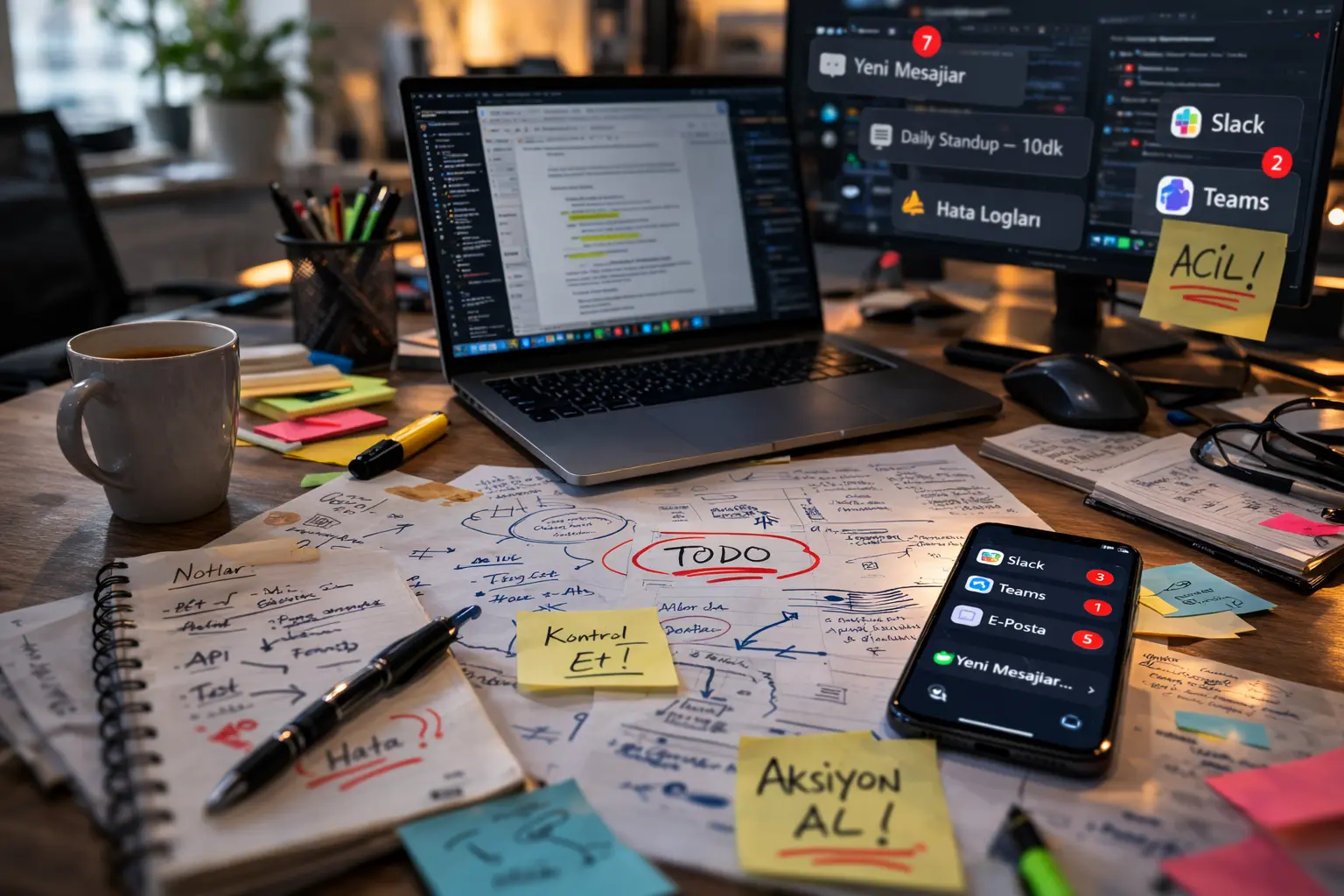
Context Fragmentation: Because everyone is "flying" with their own AI assistants, the communal touchpoints—where one person's output becomes another's input—often get neglected.
The Blocker Pile-up: Without a structural tracking system, these small delays accumulate quietly. By the final week of the project, the team realizes they have dozens of "nearly finished" tasks that are all waiting on each other in a circular deadlock.
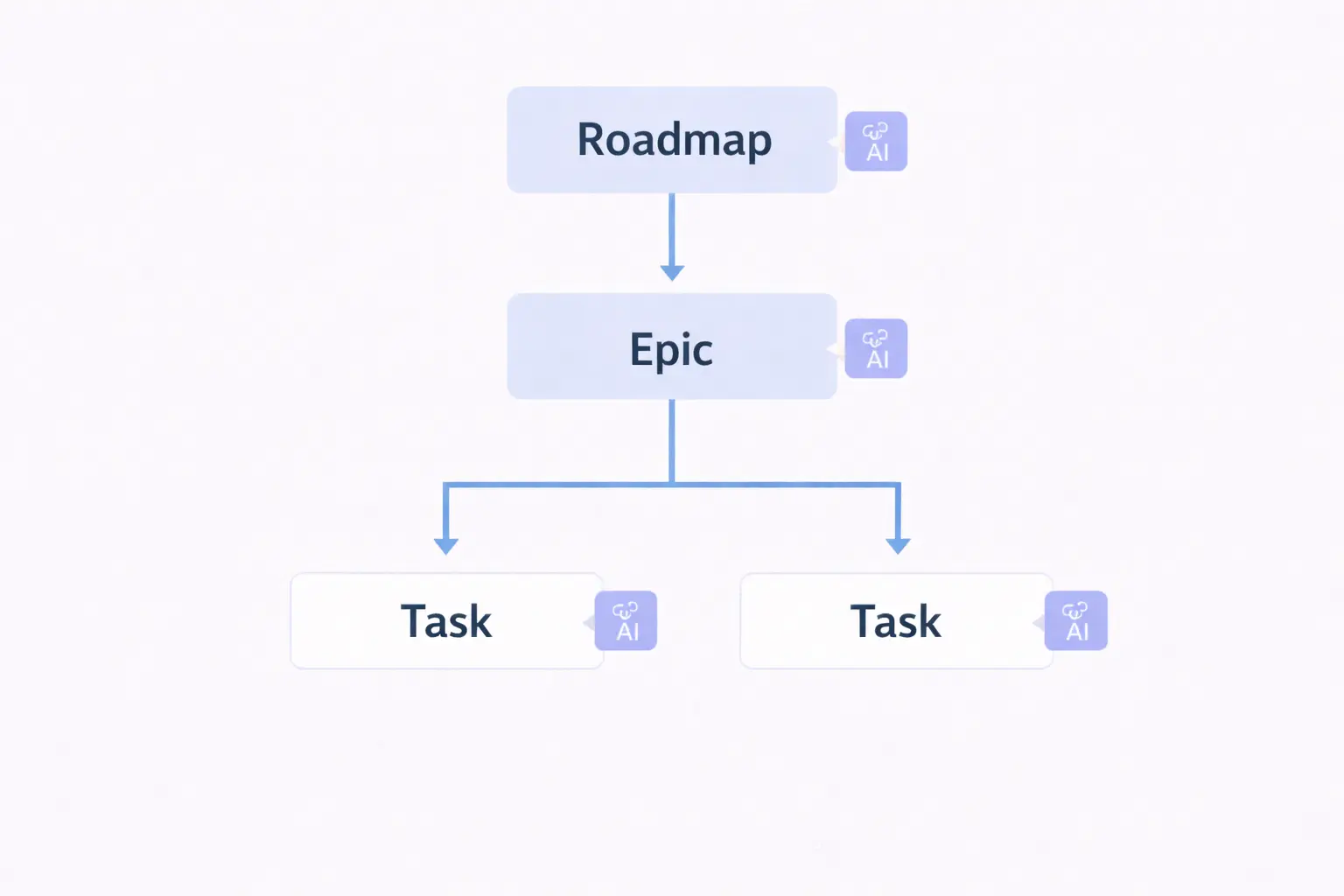
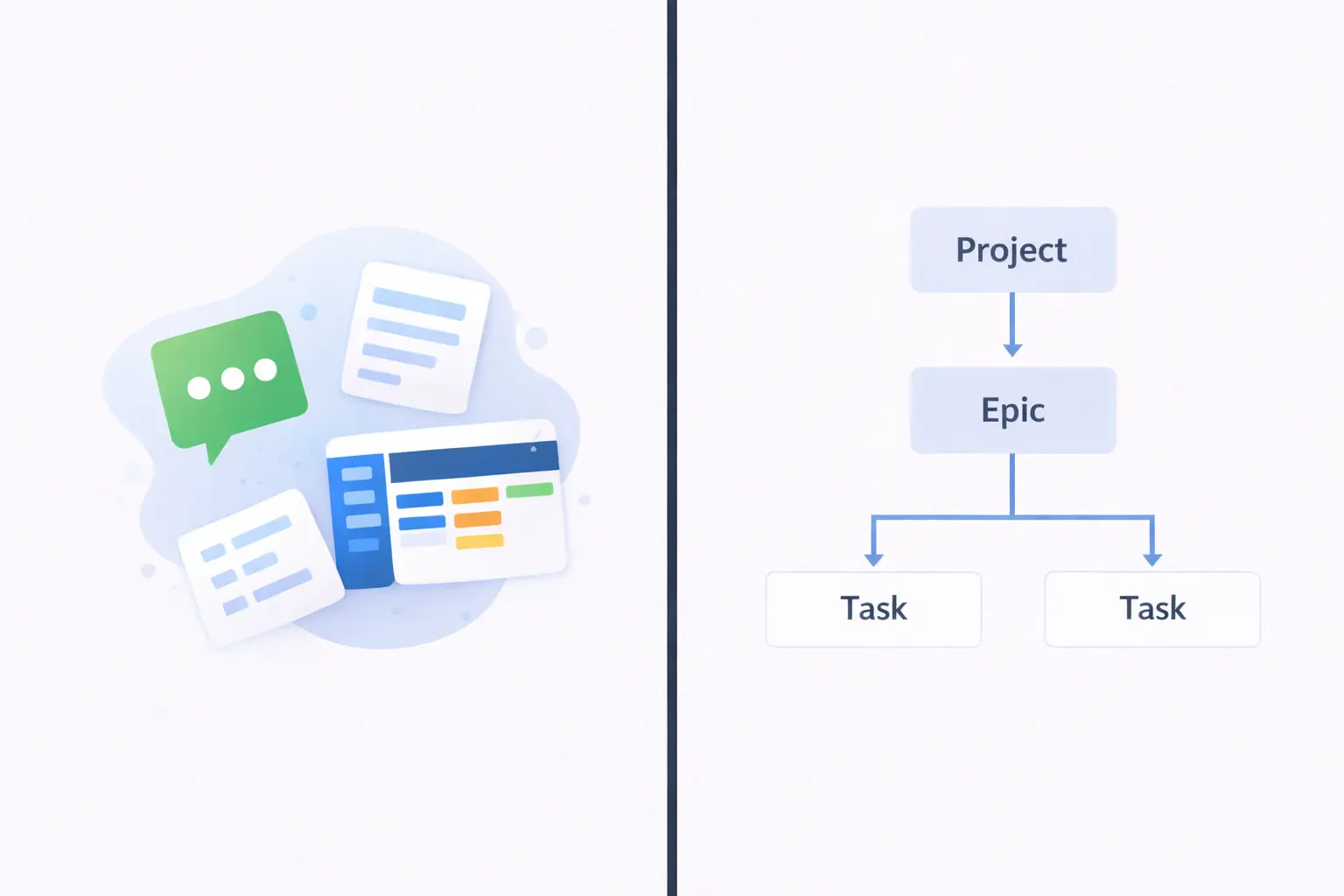
Alios solves this by moving dependency management out of the developer's head and into the Tree View (Work Tree), making every pause in momentum a visible data point.
2. The Alios "WAKLIYOG" (Waiting) Discipline
In Alios, a task status isn't just "In Progress" or "Done." The most critical status for project health is WAKLIYOG. This status should not be used when a task is dead; it should be used the moment the risk of a stall appears.
Step 1: Status Transition and the Blocker Note
The moment a Captain (Owner) hits an obstacle—or even senses one approaching—they must transition the Node status to WAKLIYOG.
The Mandatory Rule: Every transition to WAKLIYOG must be accompanied by a "Blocker Note" in the comments or description. It must answer: What is being waited for, and Who is responsible for clearing it?
The Alios Effect: This action immediately turns the Node red on the Dashboard. It signals a break in the "Digital Spine," alerting management that the predicted Termin (Deadline) is now under threat.
Step 2: Linking Dependent Nodes
In Alios, one job is often waiting on another Node within the same tree.
If
[TASK] Payment Integrationis stalled because it needs[TASK] API Key Provisioning, these two Nodes are linked via the @mention system or parent-child hierarchy.This creates a "dependency map." When a manager asks, "Why is the payment module stuck?" they can instantly see the link to the missing API key.
Step 3: The Weekly Risk Control Routine
To ensure the project doesn't drown in red Nodes, the leadership must perform a Weekly Health Check using the Alios Dashboard. The routine follows these three questions:
Which Node has been in WAKLIYOG the longest? (This is the epicenter of the project's friction).
Which Captain is currently blocking the most other Nodes? (This indicates a bottleneck person who needs more resources or a reduced workload).
Are the Blockers Internal or External? (Do we need to push our internal team, or do we need to call the client/vendor?).
3. Five Typical Blockers in AI-Driven Projects
When working at AI speed, these are the five most common scenarios that should trigger a WAKLIYOG status in Alios:
Missing Design Assets (Figma/UI): The AI can generate the functional skeleton of a frontend, but the developer is waiting for the final high-fidelity icons or specific brand colors from the design team.
Alios Note: "WAKLIYOG - Waiting for @Designer to finalize the modal export."
API Documentation Lag: The backend team has finished an endpoint using AI, but the documentation is not updated. The frontend team doesn't know the data structure to fetch.
Alios Note: "WAKLIYOG - Waiting for updated API docs from @Backend_Lead."
Third-Party Approvals: Waiting for account activations from platforms like Stripe, Apple Developer Program, or AWS quota increases.
Alios Note: "WAKLIYOG - Waiting for Apple Store Connect account verification."
Architectural Decisions (ADR): The AI suggests two different ways to handle database indexing. The developer is stuck until the Technical Lead decides on the long-term path.
Alios Note: "WAKLIYOG - Waiting for [ADR-012] decision on Postgres vs. NoSQL."
Review Bottlenecks (The QA Wall): Because AI produces code so fast, the "Review" status becomes a graveyard of pending pull requests.
Alios Note: "WAKLIYOG - Pending code review from @Senior_Dev; 5 tasks already in queue."
4. Conclusion: Managing Blockers is Managing the Project
In a project moving at the speed of AI, the greatest luxury is not "more code," but "earlier warnings." The Alios WAKLIYOG discipline instills a culture where stopping is not a failure, but failing to report the stop is.
By making dependencies visible on the Digital Spine, you stop gambling on your delivery dates and start managing them with data. When you clear a blocker in Alios, you aren't just finishing a task; you are restoring the flow of the entire organization.