Article
Incident Management: Simplify Your Production Error Process
Information chaos during incidents makes the crisis worse. Learn how to build a production incident management process in Alios with a node template, postmortem tracking.
Incident Management: Simplify Your Production Error Process
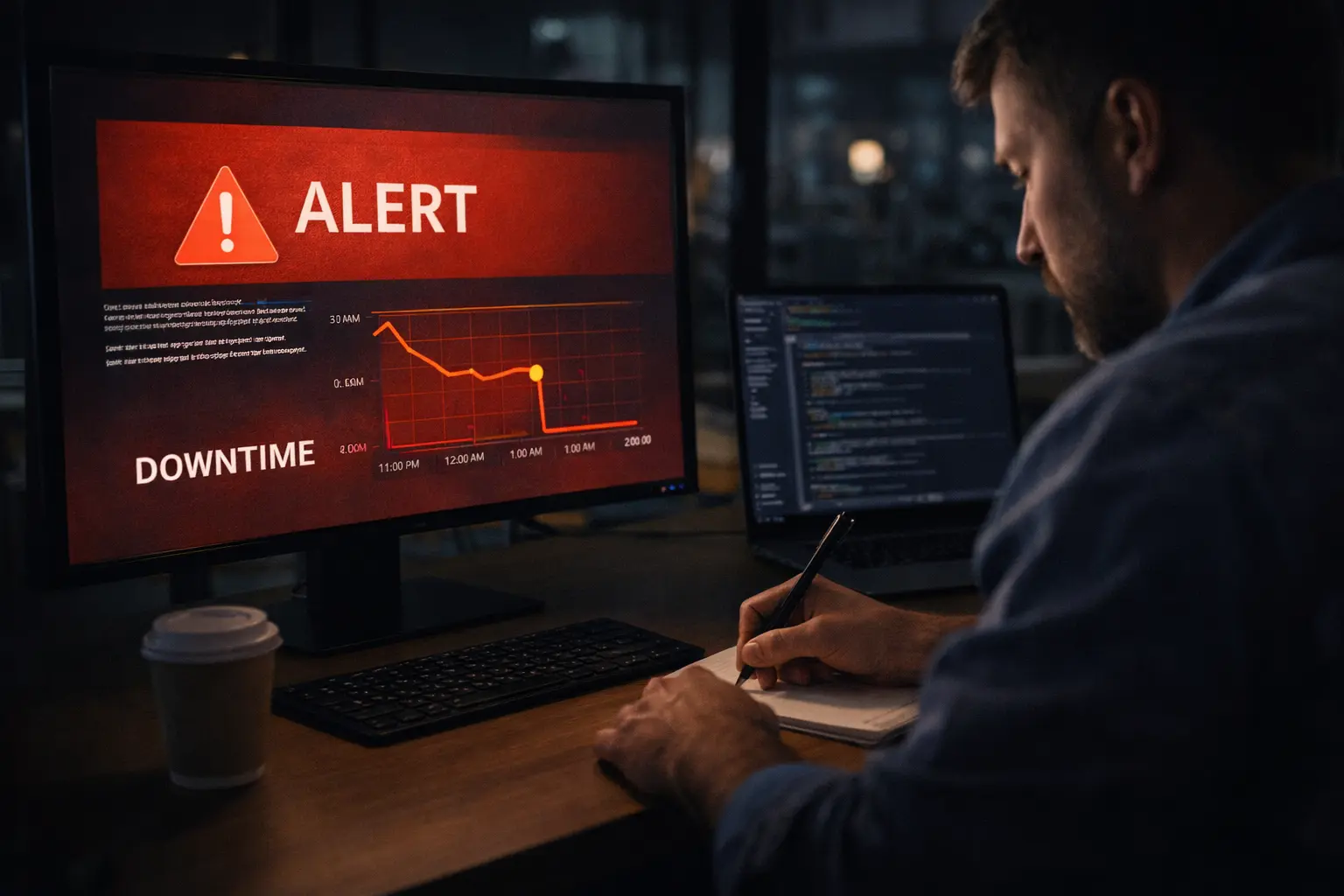
Something broke in production. In the first five minutes these questions arrive: Who knows? What broke? Who's looking at it? How long has it been like this? Are customers affected?
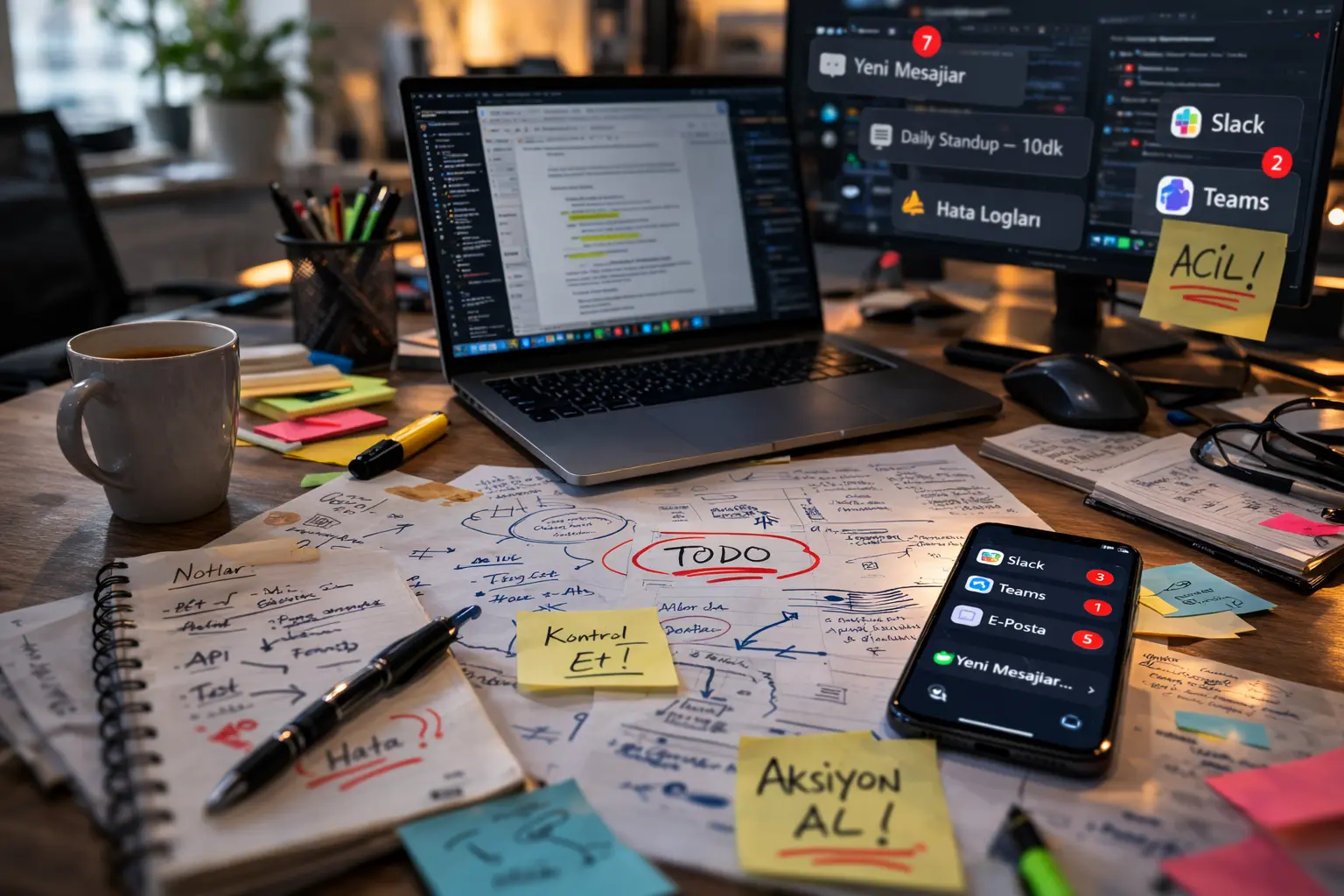
The answers to these questions scatter across different channels. Panic messages in Slack, phone calls, scrambling between screens. While the crisis is being managed, information coordination is also happening. Two jobs are running at once, both running badly.
Incident management isn't built during the crisis. It's built before the crisis. When an incident starts, the system needs to already be ready.
Why Information Scatters During an Incident
There are three sources of coordination problems in production incidents.
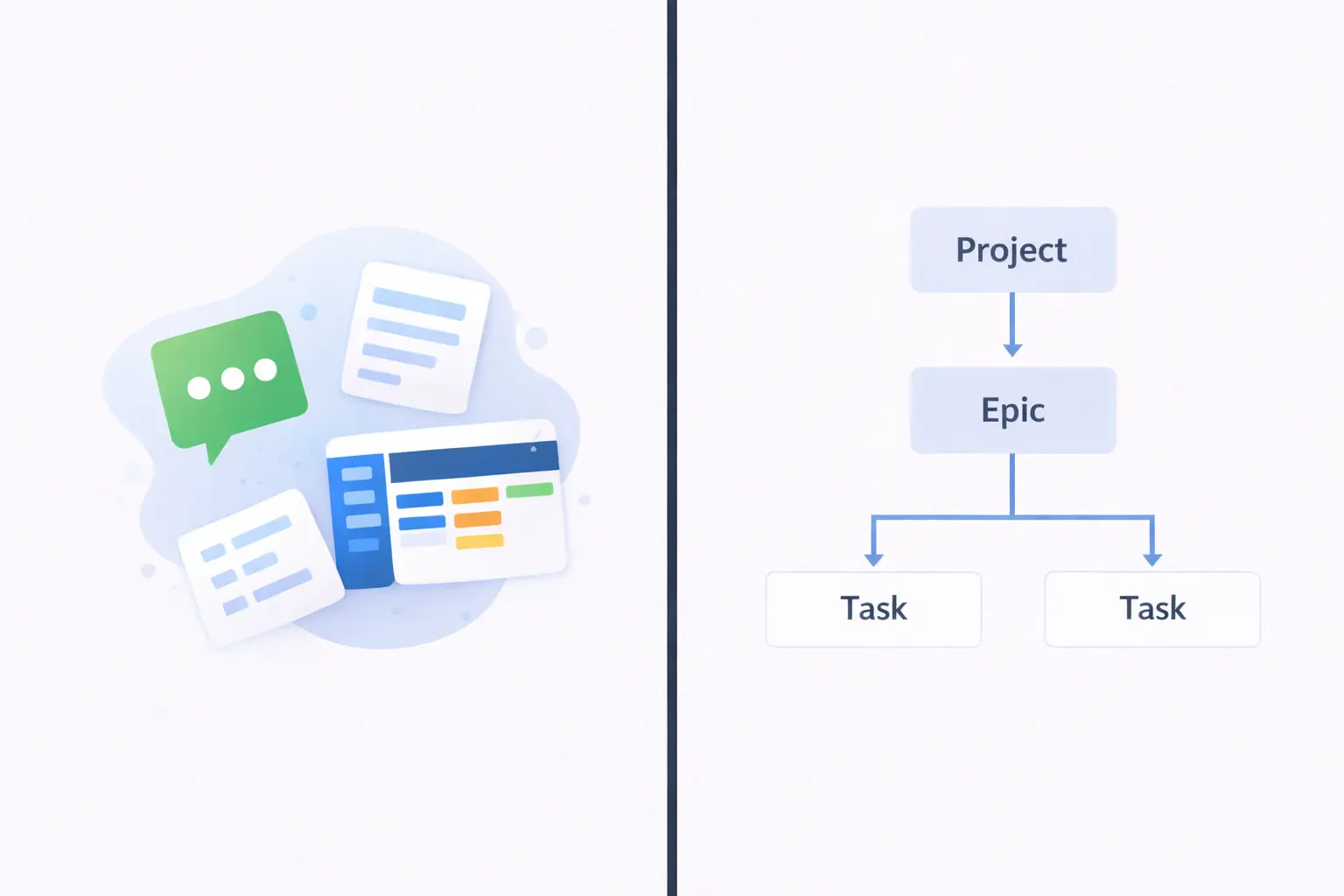
No single center. Information spreads across Slack, email, and phone calls. Who found what, who tried what, what changed when — all of this lives in different places. An hour later, the question "what exactly happened?" can't be answered.
Roles are unclear. During the crisis everyone is doing something, but who is the incident lead, who is responsible for communication, who is doing the technical investigation — none of this is clear. Overlaps happen, some things get done twice, some things don't get done at all.
The postmortem gets forgotten. The incident closed, everyone relaxed, normal life resumed. The postmortem went onto the "we'll write it this week" list and got forgotten. The same incident repeated three months later.
Incident Node Template in Alios
For every incident, a node gets opened immediately. This node is the single center throughout the incident — all information, all decisions, all timeline entries live here.
📌 INCIDENT — [Short description]
Status: Active / Resolved / Postmortem Pending
Priority: Critical / High
Start: [Date / Time]
Resolution: [Date / Time — filled when resolved]
Incident Lead: [Name]
Comms Owner: [Name]
Technical Lead: [Name]

─────────────────────────────

🔴 IMPACT

Affected system/feature: [What isn't working]
Estimated affected users: [Estimate]
Business impact: [Payments down / Login broken / etc.]
Severity: [ ] P1 — Full outage  [ ] P2 — Partial impact
           [ ] P3 — Degraded    [ ] P4 — Minor

📋 TIMELINE

[Time] — [What happened / what was noticed / who found it]
[Time] — [First response step]
[Time] — [Finding or hypothesis]
[Time] — [Solution attempted]
[Time] — [Solution found / applied]
[Time] — [System returned to normal]

🔧 ACTIONS

Active:
- [ ] [Action] — Owner: [Name] — Deadline: [Time]
- [ ] [Action] — Owner: [Name] — Deadline: [Time]

Completed:
- [x] [Action] — [Name] — [Time]

💬 COMMUNICATIONS

Customer notification: [ ] Sent — [Time]
Team update: [ ] Shared — [Time]
Status page: [ ] Updated — [Time]

🔍 ROOT CAUSE (filled when known)

Hypothesis: [What caused it — initial guess]
Confirmed root cause: [Proven cause]
Trigger: [Exactly what triggered it]
Using the Template During an Incident
The timeline field gets updated continuously. Every development, every solution attempted, every finding gets added with a timestamp. An hour later, the question "what happened when?" gets answered by looking at the node.
The actions field provides coordination. Who is doing what is visible, overlaps don't happen, no steps get missed.
Postmortem Tracking
After the incident closes, the node moves to "Postmortem Pending" status. Writing the postmortem within 48 hours becomes standard.
📋 POSTMORTEM — [Incident title]

SUMMARY
What happened, when, how it was resolved — 3-4 sentences.

IMPACT
Duration: [X hours Y minutes]
Affected users: [N]
Business impact: [Estimated]

ROOT CAUSE
[Confirmed root cause — with technical detail]

WHY WASN'T IT CAUGHT EARLIER?
[Why didn't monitoring alert, why did nobody see it]

WHY DID IT TAKE THIS LONG TO RESOLVE?
[Factors that extended the resolution time]

ACTION PLAN

Short term (this sprint):
- [ ] [Action] — Owner: [Name] — Deadline: [Date]

Medium term (this quarter):
- [ ] [Action] — Owner: [Name] — Deadline: [Date]

Long term (added to roadmap):
- [ ] [Action] — Node: [Related technical debt node]

LEARNING
[Most important thing the team learned from this incident]
[What will be done differently next time]
Postmortem actions get opened as separate nodes and tracked. The question "was the action taken?" gets answered by looking at the postmortem node.
Final Thought
Incident management can't be built in the moment of crisis. The template needs to be ready in advance, roles defined in advance, the node ready to be opened in advance.
The incident node template in Alios provides this preparation. When a crisis starts, the only thing to do is copy the node and fill it in. Information doesn't scatter, coordination doesn't break down, the postmortem doesn't get forgotten.