Article
How to Manage Task Tracking in SMEs: Step-by-Step Guide
From opening tasks to the approval process, discover the most effective task-tracking method for SMEs. Learn how to digitize your operations using Alios.
How to Manage Task Tracking in SMEs: A Step-By-Step Guide to Operational Discipline
In many Small and Medium-sized Enterprises (SMEs), getting work done often relies on a combination of individual memory and constant verbal follow-ups. However, as the team grows and projects diversify, the "I thought you were doing that" or "I forgot to check my emails" excuses start to drain profitability. True efficiency requires a system where communication doesn't just "happen"—it lives at the core of the work itself.
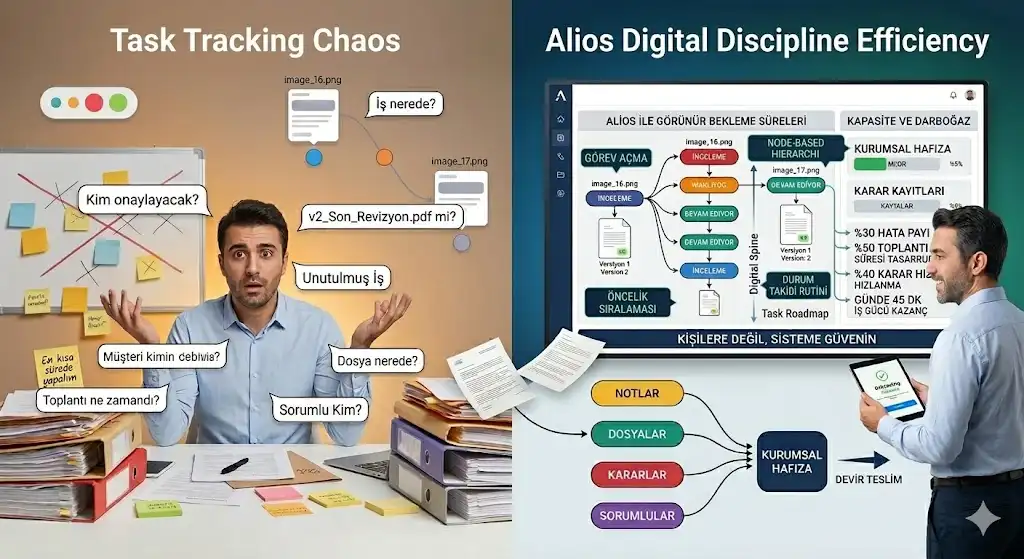
Most SME owners find themselves asking, "Do I have to track everything myself?" The answer is no. With a proper task-tracking routine, the system monitors itself. Using the Alios methodology, here is a step-by-step guide to establishing professional task-tracking discipline:
Step 1: Defining the Task "Correcting" (Creating the Node)
The biggest failure in task tracking is a lack of clarity. A vague request like "Look into that client issue" is not a task; it is an ambiguity.
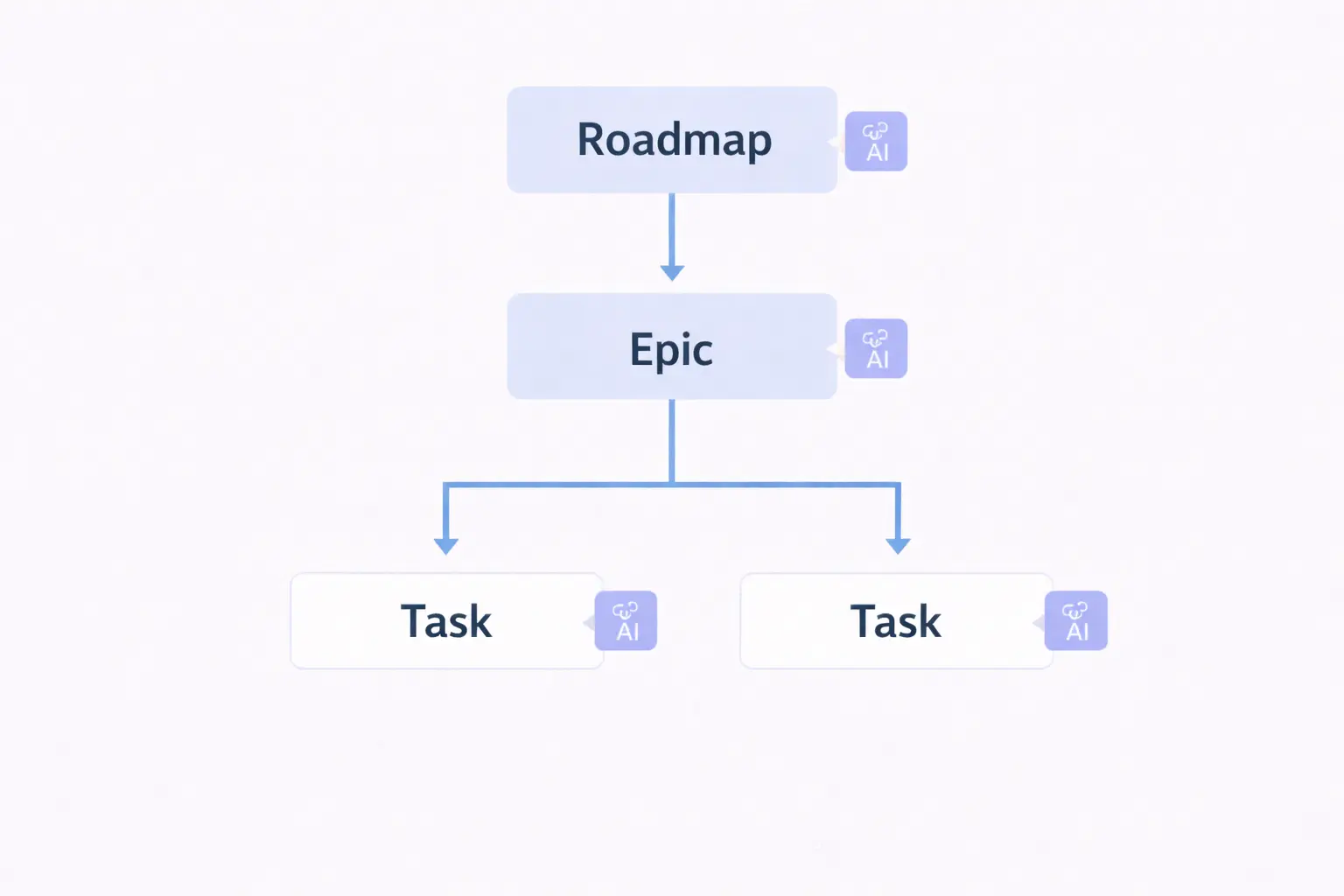
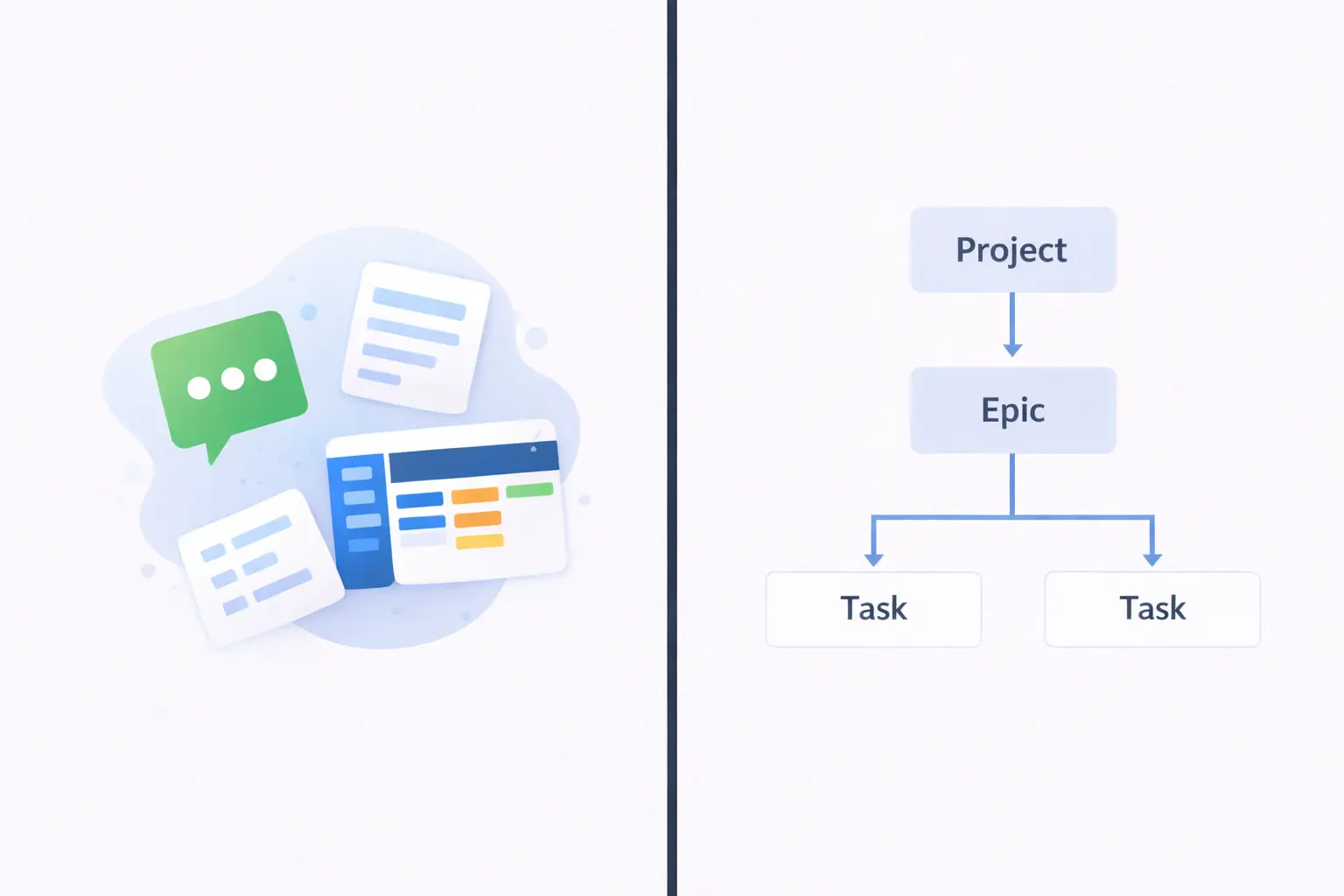
The Node Structure: In Alios, every task is a Node. When opening a task, you must include these three elements:
A Clear Title: Instead of "Client Proposal," use "ABC Corp - March 2026 Revised Proposal Preparation."
Detailed Description: Outline exactly what needs to be achieved and any specific constraints.
Relevant Documents: Upload drafts or previous correspondence directly into this Node. Information must never be separated from the task itself.
Step 2: Assigning Responsibility (Appointing the Captain)
The phrase "The team will look at this" is a guarantee that the work will not be done. In an SME, accountability must be individual.
The Single-Owner Principle: Every Node in Alios has one Captain (Assignee). While there may be "Collaborators" (helpers), there is only one person responsible for the final output.
Delegation of Authority: Once you assign the task, the Captain receives an instant notification. The ball is now in their court, and the responsibility is visible on their Dashboard.
Step 3: Prioritization and Deadlines (Termin Discipline)
In SMEs, every task is often labeled "Urgent," which effectively means nothing is urgent.
Termin (Deadline) Discipline: A task without a deadline stays on the "To-Do" list forever. Set realistic deadlines in Alios.
Order of Operations: Move the most critical tasks to the top. When an employee starts their day, they should see exactly what to do first on their Alios screen without having to ask.
Step 4: The Status Tracking Routine
If you have to call someone to ask for the status of a job, your system is failing. Alios’s statuses handle this communication silently:
IN PROGRESS: "I am working on it right now."
WAKLIYOG (Waiting): "Work has stopped because I am waiting for someone/something." (This is where the manager needs to intervene).
REVIEW: "I have finished the work; please check and approve it."
DONE: The task is completed and archived in the Corporate Memory.
Step 5: Daily and Weekly Review Rituals
A system does not run itself; you must turn it into a habit.
The Morning 10-Minute Sprint: The manager checks the Alios Dashboard for "Overdue Tasks" and those in the "WAKLIYOG" status.
The Weekly Closing: Every Friday, celebrate completed (DONE) tasks and review the PLANNED tasks for the upcoming week.
Measurable Benefits of Task Tracking with Alios
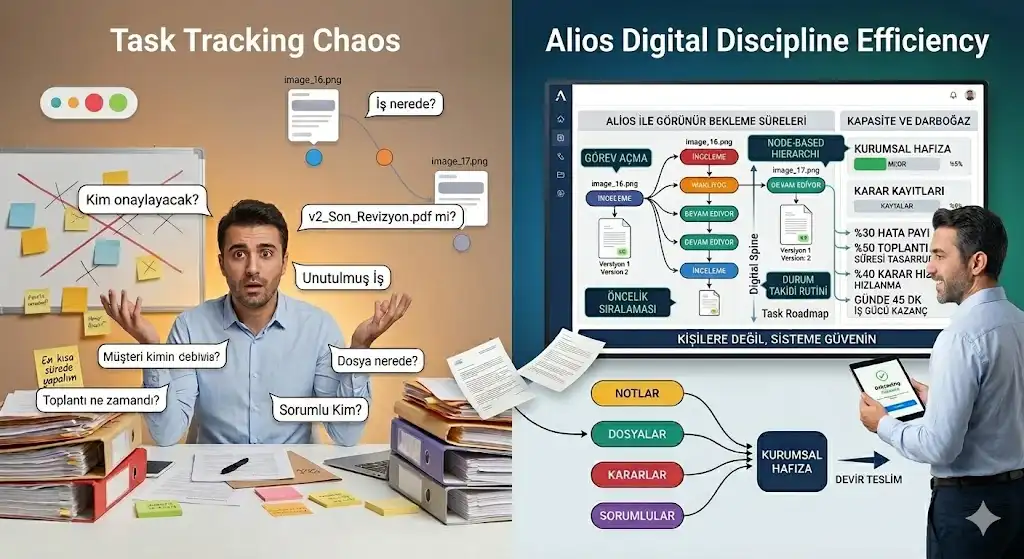
ProcessOld Method (Chaos)Alios Method (Discipline)Giving a TaskVerbal or WhatsApp (Easily forgotten)Opening a Node (Recorded history)Monitoring"What happened with that job?" (Time loss)Dashboard Tracking (Real-time)Approval ProcessEmail/Phone tag (Chaos)Review Status (Instant feedback)File Access"I think I emailed it" (Searching)In-Node Archive (Seconds away)
Conclusion: Stop Tracking, Start Managing!
Task tracking in an SME should not be a "policing" activity; it should be an enabling activity. Through Alios's Digital Spine, work is moved from people's fragile memories into the system's permanent memory. This allows the owner or manager to stop being a "task-chaser" and start being a true leader focused on strategic growth.