Article
Guide to Choosing SME Work Tracking Program:12 Critical Questions
How do you choose the right software for your business? Discover the unique solutions Alios offers to SMEs with criteria like ease of use team visibility and price
12 Questions to Ask When Choosing a Work Tracking Program for SMEs: A Guide to Building Your Digital Spine
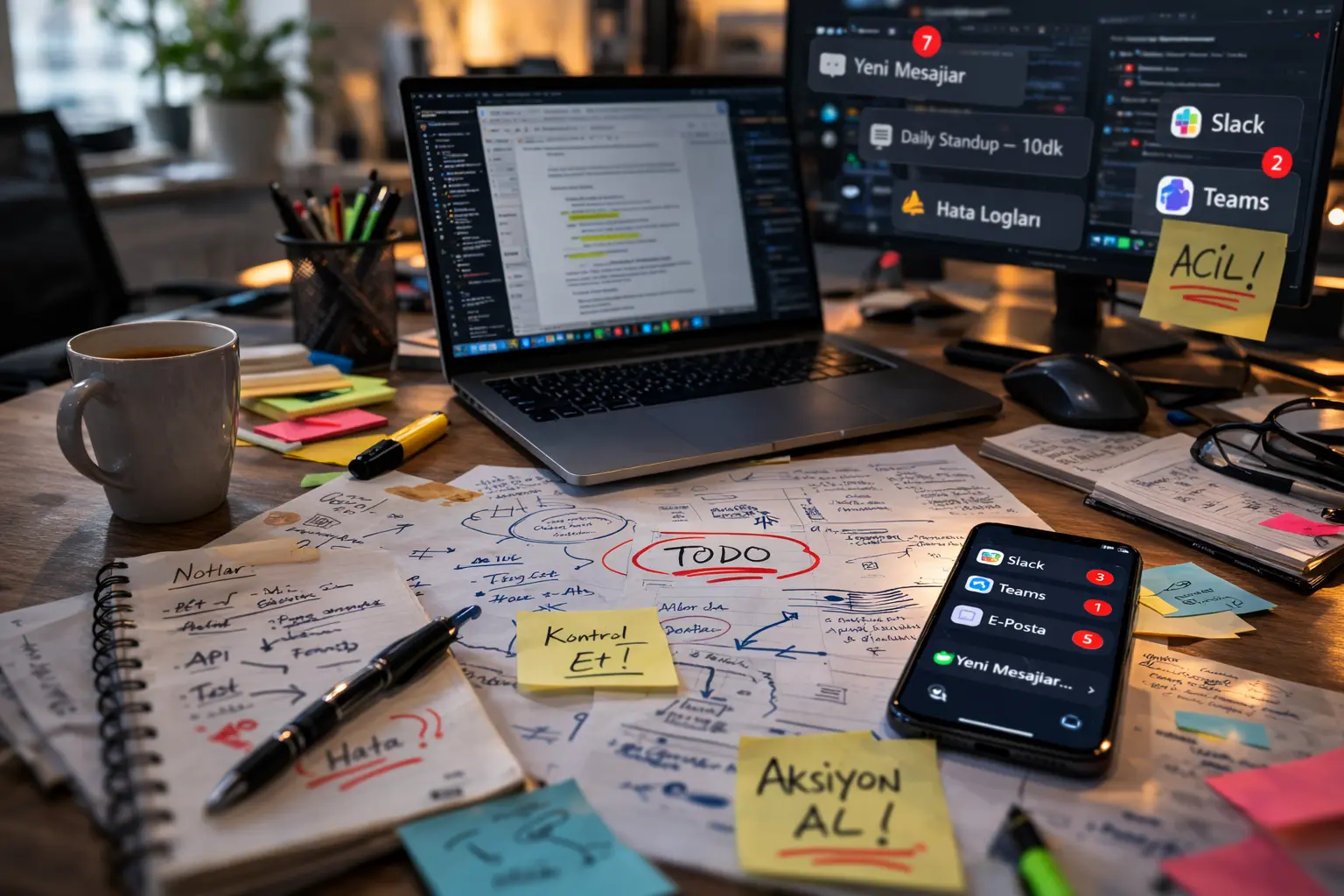
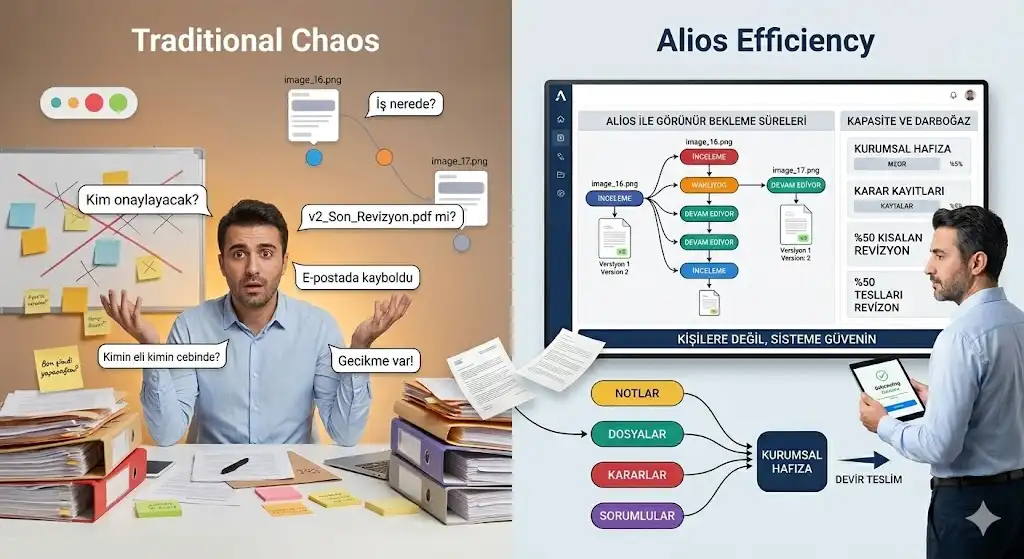
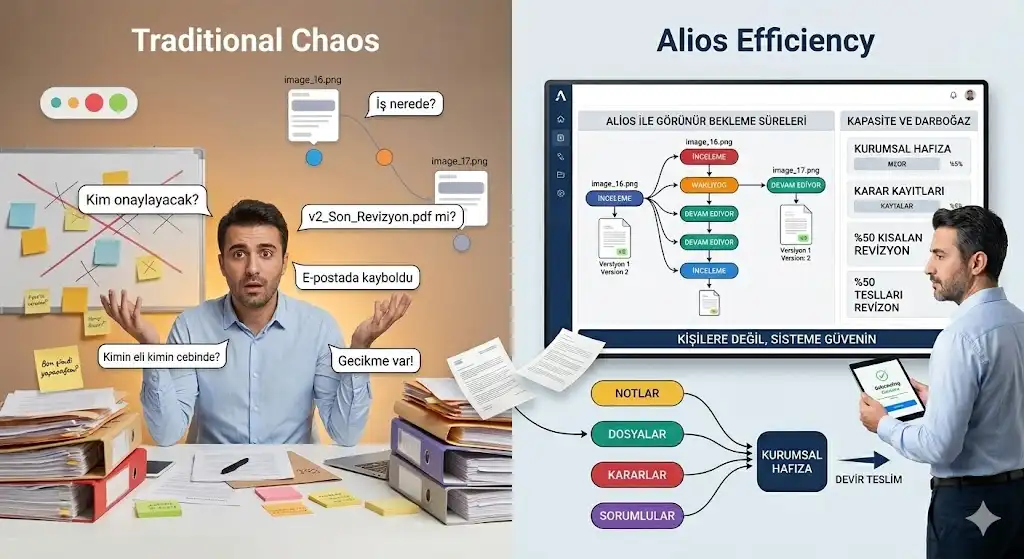
For an SME (Small and Medium-sized Enterprise), choosing the right work tracking software is not just about buying a new computer program; it is the process of constructing the company’s "Digital Operating System" and its "Corporate Memory." An SME’s greatest asset is its speed and flexibility. However, as the company grows, this speed often gives way to chaos, to laments that "It’s not clear who is doing what," and to files lost within WhatsApp groups.
In the market, there are hundreds of options offered under the name of "Project Management," "Work Tracking," or "Task Management." Some of these options are just simple "To-Do Lists," while others are ERP systems that are too heavy and complex for an SME to handle. When choosing the software you will entrust with your business’s future, you must look not just at the price, but at how well it fits your operational reality.
Here are the 12 critical questions prepared with the Alios philosophy, and their detailed analysis, to take your business to the next level:
1. Ease of Use: Can My Personnel Learn This Program in 15 Minutes?
No matter how powerful a software is, if employees find it difficult to use, that software is a "dead investment." Technology literacy can vary across different levels in an SME. Everyone, from the master on the field to the sales representative in the office, must speak the same language.
Interface Chaos: Is the program’s screen filled with complex tables and dozens of buttons? Or does it have a logic that simplifies every job within itself, like Alios's Node (Düğüm) structure?
Adaptation Process: Do the personnel need weeks of training to start using the system? An ideal system should enable an employee to open their first Node and upload a file within it in a matter of minutes.
2. Mobile Compatibility: Can the Master in the Workshop or the Staff on the Field Update the Status?
SMEs are not managed solely from offices. The production area, warehouse, dispatch point, or customer visits are the heart of the operation.
Real-Time Data: Can the personnel on the field take their phone out of their pocket and update the status to "DONE" (Tamamlandı) the moment they finish the job?
Camera Integration: When a problem arises, the master should be able to take a photo of the error and upload it into the relevant Node at that very second. Systems like Alios make the field a part of the office.
3. Establishing Discipline: Does the Program Guide Personnel to the Correct Status?
A work tracking program should be more than just a record keeper; it should be a "traffic cop."
Status Discipline: Does the program mandatory ask why a job is not progressing? Taking a job to the "WAKLIYOG" (Bekliyor) status in Alios is an admission of a bottleneck. A good software should make these bottlenecks visible instead of hiding them.
Error Barriers: Is there a hierarchy that prevents an employee from accidentally marking an unapproved job as "Bitti"?
4. Team Visibility: How Much Workload Does Everyone Have?
The biggest question for SME managers is this: "Everyone seems very busy, so why are jobs not getting finished?"
Capacity Analysis: Can the software show within seconds which employee has 15 active jobs and which has only 2?
Fair Distribution: Visibility ensures fairness within the team. Seeing who the "Kaptan" (Sorumlu) is via the Alios Dashboard increases accountability.
5. Communication Hub: Do Work-Related Discussions Stay "Inside" the Job?
WhatsApp and email are the greatest enemies of professional work tracking. Information gets fragmented and lost there.
Topic-Based Messaging: Is the discussion about a drawing turning around the Node where that drawing is? Or does it stay suspended in a general group?
The Power of @Mention (Etiketleme): In an emergency, can you call the relevant person directly into the job? Alios combines all communication with the context of the job.
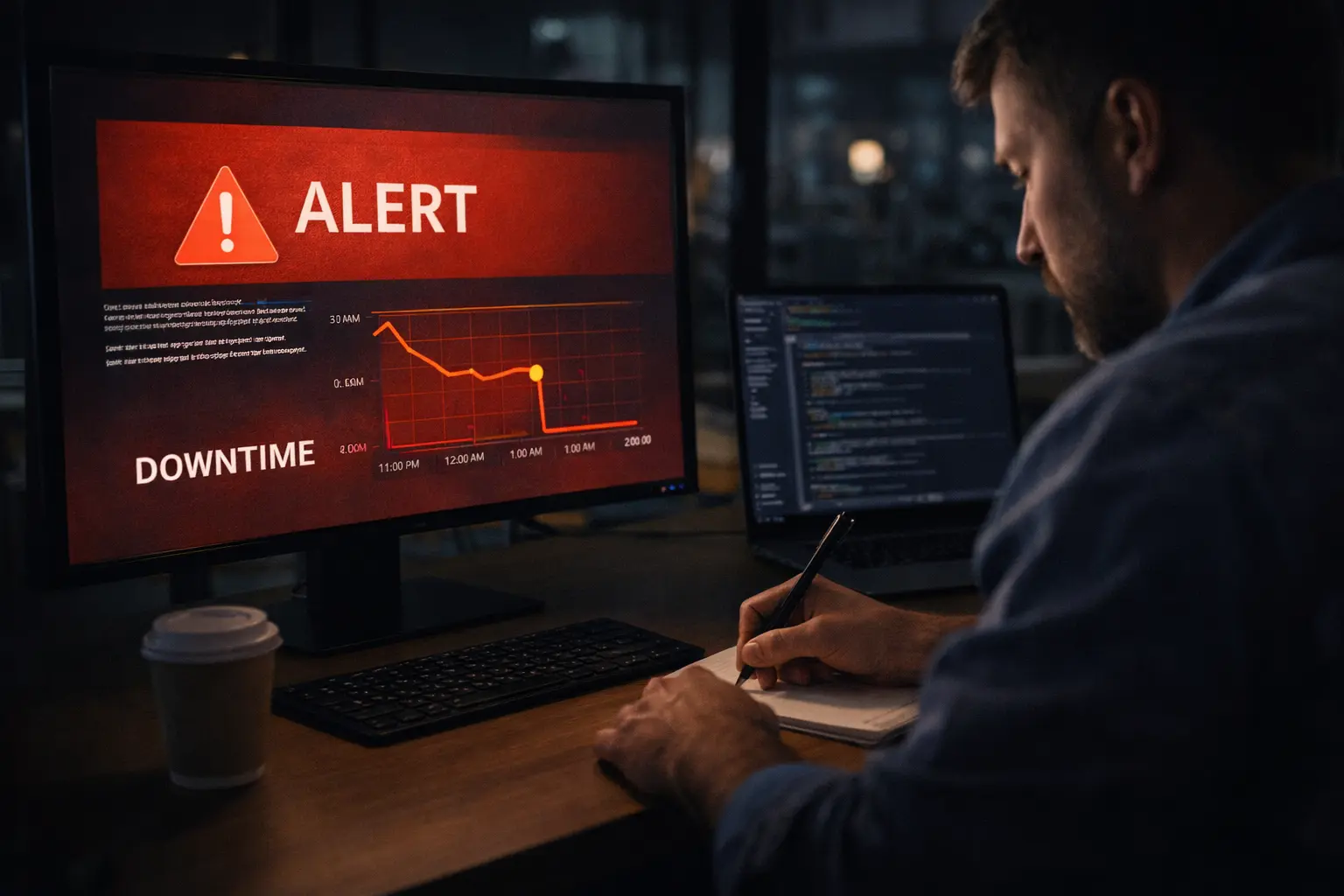
6. Early Warning System: Does It Announce Delays Before They "Explode"?
Calling the fire department after a fire starts is easy; what matters is seeing the smoke.
Time Tracking: If a job has been waiting in the "Review" (İnceleme) phase for 3 days, does the system sound an alarm for the manager?
Bottleneck Detection: Can you visually see at what point in the operation jobs are accumulating (e.g., Paint Shop or Approval Authority)?
7. Reporting Speed: Are Hours Spent Preparing a Weekly Status Report?
An SME where hours are spent on Excel tables to prepare reports on Friday evenings is inefficient.
Automatic Filtering: Do the lists for "Finished this week" and "Planned for next week" drop in front of you with one click?
Customer Transparency: Can you create a professional report to be presented to the customer within seconds? Alios converts the operation itself into a report.
8. Corporate Memory: Does the Information Stay with the Company When Personnel Leave?
In SMEs, information is usually in people’s heads. When that person leaves, the project collapses.
Digital Spine (Dijital Omurga): Does the software collect all past correspondence, decisions, and files on a "spine"?
Handover: A new employee should be able to grasp all the details of an old project in 1 hour thanks to the Alios Node History.
9. File Association: Are Documents Linked to Tasks?
Searching for files in folder labyrinths is not what a modern business should do.
Node-File Connection: Is a proposal file in a generic "Teklifler" folder or is it right at the heart of that sales Node?
Version Control: Is there a revision tracking system that ends the "Son_revizyon_v2.pdf" chaos?
10. Scalability: Will the System Lock Up When My Company Has 50 People?
The system you manage 5 people with today, you must be able to manage 50 people with tomorrow.
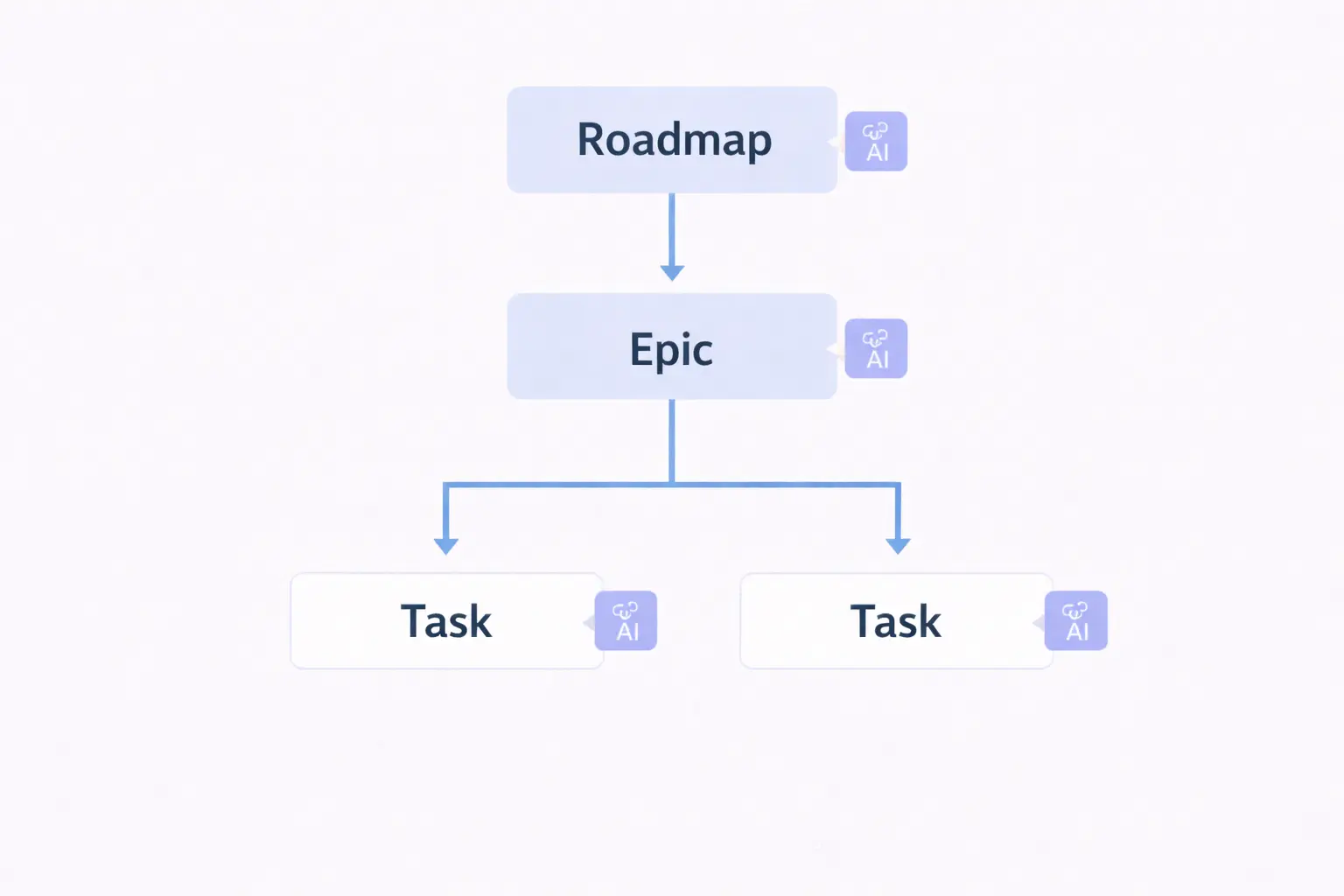
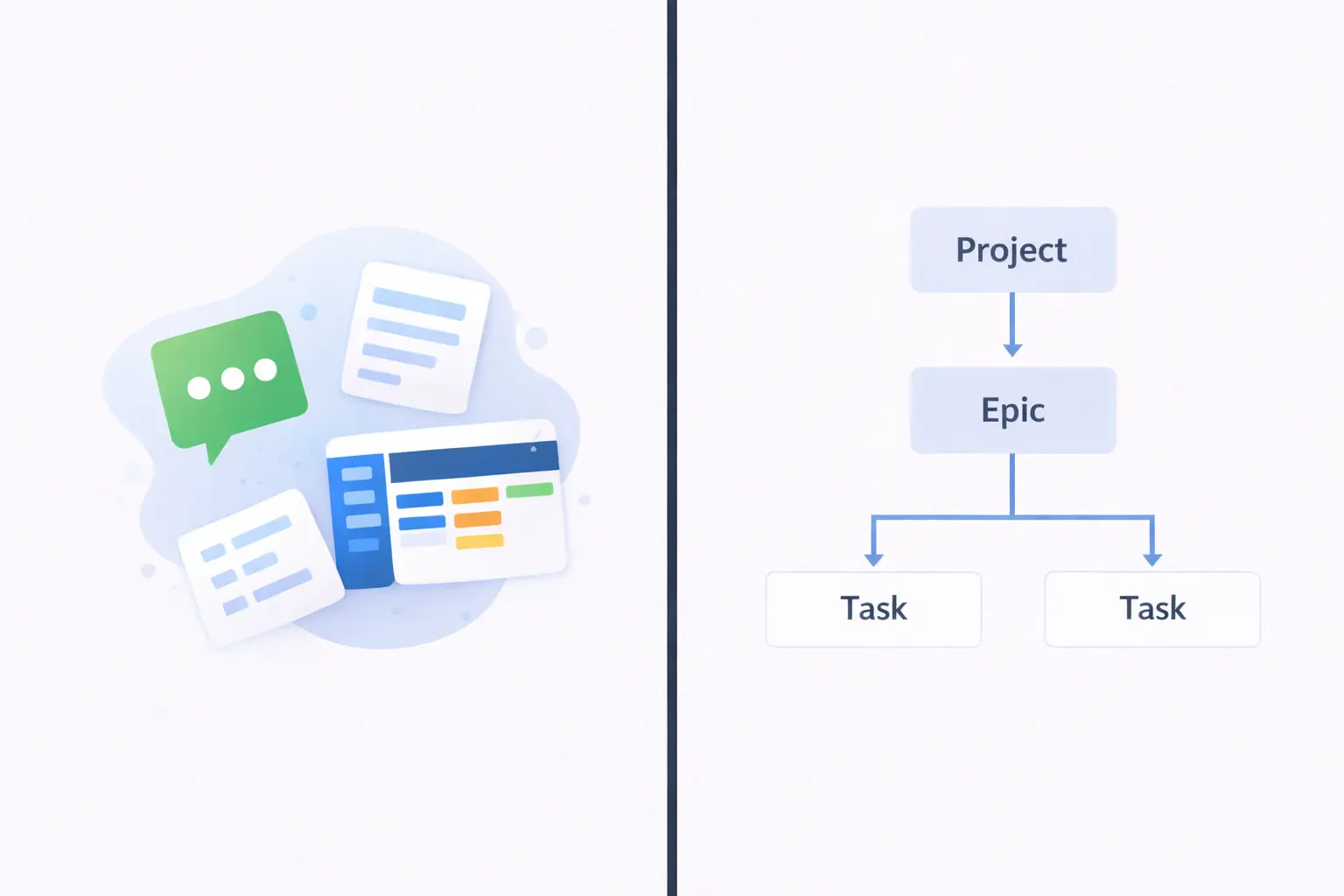
Hierarchical Structure: Are projects and sub-projects (Node networks) flexible enough to manage complexity?
Performance: Does the system slow down when too much data is loaded?
11. Support and Local Presence: Do I Have a Person to Contact When I Have a Problem?
With foreign-sourced software, you might wait for ticket responses for days when you get an error.
Fast Solution: SME work doesn’t stop. Can you get instant support when there’s a problem?
Cultural Adaptation: How much does the software cater to the Turkish SME working culture like "acil," "bekliyor," "onaylandı"?
12. Price/Performance Balance: Are There Hidden Costs?
Many tools that start as "free" strain an SME’s budget as the number of users increases or when basic features are opened.
Clear Pricing: Are additional fees asked for installation, training, and updates?
Return on Investment (ROI): How many hours does this software save me per month? How much does it reduce faulty production?
Conclusion: Digital Transformation with Alios
The answers to these 12 questions lead you to a single point: what an SME needs is not just a "software" but a discipline. Alios understands the chaotic nature of SMEs, divides jobs into Node-based micro-cells, and unifies the entire operation on a Digital Spine. While other programs tell you to note "what to do," Alios shows you "how to do it" and "where you get stuck."
Choosing the right program takes the burden of "operational tracking" off the patron and gains him time for "strategic growth."