Article
CRM vs. Project Management: Building the Right Agency with Alios
Don't let sales outpace delivery. Learn why agencies should prioritize project management over CRM to eliminate chaos, manage workloads, and ensure client loyalty.
CRM or Project Management? Building the Right Agency Foundation (Alios)
As agencies grow and their client lists expand, a critical question echoes in the boardroom: "Should we set up a CRM first, or a project management system?" Many agency owners, believing that the path to growth is through more sales, invest directly in complex CRM (Customer Relationship Management) tools. However, the bitter reality often hits after the first invoice: winning the client is only one side of the coin; the real operational battle is fought in the delivery process after the project begins.
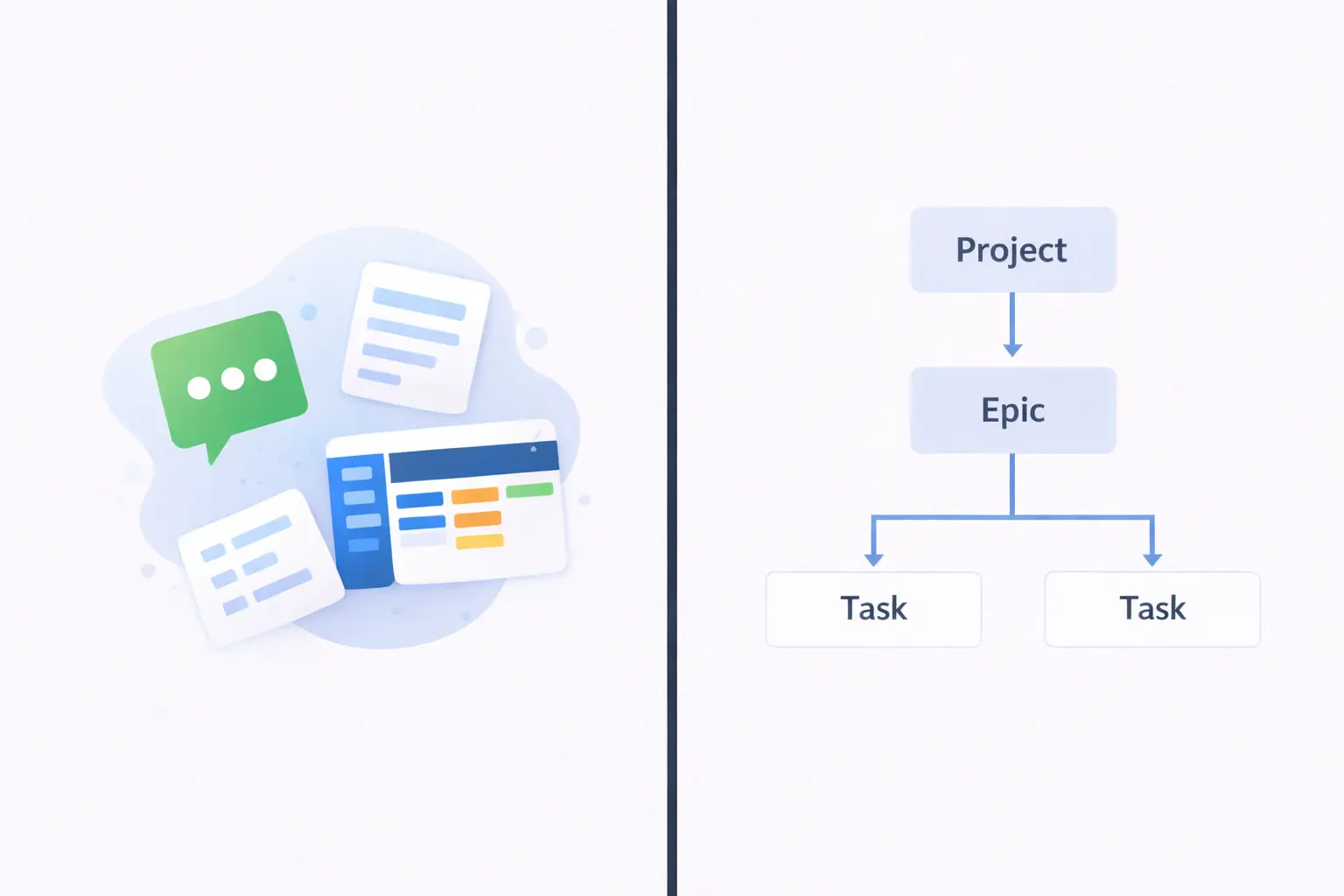
If you don't have a clear system at the delivery stage, every new client brought in by the sales team only increases the chaos and stress on the existing team. Files get lost in Drive folders, revisions are buried in the depths of WhatsApp groups, and questions like "When will this be done?" go unanswered. In this guide, we will detail why you should build agency operations on project and task tracking rather than a CRM first.
1. Core Differences Between CRM and Project Management
While many agency managers use these two terms interchangeably, their functions and focal points are polar opposites. Trying to manage operations with the wrong tool is like trying to drive a nail with a screwdriver.
CRM (Sales-Oriented Structure)
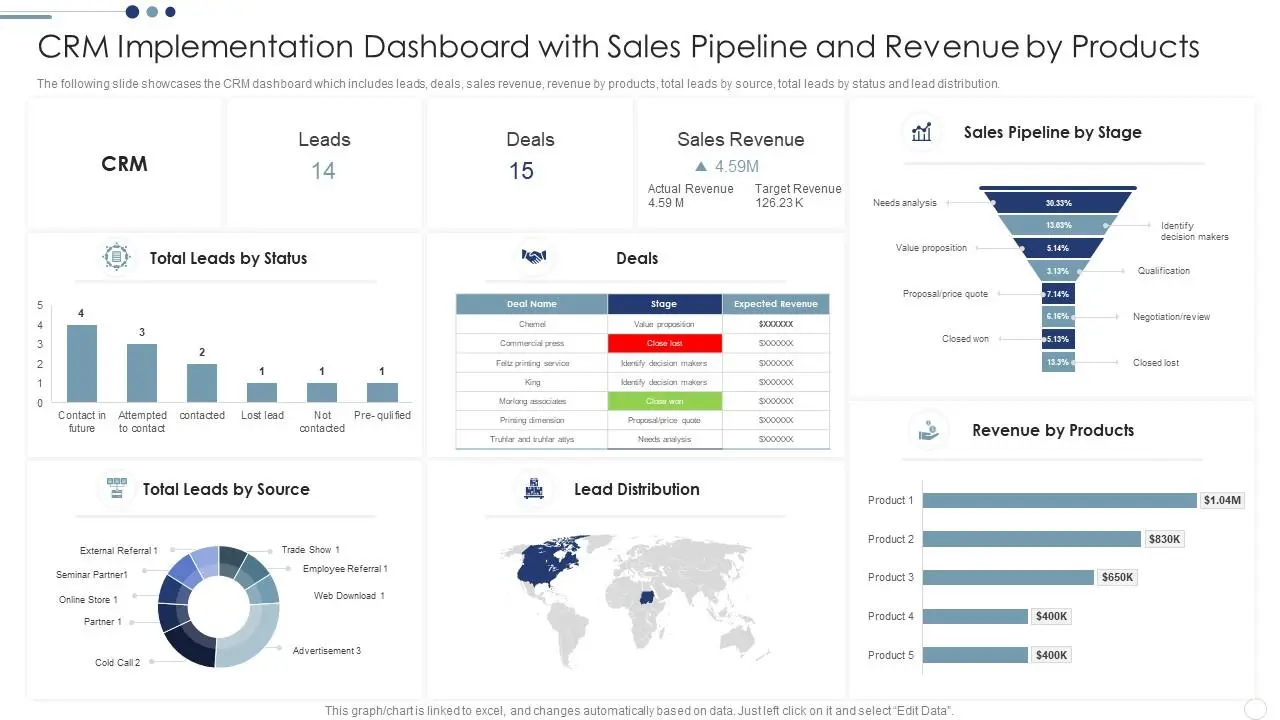
CRM systems are designed to manage the sales pipeline that converts a lead into an actual client.
Lead Tracking: Who is handling a form submission from the website.
Proposal Processes: Tracking pricing and contract stages.
Communication History: Pre-sales meetings.
The Question: "Did we sign the contract?"
Project Management (Operation-Oriented Structure)
Project and task tracking manage the post-sales operation. It covers all processes in the "kitchen" of the business.
Task Owners: Who is doing the design? Who is writing the copy?
Deadlines: When does the campaign go live?
Revision Management: How were the client's feedbacks processed?
The Question: "Is the design finished and did the client approve it?"
Approximately 80% of an agency's daily workload occurs in post-sales processes. A CRM brings you the client, but project management ensures you keep that client.
2. Why Project Tracking Must Come First
In a growing agency, the source of chaos is usually not a lack of sales, but delivery confusion. Implementing a CRM doesn't solve this; it just allows more "chaos candidates" to enter the system.
Identifying Operational Bottlenecks
The fundamental barriers preventing agency growth are:
Invisible Tasks: Requests like "Can we do a quick revision?" stuck between Slack or WhatsApp chats.
Ambiguity of Responsibility: Tasks hanging in limbo because no one knows who owns them.
Capacity Planning Errors: Inability to see how busy the team actually is, leading to false delivery promises.
CRM tools are great at managing leads, but they cannot organize the 15 different revisions sitting in front of a designer. Therefore, the first priority is a clear project flow, task visibility, and an accountability system.
3. Alios’s Role: The Operational Heart and Node Structure
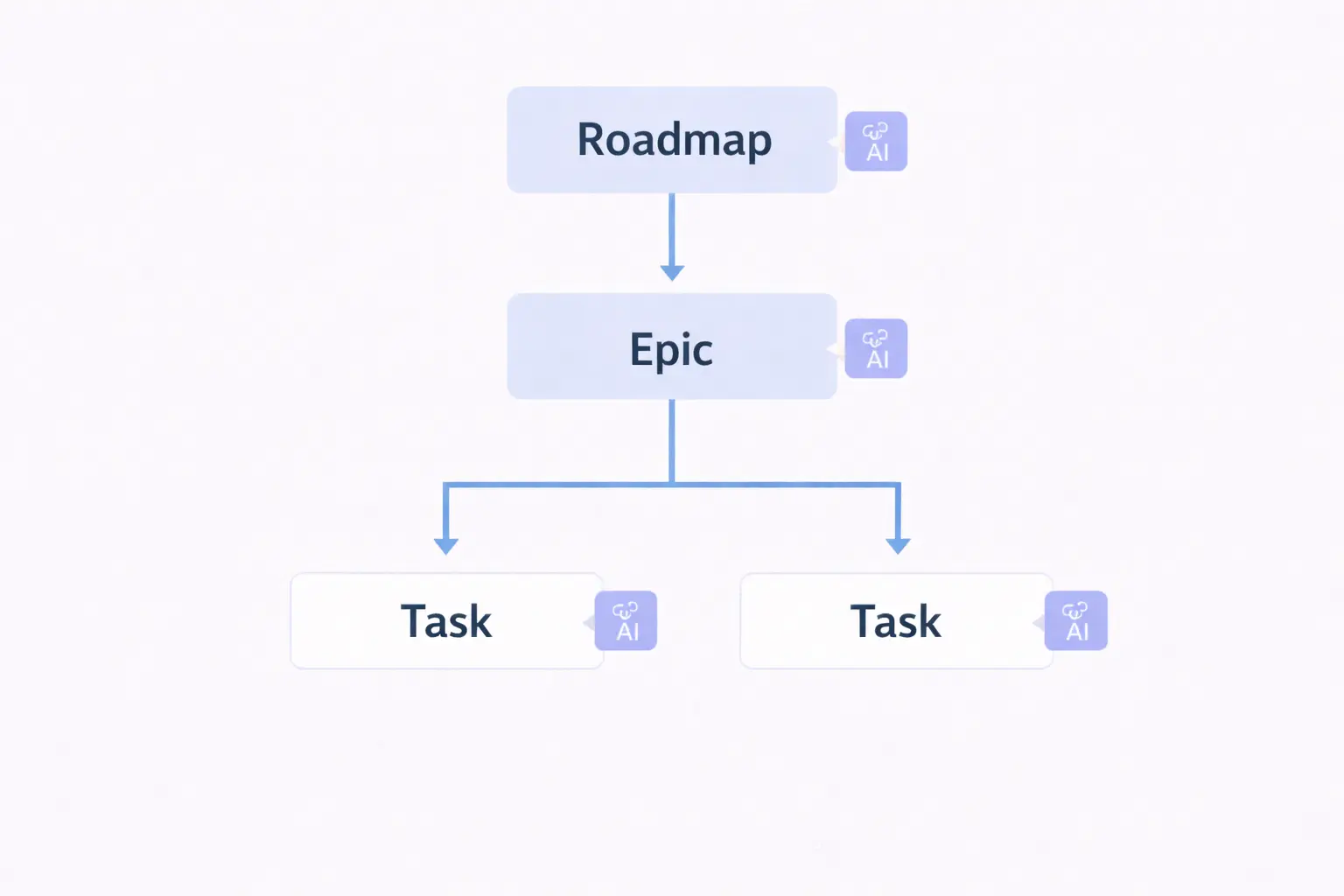
Alios positions itself not as a classic CRM, but as the operational center—the heart of the agency. Unlike traditional tools, it works with a "Work Tree" and "Node" logic.
Architectural Setup with Project Trees: In Alios, a client is more than just a row in a database. A hierarchy is established for each client.
Client A
Social Media Campaign (March)
Strategy Development (Node)
Visual Design (Node)
Copywriting (Node)
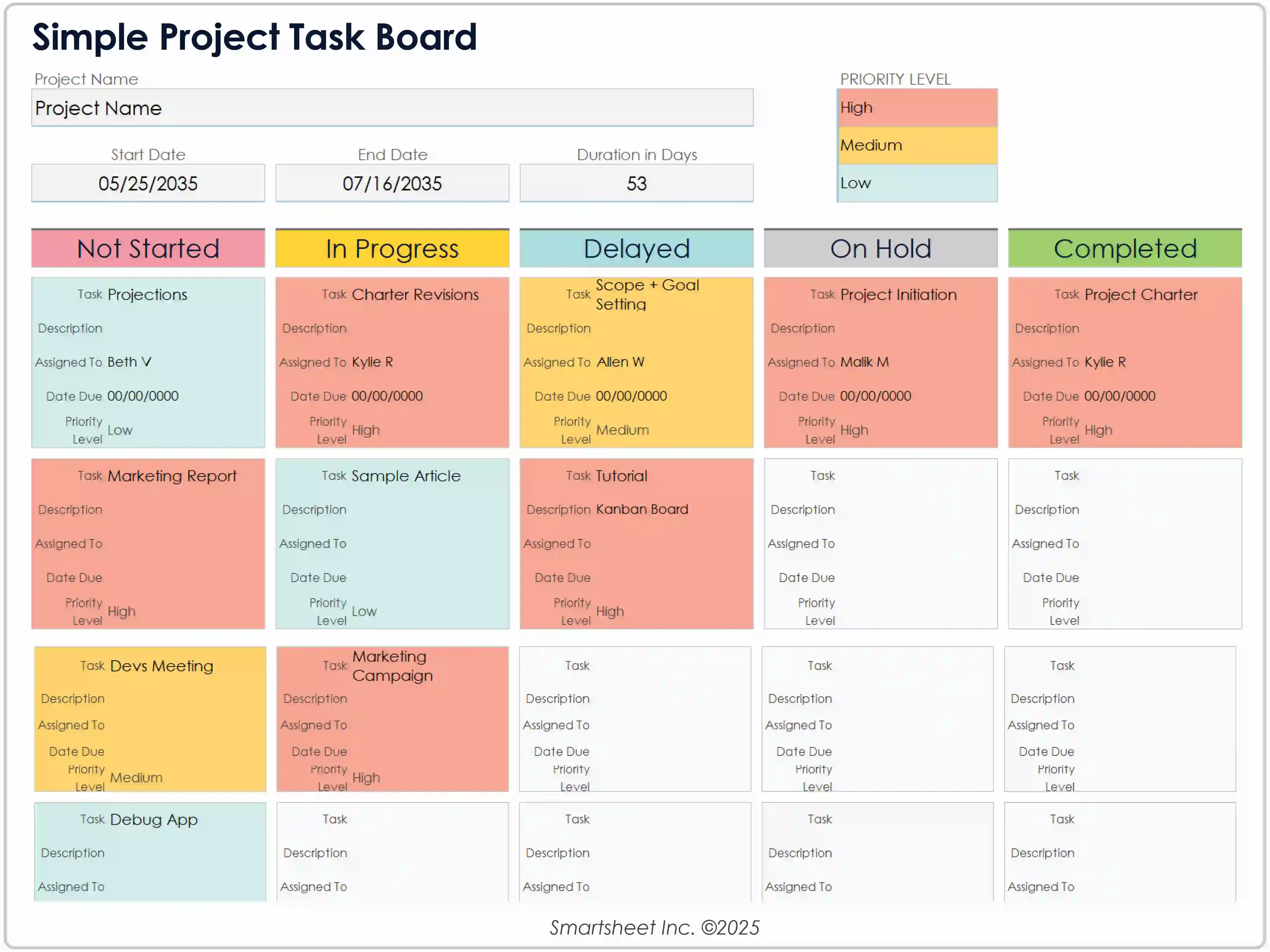
Turning Work into Atomic Tasks (Nodes): Every job in Alios is a node. Within a node, the responsible person, deadline, reference links for all related files, and client feedback are gathered in one spot. This supports asynchronous work; no one has to ask, "Where is the file?"
Dynamic Visibility and Risk Management: Once tasks are clear, "Delay Risk" reports become meaningful. Bottlenecks—such as a video team overwhelmed by workload—become visible through system alerts.
4. When and How to Deploy a CRM?
A CRM is not unnecessary; its timing is critical. If your agency starts receiving more than 10 regular leads per month, if your proposal processes become complex, and if your sales team is growing, a CRM becomes inevitable.
The Correct Workflow:
CRM: Lead → Meeting → Proposal → Won Client.
Alios: Project Setup → Task Distribution → Production → Revision → Delivery.
The moment the sale is closed, data from the CRM should flow into the operational gears of Alios. This is the "Handshake between Sales and Operations."
5. Conclusion: Stabilizing the Operation
When building operations, agencies often focus on "marketing" and neglect the "kitchen." For healthy growth, the sequence should be:
Operations First: Organize project and task tracking; establish internal discipline.
Provide Visibility: Make delivery processes and workloads transparent.
Scale Sales: Once the operation is stable, grow the sales pipeline with a CRM.
Alios acts as the agency's operational operating system. While a CRM promises the client, Alios ensures you fulfill that promise with flawless delivery. Remember; a good sales team wins you the first project, but a flawless operation wins you that client's loyalty for a lifetime.