Article
Client Status Reports for SMEs: Mastering the Weekly Guide
Build client trust with professional reports. Learn to manage wins, risks, and next steps using the Alios framework to achieve operational excellence in your SME.
Client Reporting for SMEs: How to Prepare a Winning Weekly Status Report
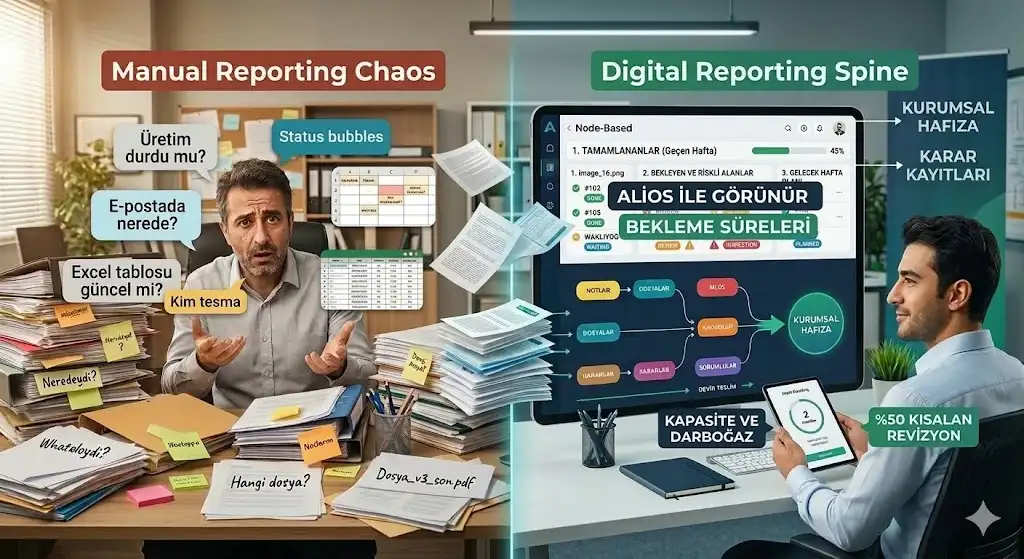
In the competitive landscape of Small and Medium-sized Enterprises (SMEs), client reporting is not just about delivering information; it’s about building trust, demonstrating professionalism, and managing expectations. A well-structured Weekly Status Report answers the client's silent question—"Is my project still on track?"—before they ever have to ask it. A strong report streamlines the revision process, minimizes friction, and ensures smoother payment cycles.
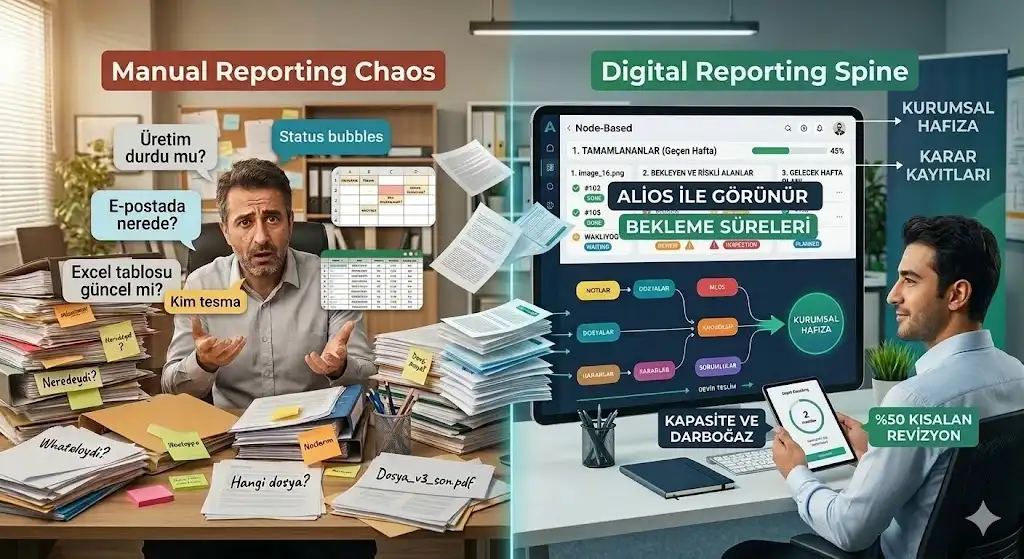
While many businesses approach reporting as a tedious "data compilation" exercise at the end of the week, modern operational platforms like Alios allow you to transform it into a natural output of your daily workflow. Here is a guide on how an SME can prepare an effective, professional client report using the Alios framework, structured around three core pillars.
1. Accomplishments: "What Have We Done for You?"
The first section of your report must focus on tangible progress and delivered value. Clients are not invested in your effort; they are invested in the results you produce. Show them exactly which "Nodes" (task units) were closed over the past week to justify their investment.
The Alios Method:
Within the Alios platform, you can filter and list all Nodes with the status marked as "DONE" during the reported week. But don't just list the name of the task; show the proof. Integrate the final deliverables—an approved design mockup, a completed snippet of code, a shipment confirmation number, or a finalized legal document—directly from the Node’s internal history into the report.
The Benefit:
This approach provides the client with immediate visual and data-driven confirmation of progress. They can see completion percentages increase and grasp the value generated, reinforcing their confidence in your capability.
2. Risks and Roadblocks: "Why Are We Stuck?"
An honest and transparent report does not shy away from challenges. A common mistake SMEs make is hiding problems from the client until the last minute, hoping to solve them internally. This is a strategy for failure. Effective reporting identifies delays before they jeopardize the entire timeline.
The Alios Method:
This section is fueled by the status "WAKLIYOG" (Turkish for "Waiting") or "INSPECTION" within Alios. List any Node that is currently stalled and provide the specific reason for the bottleneck. Transparency is key.
Example: "Node #25: Finalizing the UI prototype is currently delayed (Status: Waiting For Approval). This Node has been awaiting client feedback on the color palette for 3 days."
The Benefit:
Instead of shouldering the blame for a missed deadline, you are proactively sharing the responsibility with the client. By identifying the specific block (especially if it resides on the client's side), you involve them in the solution and ensure you can collaboratively clear the path forward.
3. Next Steps: "What Will Happen Next Week?"
The final section of the report rebuilds momentum and reinforces the client's sense of security. It clarifies the road ahead for the next reporting cycle. It communicates that the project is not simply reacting to challenges, but is moving forward according to a strategy.
The Alios Method:
List the Nodes that are currently marked as "PLANNED" or "IN PROGRESS" with an upcoming deadline. It is crucial to specify the expected Termin Date (deadline) and, for internal clarity that you can share, the Node Captain (the primary person responsible for that deliverable).
The Benefit:
The client ends the report with a clear understanding of the goals for the next week. They know that the project is still under control and that the team is ready for the next phase. This mental relief ensures a calm weekend for both you and your client.
4. Operational Visibility: A Table Summary (Alios Data Logic)
Integrating this logic into a summary table at the start of your report can provide a quick, high-level overview for busy executives.
Report ComponentAlios Data SourceCore Message to ClientAccomplishmentsStatus: Done Nodes from the current week"We have delivered value and are moving forward."Risks & RoadblocksStatus: Waiting or Extended Inspection Nodes"We need your support/approval to overcome this specific delay."Next StepsNodes with next week’s Termin Date"We are organized, the route is clear, and control is absolute."
5. Conclusion: From Reporting Data, to Reporting a Journey
Don't think of client reporting as generating a document from scratch. In an operational system like Alios, where every task is managed as a transparent Node, the daily operations are the report.
If you manage your workflow well internally, preparing the Weekly Status Report becomes an activity of less than ten minutes. You simply filter the relevant data, validate the progress, and send it to the client. This level of transparency not only reduces friction but elevates your SME’s brand, transforming you from a mere vendor into a trusted strategic partner. A relaxed client is a client that is easier to manage, faster to approve, and more likely to renew.