Article
Alios: The Next-Gen Project Operating System for AEC Firms
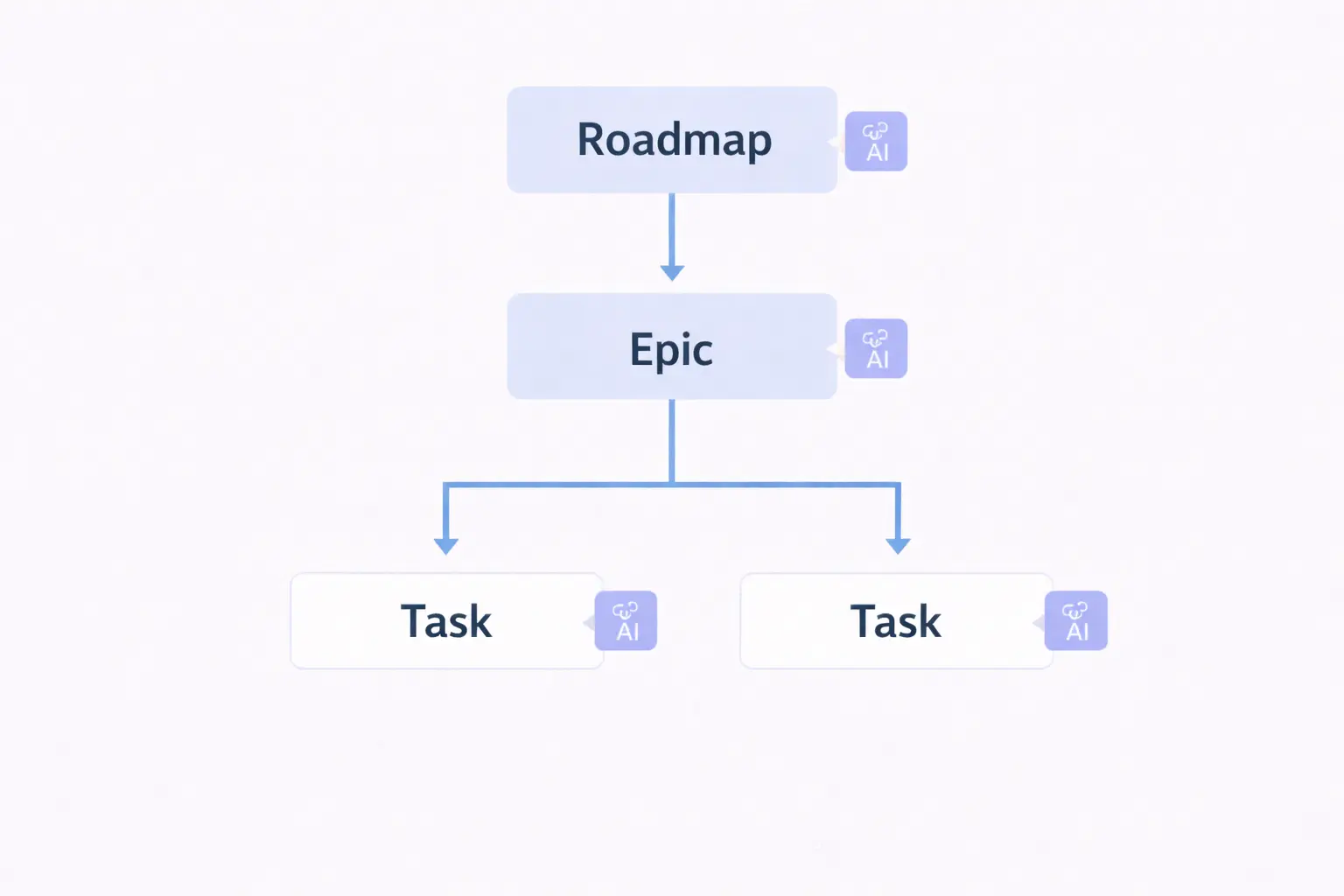
What is Alios? A Node-based Project Operating System for AEC firms. It replaces chaos with visibility, syncing site and office through an integrated Task Tree.

What is Alios? The Next-Generation Project Operating System for Architecture and Engineering Firms
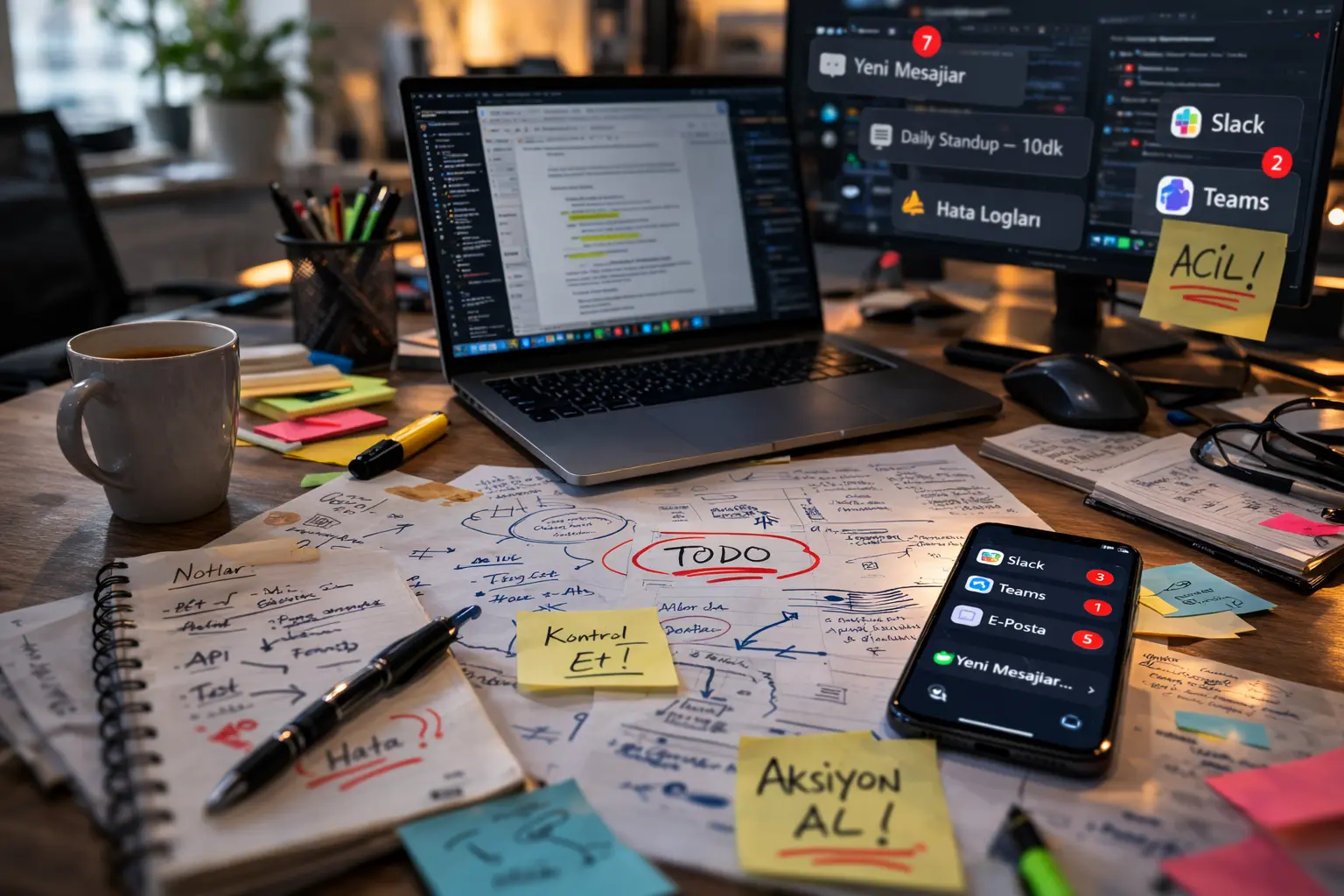
The architecture and engineering sector is one of the most painful areas for digital transformation. Despite being an ancient discipline, firms still struggle with complex drawing sets, interdisciplinary coordination, and the data gap between the site and the office. Many still rely on 20-year-old tools: emails, Excel sheets, and WhatsApp groups.
Alios is a "Project Operating System" designed specifically for the AEC (Architecture, Engineering, Construction) industry to eliminate this chaos. Where general-purpose tools (Trello, Asana, Monday) fall short in technical office processes, Alios embeds visibility, speed, and coordination into the project's DNA.

1. The Heart of Alios: The Node Tree Logic
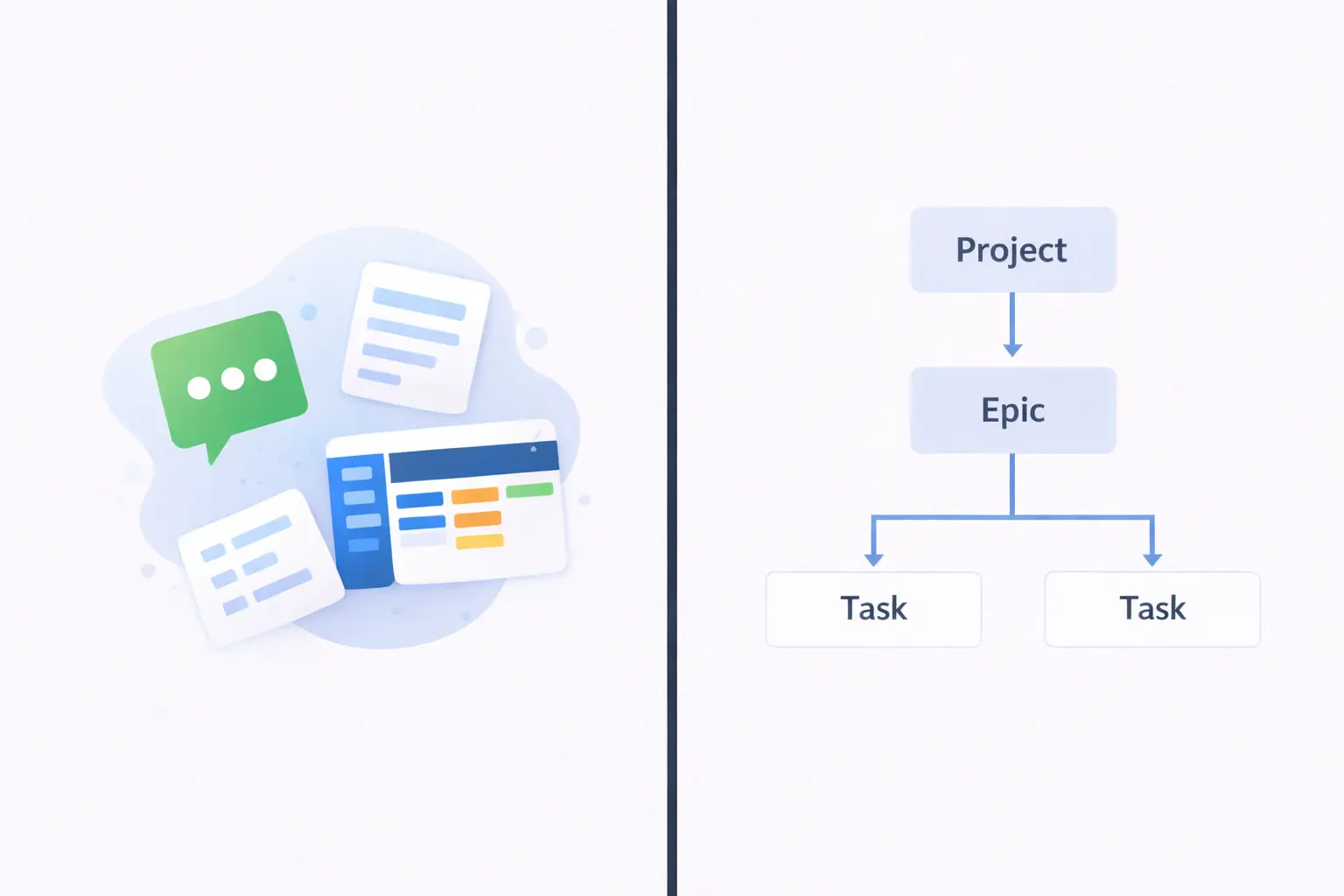
The fundamental feature that sets Alios apart is that it treats work not as a "to-do list," but as a Node Tree.
Hierarchical Order: Main phases (Concept, Permit, Construction) branch down into disciplines (Structural, Mechanical, Electrical) and further into technical tasks.
Visual Connections: You can see which node feeds another and how a single delay ripples through subsequent deliveries.
2. Core Value Propositions for AEC Firms
Alios provides a competitive advantage in three main areas:
A. Full Visibility
Critical Path Analysis: Identify bottlenecks before they become crises.
Progress Tracking: Monitor exactly how much progress each discipline has made via 100% live dashboards.
B. Operational Velocity
Approval Cycles: Nodes awaiting approval drop automatically onto the manager’s screen, ending the "lost in email" era.
Ready-to-Use Templates: Duplicate node structures that match your office standards in seconds for new projects.
C. Seamless Coordination
Single Source of Truth: Every node hosts its own files and discussion history. No more asking, "Which is the latest revision?"
Stakeholder Integration: Include subcontractors or consultants with restricted permissions and formalize their deliveries via Alios.
3. Usage Scenarios: Alios in the Office and the Field
Design Phase: When the architectural team makes a revision, the dependent structural and mechanical nodes automatically switch to "Needs Review," catching clashes before they reach the site.
Site Inspection: A field engineer takes a photo of the day’s concrete pour via the Alios mobile app and uploads it to the specific "Concrete Pour" node. The manager sees it instantly and approves progress payments.
Client Relations: Open a transparent view for the client. When they see every step is managed professionally through a Node structure, trust is solidified.
4. Building Corporate Memory
The biggest risk in architecture is information being trapped in individual minds or PCs. Alios archives the entire project journey within nodes. Five years later, you can find exactly why a decision was made and access the relevant correspondence in seconds.
Conclusion: Not Just Software, a Management Culture
Alios moves firms from being "person-dependent" to "system-oriented." It simplifies complexity and allows your team to spend their energy on creativity rather than administrative chaos.