Article
Proactive Agency Management: Prevent Project Delays with Alios
Stop managing crises and start managing processes. Learn how to use Alios early warning indicators to spot bottlenecks, manage workloads, and ensure on-time delivery.

Anticipating Delays in Agencies: Early Warning Indicators and Proactive Project Management
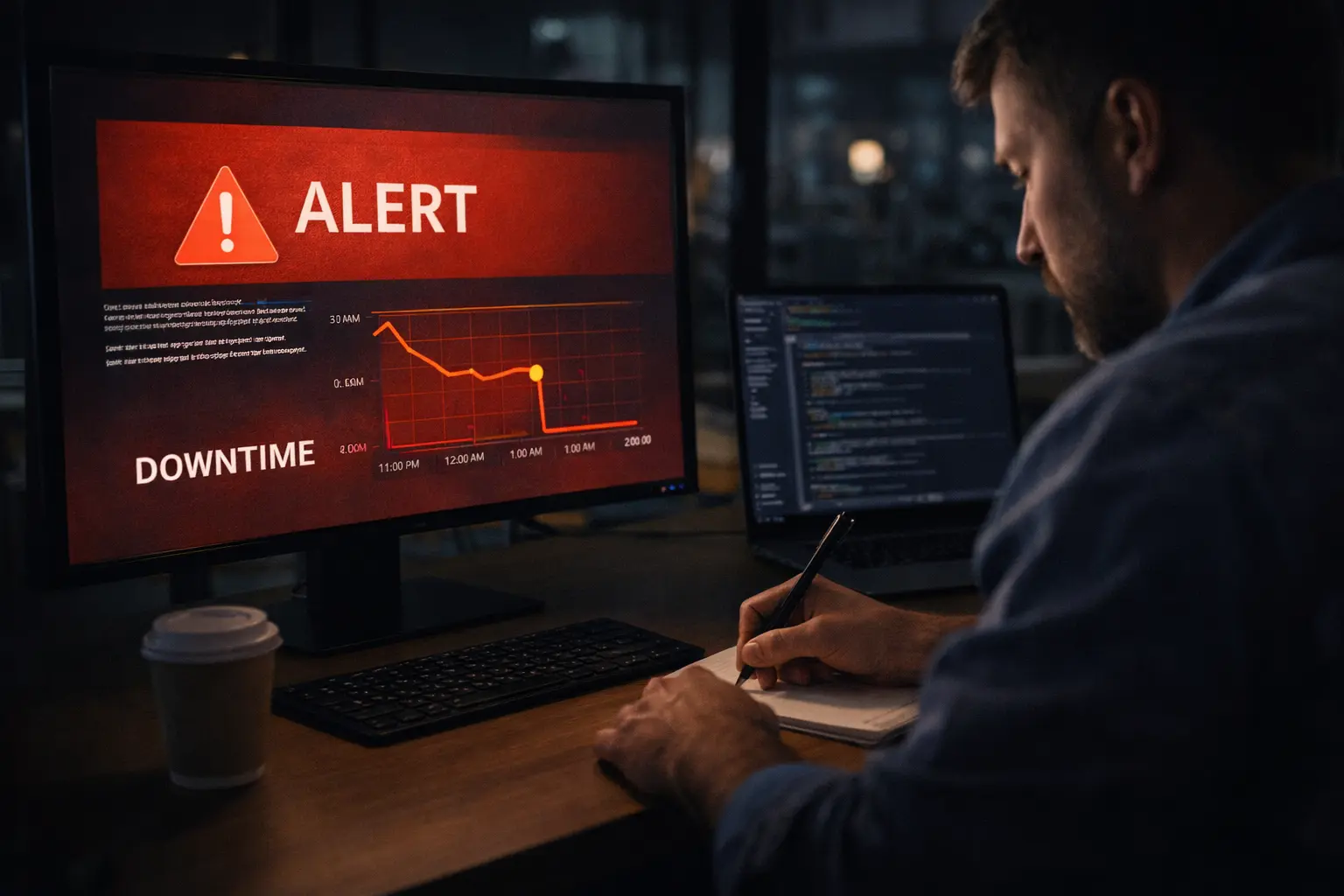
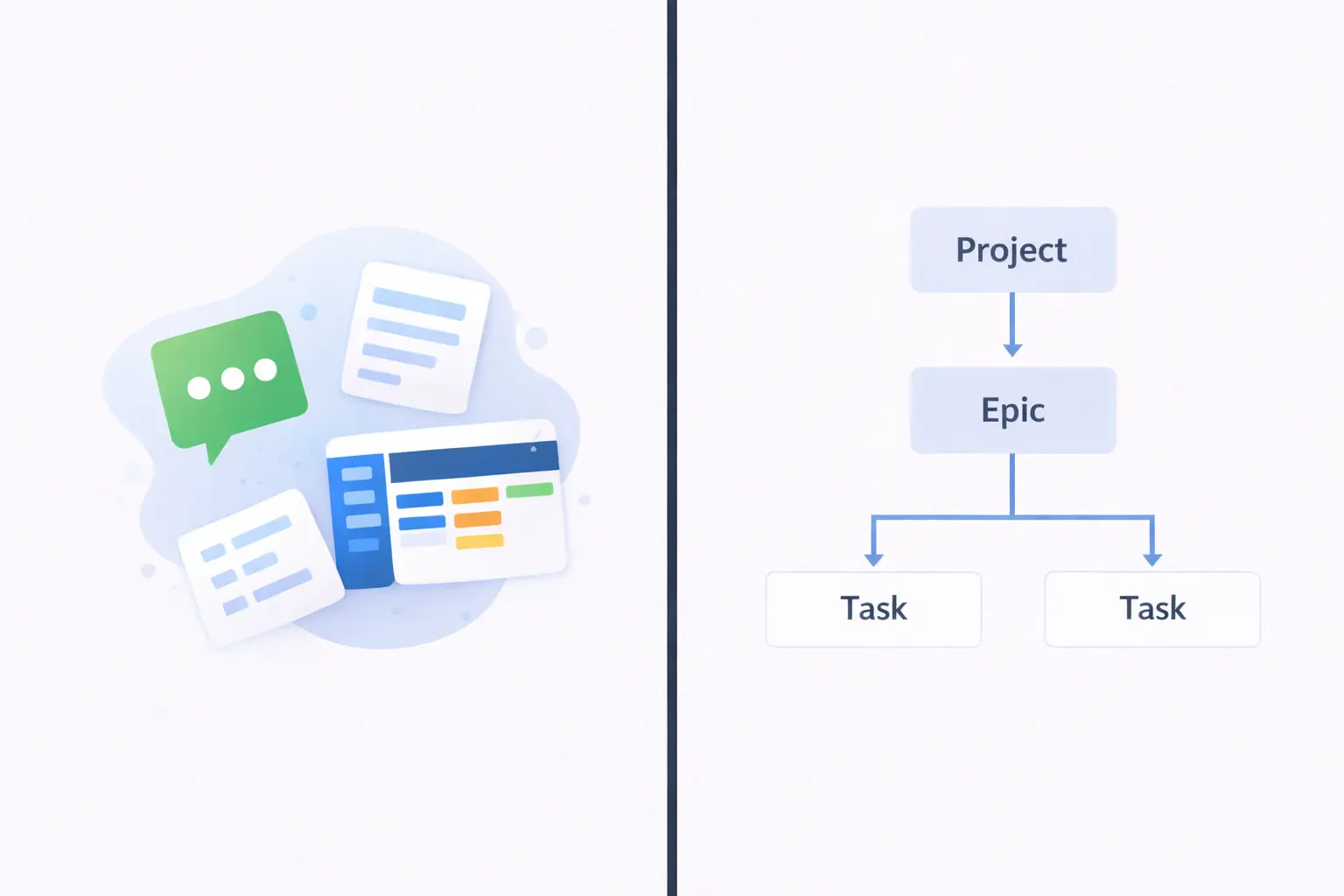
In the digital agency ecosystem, projects rarely collapse overnight. No campaign suddenly becomes "impossible to finish" on the morning of the deadline. In reality, a delay begins to give off small, silent, but steady signals days or even weeks in advance. However, agency teams often fail to notice these signals; the primary reason is that processes are not transparent or visible enough. Tasks scattered across different messaging groups, blurred responsibilities, and deadlines remaining as passive data in an Excel cell trap agencies in a "reactive" mode. The result is always the same: embarrassing phone calls with clients, sleepless nights, and crisis management that drains team morale.
In true professional management, the problem is not that work is delayed; it is that the delay is noticed too late. Successful agencies don't just track tasks; they establish "Early Warning Indicators" (EWI) to detect structural problems while they are still in the embryo stage. Node-based project management tools like Alios transform these invisible signals into concrete data. With a correctly established system, project managers can foresee where a project is slowing down or where it will get stuck 10 days before the delivery date.

1. Root Causes of Late Delay Detection in Agencies
To prevent delays, we must first understand why we are "blind" to them. There are four main reasons that create "delivery blindness" in agencies:
A. The Static Planning Fallacy
A great plan made at the start of a project loses its validity within 48 hours in the dynamic agency life. If your plan does not live in a dynamic system (like Alios), it becomes detached from reality. Static plans only show a delay when you reach the finish line.
B. Loss of Context and Communication Noise
When a designer says, "I can't finish the job because the copy hasn't arrived," if this information stays in an email or a Slack message, it doesn't enter the project manager's radar. The disconnection of information from the task (node) disables the early warning system.
C. The Cumulative Effect of Micro-Delays
A 2-hour delay in an approval or a 4-hour extension of a revision doesn't seem like a problem on its own. However, when these "micro-delays" stack up, they turn into a massive 3-day deviation at the end of the project. Without a mechanism to track this accumulation, an explosion is inevitable.
D. Invisibility of Bottlenecks
The agency's most talented designer might have 15 different jobs piled up. If this isn't visually apparent in a workload view, it becomes a "surprise" on the delivery day that the person cannot deliver.
2. How to Set Up Early Warning Indicators (EWI) with Alios
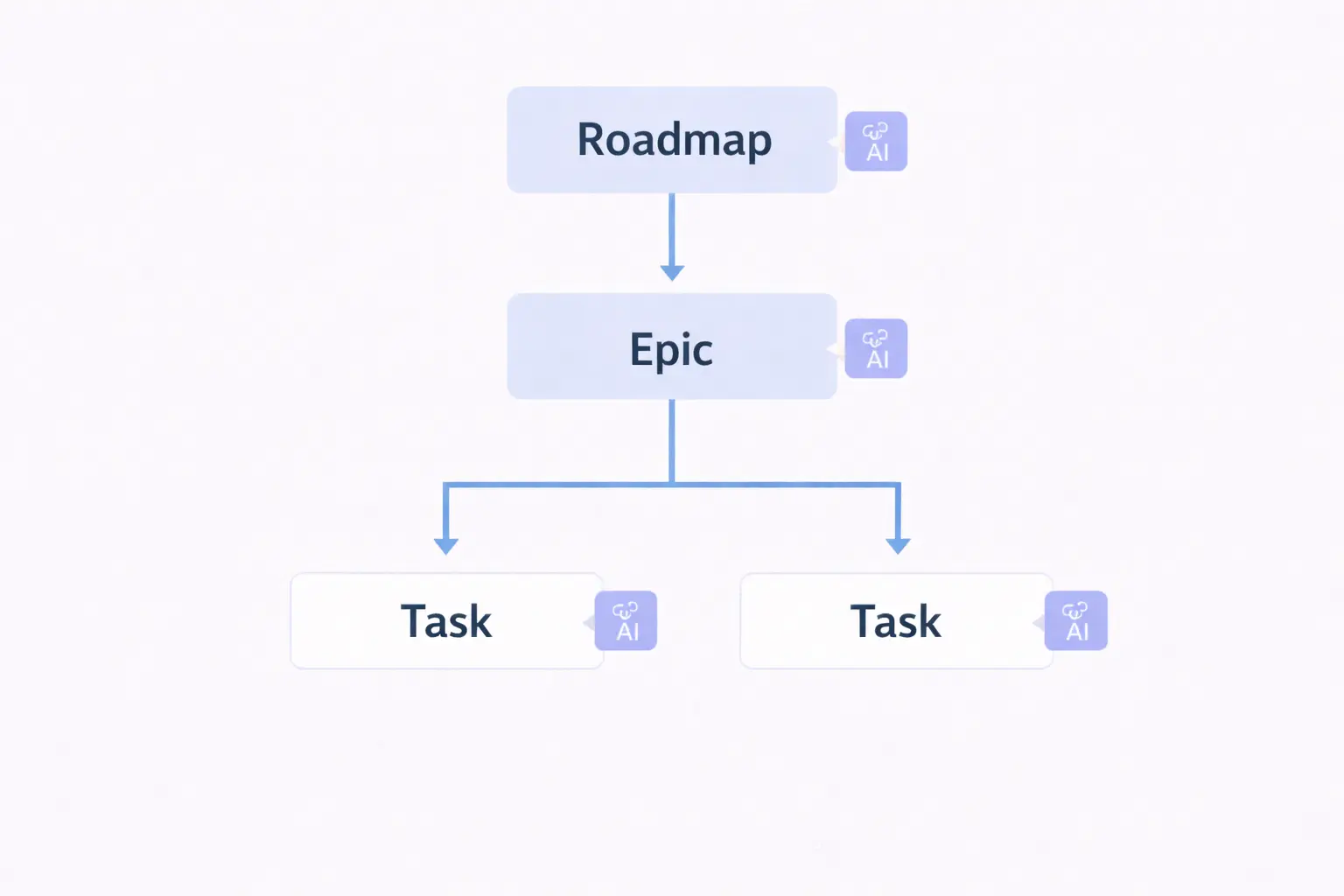
In Alios, projects are managed through a "Node" structure. This ensures every step is not just text, but a "data center." Here are the key indicators to save your project:
IndicatorCritical ThresholdThe SignalStagnation Time48 HoursIf a node is "In Production" for 48 hours without updates, it has stalled.Revision Density3rd RevisionIf an asset enters revision more than 3 times, the brief is wrong or the client is indecisive.Waiting Time>50% of PlanIf a 1-day approval window stretches to 2, it’s a red alert in the "Waiting" list.Node ClusteringTask Accumulation10 jobs stuck at one stage (e.g., Development) indicates a bottleneck that will freeze the project.
3. Strategic Advantages of Visible Project Management
Establishing early warning indicators doesn't just prevent delays; it changes the agency's culture:
Predictability: Managers know with 90% accuracy how busy the team will be next week and which projects carry risks.
Client Management: Going to a client 3 days before a deadline to say, "Since the approval took 2 extra days, we may need to revise the delivery by 1 day," is professional. Saying it on the final day is amateur.
Team Morale: Constant crisis management exhausts employees. Early warnings allow for balanced workloads and fewer "all-nighters."
4. Step-by-Step Early Warning Mechanism Setup
Build a "Delay Defense Line" on Alios with this workflow:
Define Milestones: Have 3-4 main delivery points. Focusing only on the final date is a mistake.
Define Dependencies: Set rules like "Coding cannot start before Design is finished." When step one is late, Alios whispers that step two is now "at risk."
Regular Pulse Checks: PMs should spend 15 minutes every morning on the Alios Dashboard. Which nodes are stuck in "Waiting"? Which "Reviews" are piling up?
Escalation Protocol: Know what to do when an indicator turns red. For a stagnant node, the PM should immediately meet with the assignee.
5. FAQ: Managing Expectations
Q: Do early warnings put pressure on the team?
A: Quite the opposite. Uncertainty creates more pressure than oversight. When the team knows what is expected and where things are stuck, they have a platform (Alios) to voice issues. Stress decreases because problems aren't swept under the rug.
Q: Can we prevent client-side delays?
A: Use the "Waiting for Client" status as data. Showing a client a report saying, "The time we spent waiting for your approval covers 30% of the project duration," encourages them to be more disciplined.
6. Conclusion: Don't Manage Crises, Manage the Process
The secret to successful delivery is not doing things faster, but seeing the process more clearly. Delays are usually caused by operational blindness, not technical difficulties. An agency that notices a slowdown before the delivery day will always be more reliable and profitable.
Early warning indicators established with Alios give your agency the ability to act like a ship with "radar." Even in foggy weather (busy periods), you know where you are and which rocks (delays) you might hit. Remember; a proactive intervention is 10 times less costly than reactive crisis management. Look at your Alios panel today and discover which jobs are "silently" waiting; solve tomorrow's crisis today.