Article
AI Incident Management: Consolidating Production Errors in Alios
High-speed AI development increases production risks. Learn how to manage incidents using Alios Nodes, featuring templates for timelines, impact, and postmortems.

AI-Driven Incident Management: Consolidating Production Errors into a Single Node (Alios)
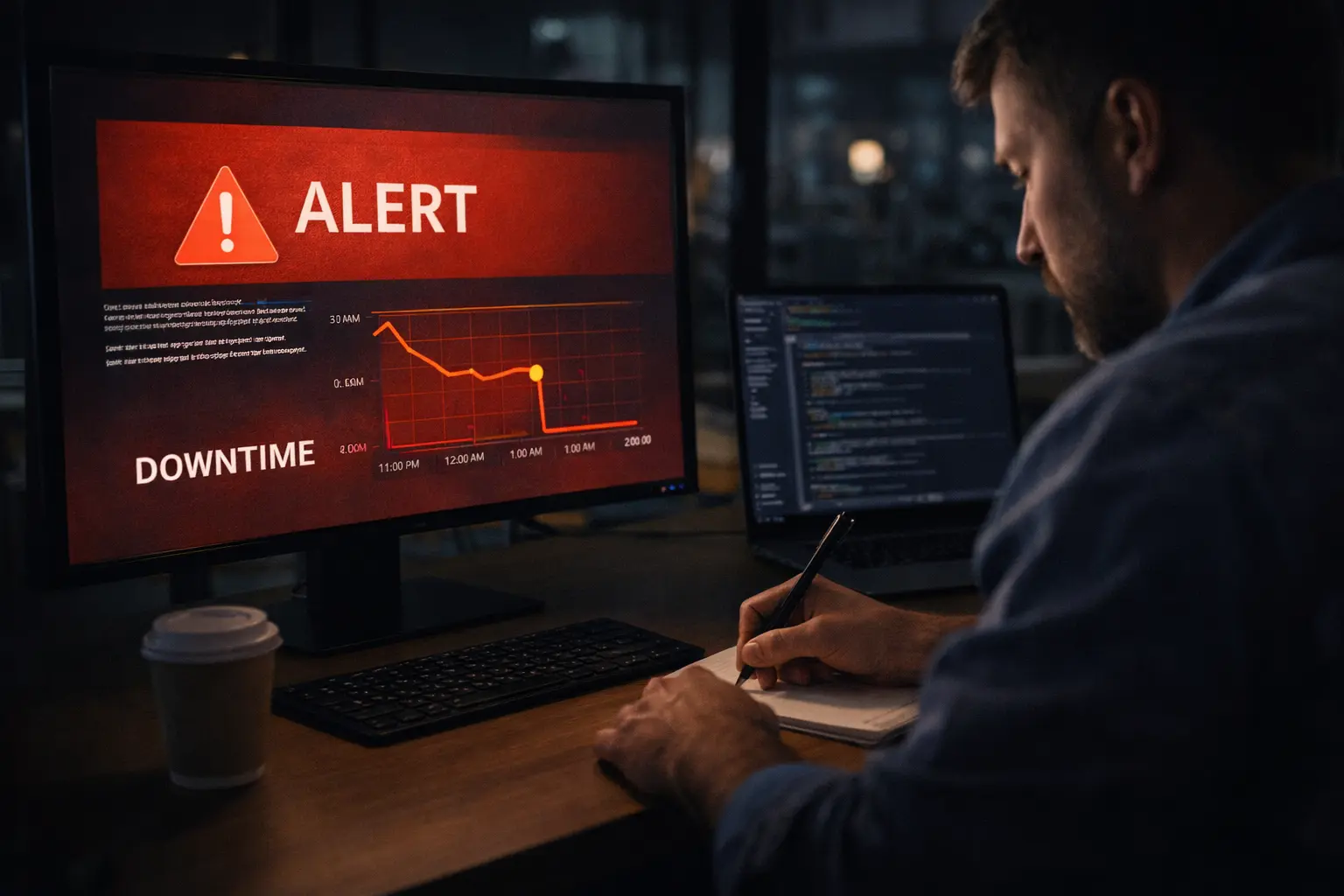
In the modern software landscape, the integration of Artificial Intelligence (AI) into the development lifecycle has acted as a double-edged sword. On one side, AI-powered IDEs and autonomous coding agents have accelerated the journey from "concept to deployment" to a degree that was unimaginable just five years ago. On the other side, this "Hyper-Velocity" comes with a significant trade-off: The Surge in Production Incidents.
When code is generated, refactored, and deployed at the speed of thought, the margin for architectural error shrinks. AI can generate thousands of lines of code that look syntactically perfect but contain hidden logic flaws, "hallucinated" library dependencies, or performance bottlenecks that only surface under production loads. When an incident inevitably occurs, the greatest enemy is not the bug itself—it is Information Fragmentation.

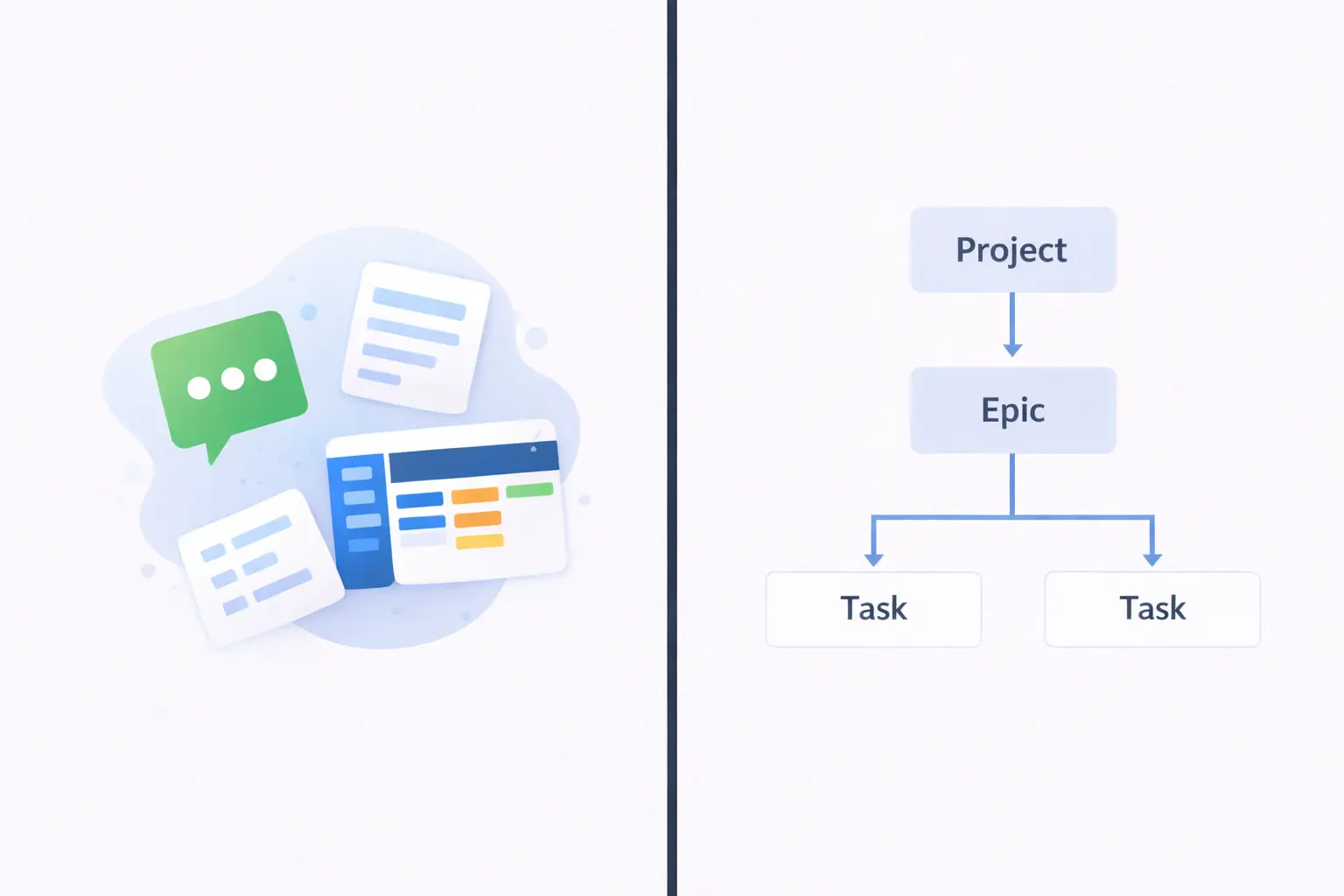
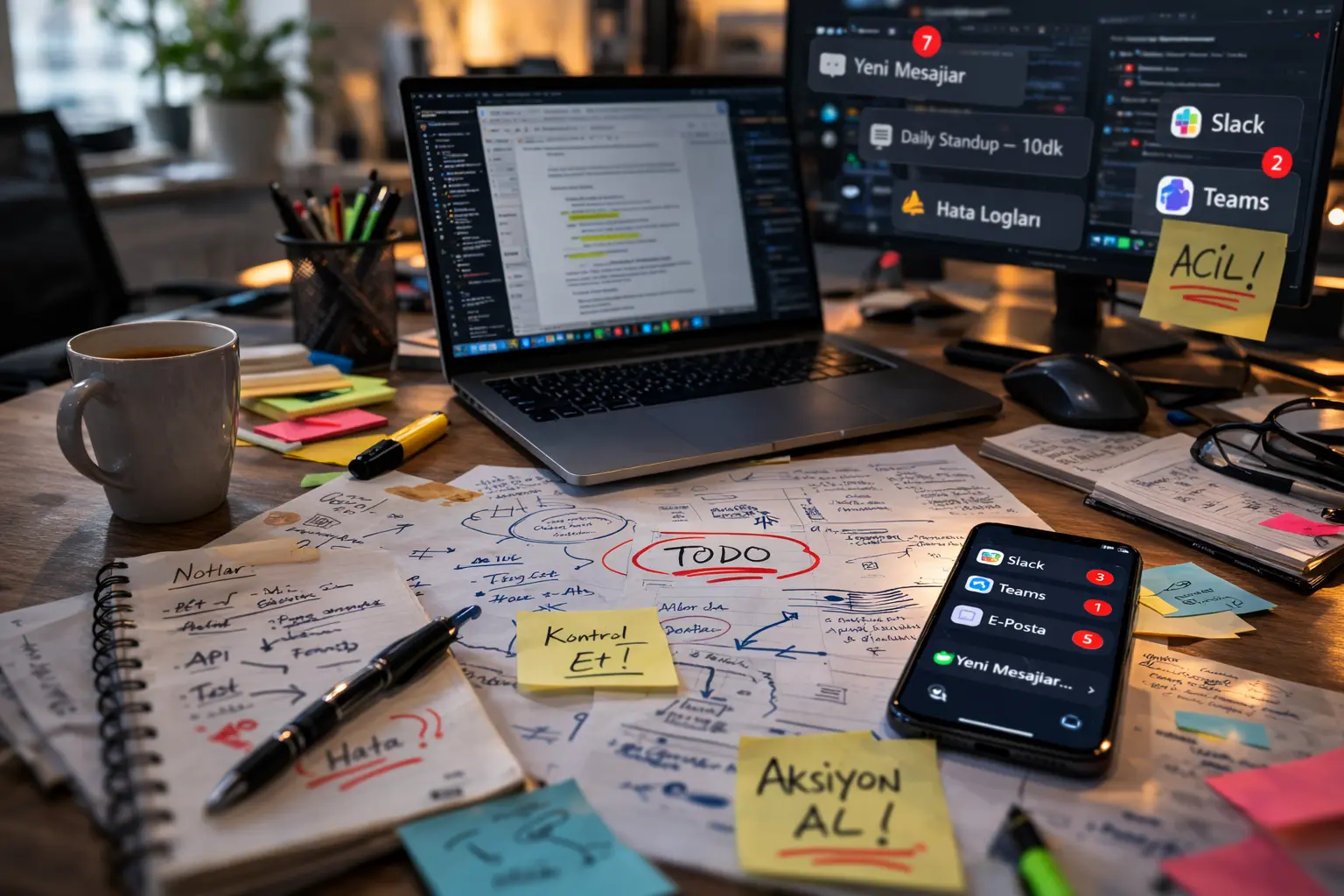
In the heat of a production outage, data often scatters across Slack channels, Zoom transcripts, and forgotten Jira tickets. To recover quickly, you need a Digital Spine. You need Alios. By consolidating the entire incident lifecycle into a single Alios Node, you transform chaos into a structured, visible, and recoverable process.
1. The Paradox of AI Speed: Why Incident Risks are Rising
AI-assisted development increases the "Production Churn"—the frequency and volume of changes pushed to live environments. This creates several high-risk vectors:
Over-Reliance on AI Logic: Developers may bypass deep manual code reviews, assuming the AI-generated logic is inherently optimized.
Context Misalignment: AI understands the snippet but often fails to grasp the system. It might suggest a database query that works in isolation but locks tables in a high-traffic production environment.
The "Black Box" Effect: When an AI refactors an entire module, the human developer may not fully understand the side effects, making it harder to troubleshoot when things break.
When the system goes down, you don't have time to scroll through 500 Slack messages to find who did what. Alios acts as your "War Room," anchoring every detail of the crisis to a single point of truth.
2. The Alios Incident Node Template
To maintain discipline during a crisis, every Incident Node in Alios should follow a standardized structure in its description. This ensures that even in the middle of a "Level 1" outage, the team knows exactly where to report progress.
Template Structure:
🚨 Incident Summary: A concise, technical description of what is happening.
📊 Impact: How many users are affected? Which specific services are down?
👤 Incident Commander (Captain): The single person responsible for coordinating the fix.
⏳ Timeline: A chronological log of detection, intervention, and resolution.
🛠 Action Items: Immediate technical steps taken to mitigate the issue.
📝 Postmortem (Root Cause Analysis): Why did it happen, and how do we prevent it forever?
3. Filled Example Scenario: "Payment Gateway Timeout"
Let’s simulate a real-world incident on Alios where a high-speed AI refactor caused a catastrophic failure in the checkout process.
Node Name: [INCIDENT-2026-042] 504 Gateway Timeouts on Checkout Page
Captain (Owner): @Tech_Lead_Sarah
Priority: 🔴 CRITICAL Status: DONE / ARCHIVED
[INCIDENT-2026-042] Incident Detail Report
🚨 Incident Summary: Users are unable to complete purchases. The /api/v1/checkout endpoint is returning 504 Gateway Timeout errors. The system is failing to communicate with the payment processor within the allowed time window.
📊 Impact:
100% of checkout attempts are failing.
Affecting both Web and Mobile platforms.
Estimated revenue loss: $25,000 per hour.
👤 Incident Commander: @Tech_Lead_Sarah
⏳ Timeline:
11:05 AM: Automated Sentry alerts triggered (High error rate on Checkout).
11:10 AM: @Tech_Lead_Sarah declared incident and opened this Alios Node.
11:15 AM: Root cause identified: A recent AI-assisted refactor of the
OrderServiceintroduced an unoptimized recursive loop in the tax calculation logic.11:30 AM: Hotfix developed and passed CI/CD.
11:45 AM: Hotfix deployed to Production.
11:50 AM: Error rates returned to 0%. Incident resolved.
🛠 Action Items:
[DONE] Temporarily scale up DB instances to handle the stuck connection backlog.
[DONE] Revert the specific
tax-calculator.jsmodule to the previous stable version.[DONE] Purge Redis cache to clear stale checkout sessions.
📝 Postmortem:
Root Cause: The AI assistant suggested a "cleaner" recursive function for multi-state tax calculations. While logically sound, the AI did not account for the high-volume database calls within the recursion, leading to connection pool exhaustion under load.
The Lesson: AI-generated recursive logic must be strictly reviewed for time complexity and I/O overhead.
Prevention Plan: We will implement a new "Complexity Audit" step for any AI-suggested refactors involving database or external API calls. No recursive logic will be pushed without a mandatory peer-review.
4. Why Alios? The Advantage Over Slack/Teams
During an incident, Slack is a "stream," but Alios is a "document."
Single Source of Truth: In Slack, the most important information is often buried five pages up. In Alios, the Incident Summary and Impact are always at the top of the Node.
Ownership Clarity: By assigning a Captain, everyone knows who is making the final calls. No more "Who is fixing this?" confusion.
Automatic Archiving: Once the incident is marked DONE, it becomes a searchable part of your project’s history. If a similar error occurs in six months, your team has a roadmap for the fix.
5. Conclusion: Managing the Speed of AI
AI has given us the power to build faster than ever, but it hasn't removed our responsibility to be stable. Incident management is the ultimate test of an organization's maturity. By using Alios to consolidate your production errors into a single, structured Node, you ensure that your team remains calm, coordinated, and capable of turning a crisis into a learning opportunity.
Don't let the speed of your development collapse your system. Anchor your crisis response to the Digital Spine.