Article
Agency Operational Excellence: Checklists & Templates with Alios
Stop reinventing the wheel. Learn how to use Alios work trees and checklists to standardize recurring tasks, eliminate human error, and scale your agency's productivity.
Standardizing Recurring Agency Tasks: Operational Excellence with Checklists and Templates
The greatest obstacle in a digital agency's growth journey is treating every project as if it were being done for the first time in history. Although agency projects are prepared for clients in different sectors, 80% of the processes in the "kitchen" actually consist of similar steps. Preparing a social media content plan, setting up a Google Ads campaign, or performing monthly website maintenance follows a specific algorithm, regardless of the client.
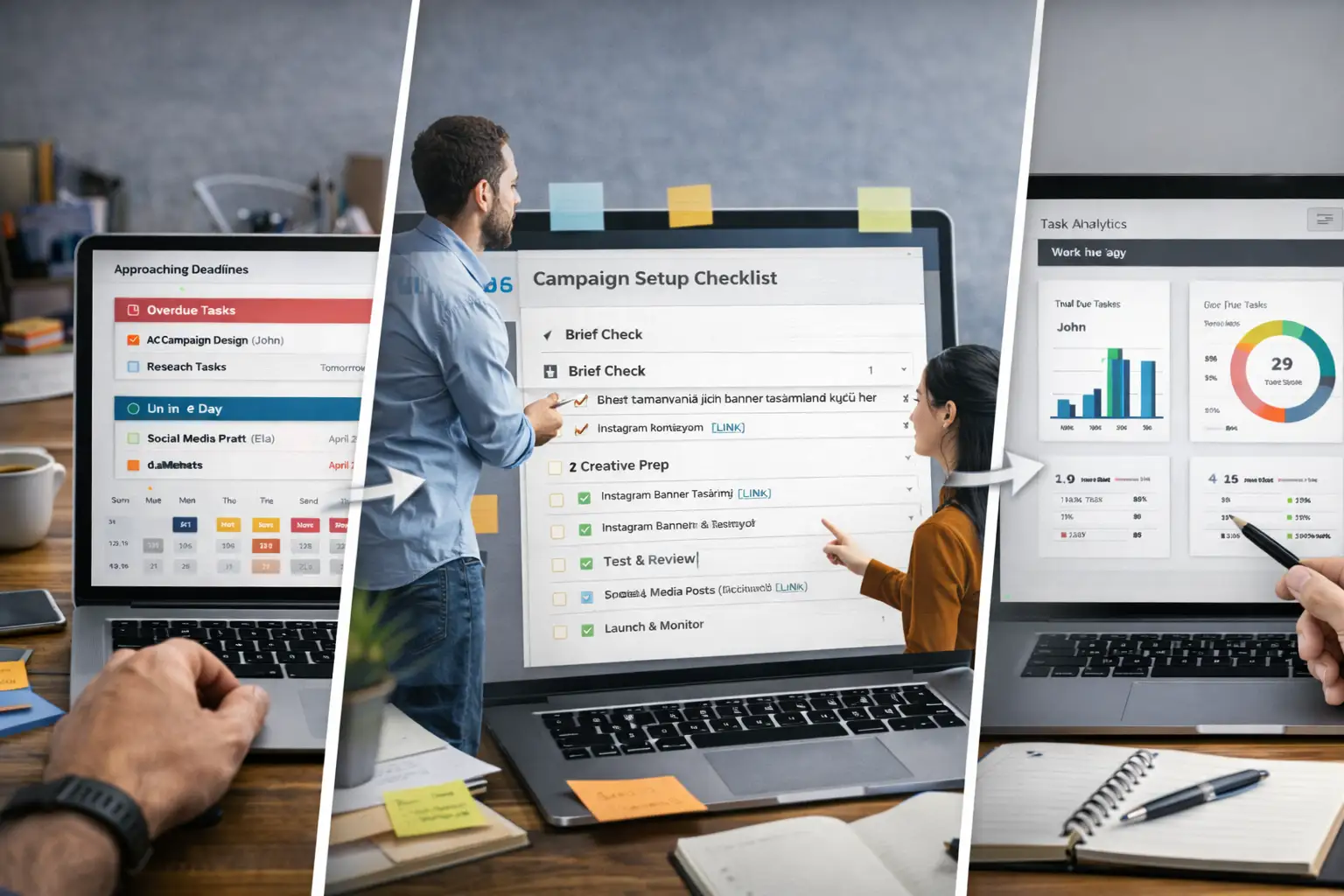
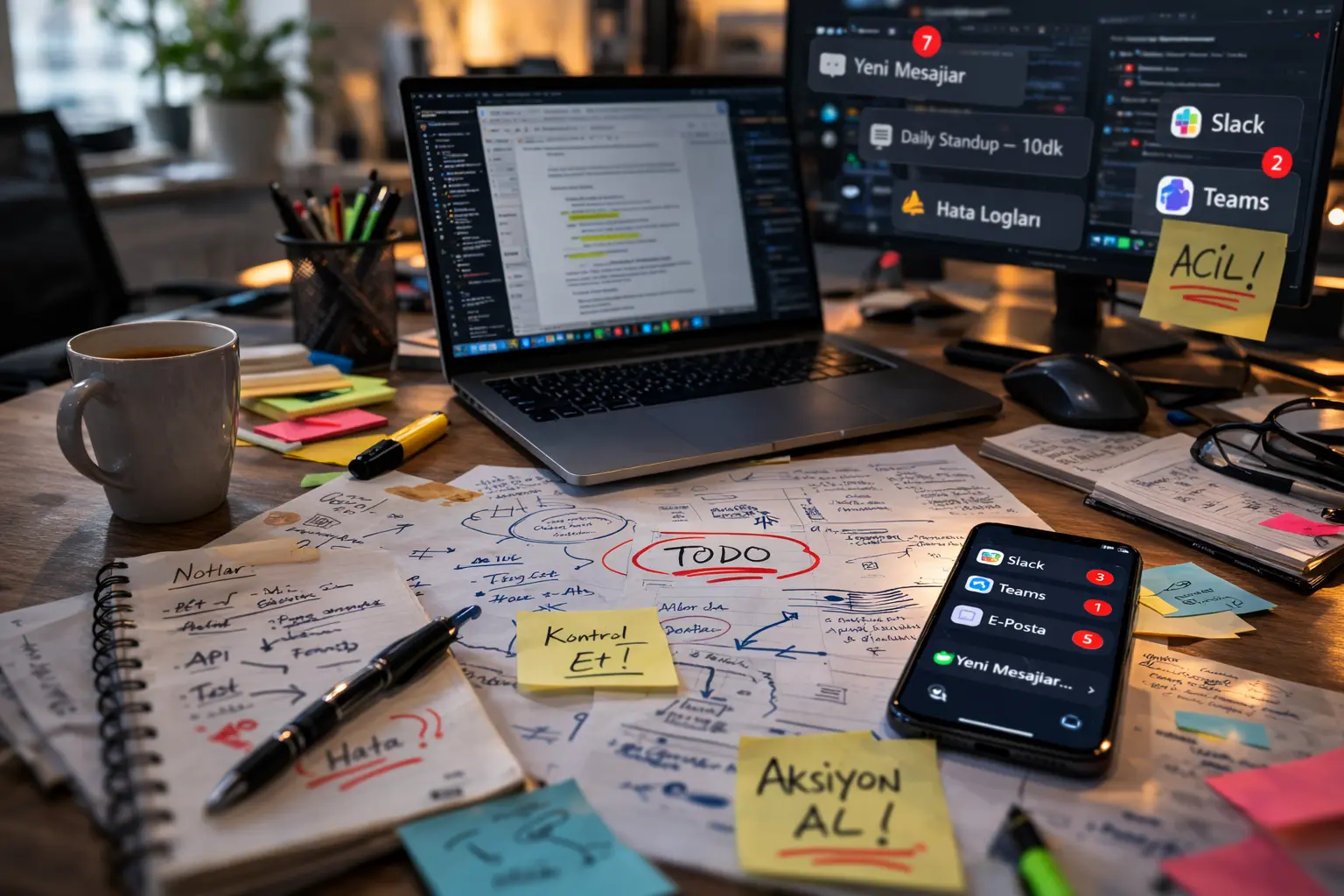
However, many agencies become trapped in a culture of "mastery" instead of standardizing these valuable processes. Tasks are left to people's memories, their mood that day, or instantaneous decisions. Every process that is not put into writing sows the seeds of a hidden chaos within the agency. As the team grows, this "memory-based management" model collapses; errors increase, quality drops, and the agency owner falls into a productivity trap where they must intervene in every single task. In this guide, we will examine how the checklist and template logic, supported by systems like Alios, will transform your agency from being dependent on individuals into a high-performance "production machine."
1. Causes of Scattered Recurring Tasks and Lack of Standardization
The failure to standardize processes is not just an organizational problem for agencies; it is a strategic risk factor. The following factors lie at the root of these risks:
A. Dependency on Individuals
When the agency's most senior employee is on leave or resigns, all the knowledge of "how that project is done" goes with them. An agency without standards is a structure that pays rent to its employees' minds. The checklist logic takes this knowledge from the individual and transfers it to the system (corporate memory).
B. Cognitive Load and "Decision Fatigue"
If an employee spends every morning thinking, "How should I start this social media plan today?", they are wasting energy on operational uncertainty that should be spent on creativity. Standard processes eliminate the "how-to" question, allowing the team to focus on "what to produce."
C. Quality Fluctuations
During busy periods, even the most experienced employees can skip critical steps. "Simple" mistakes, such as forgetting a logo on an ad visual or sharing the wrong link in a social media post, are actually the result of a missing checklist.
2. Checklist Logic and Productivity in Agency Operations
A checklist approach reduces complex, multi-step agency processes to atomic-level tasks. This is not about micro-managing the team; it is about providing them with a safety net.
Impact on Onboarding: A junior employee newly joined the agency can complete 90% of the work correctly without asking anyone, thanks to a "Social Media Content Production Checklist" handed to them. This increases the new employee's self-confidence while reducing the "teaching" burden on the manager.
Zeroing the Margin of Error: Checklists save lives in aviation and medicine; in agencies, they save profit and reputation. A 10-item list scanned before a campaign goes live (Are UTM links checked? Is the budget limit entered? Are visuals approved?) protects the agency from thousands of dollars in advertising waste.
3. Cloneable Work Trees and Template Management in Alios
Alios transforms checklist logic from a static piece of paper into a dynamic "Node Structure." Real speed for agencies comes from "not reinventing the wheel every time."
Work Tree Architecture
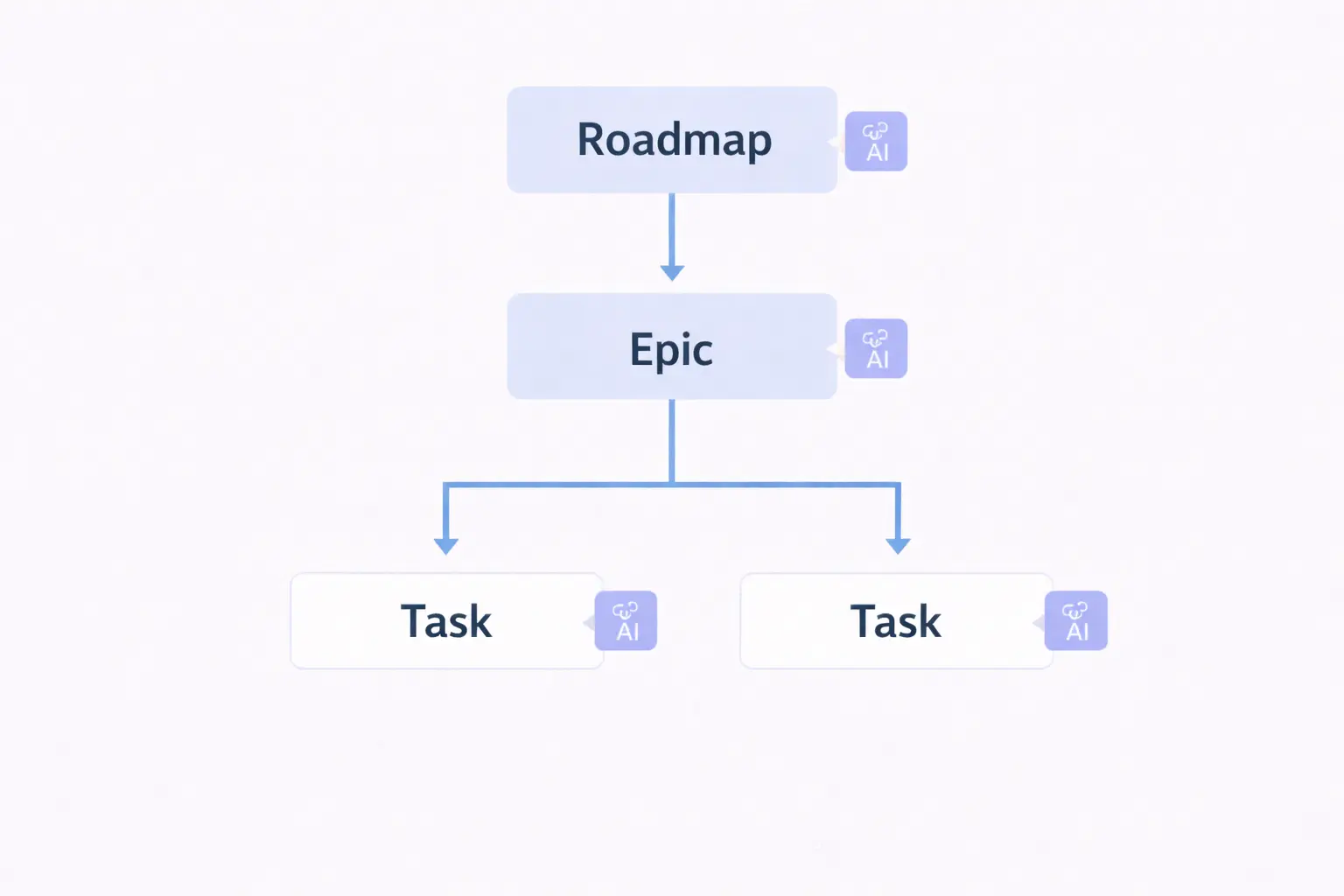
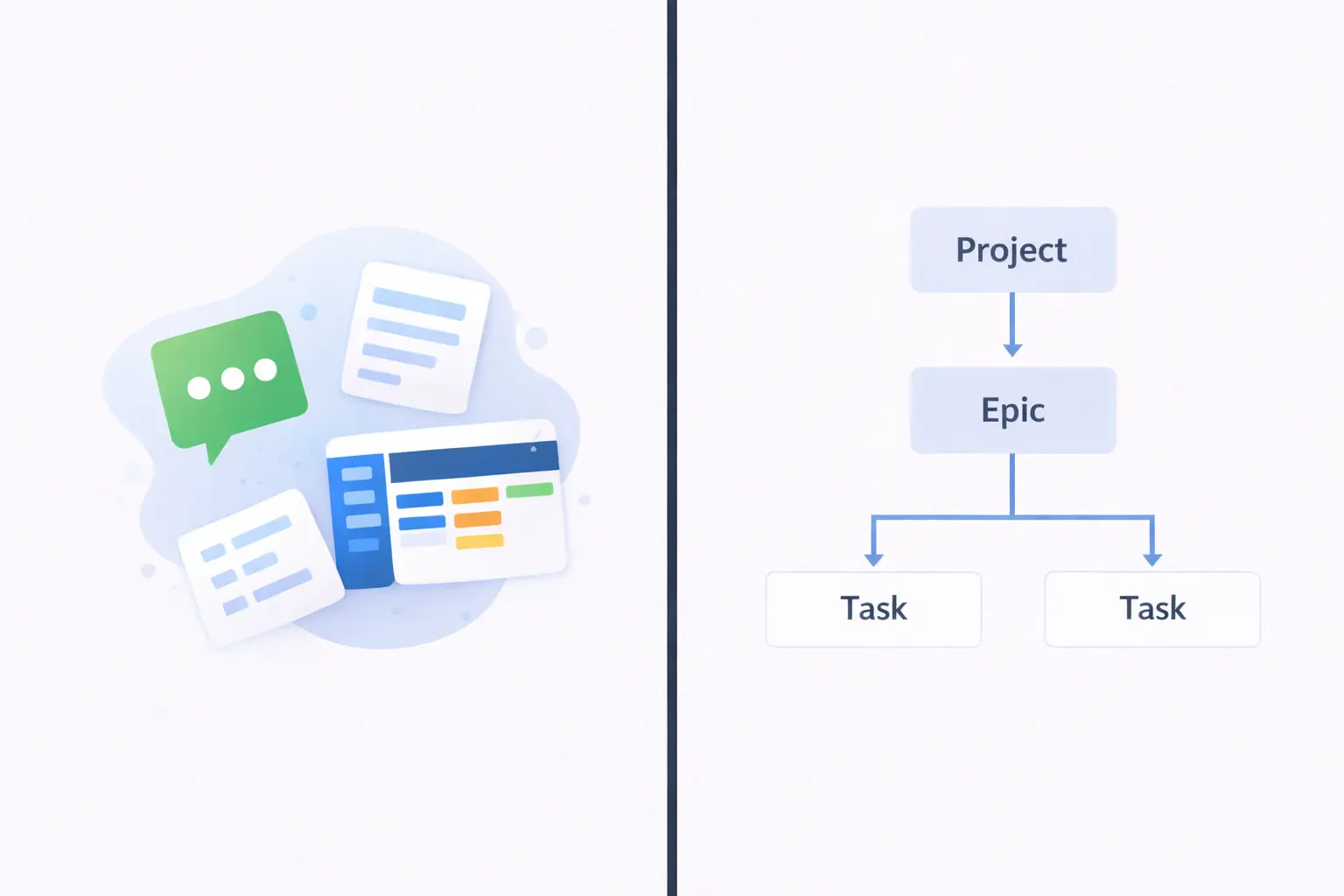
In Alios, a project is structured like a tree, starting from the brief and moving through strategy, production, approval, and reporting stages. The tasks under each stage are the checklist items for that job.
Example: Under the "Design Production" node; sub-tasks such as moodboard creation, first draft, internal approval, client approval, and final export come ready-made.
The Power of Templating
The entire structure of a successful project is saved as a "Master Template" in Alios. When a new client arrives, clicking the "New Project" button and selecting the "Social Media Template" means setting up the 80% skeleton of the project in 5 seconds. This reduces the project manager's planning time from hours to seconds.
4. Operational Advantages of Using Checklists and Templates
Templates working integrated with a standard project-based document layout add the following tangible values to the agency:
Predictability: How long a job will take is no longer a guess but a fact based on past data. This allows you to give more accurate delivery dates to the client.
Scalability: If your processes are templated, managing 50 projects instead of 5 at the same time is only about increasing the team size; the operational structure remains the same.
Consistency in Work Quality: Client A and Client B receive the same standard of service from the agency. Quality is tied to the strength of the system, not the current motivation of the employees.
Onboarding Speed: A newly hired specialist adapts to the agency's "way of working" within a few days.
5. Case Study: Social Media Campaign Setup
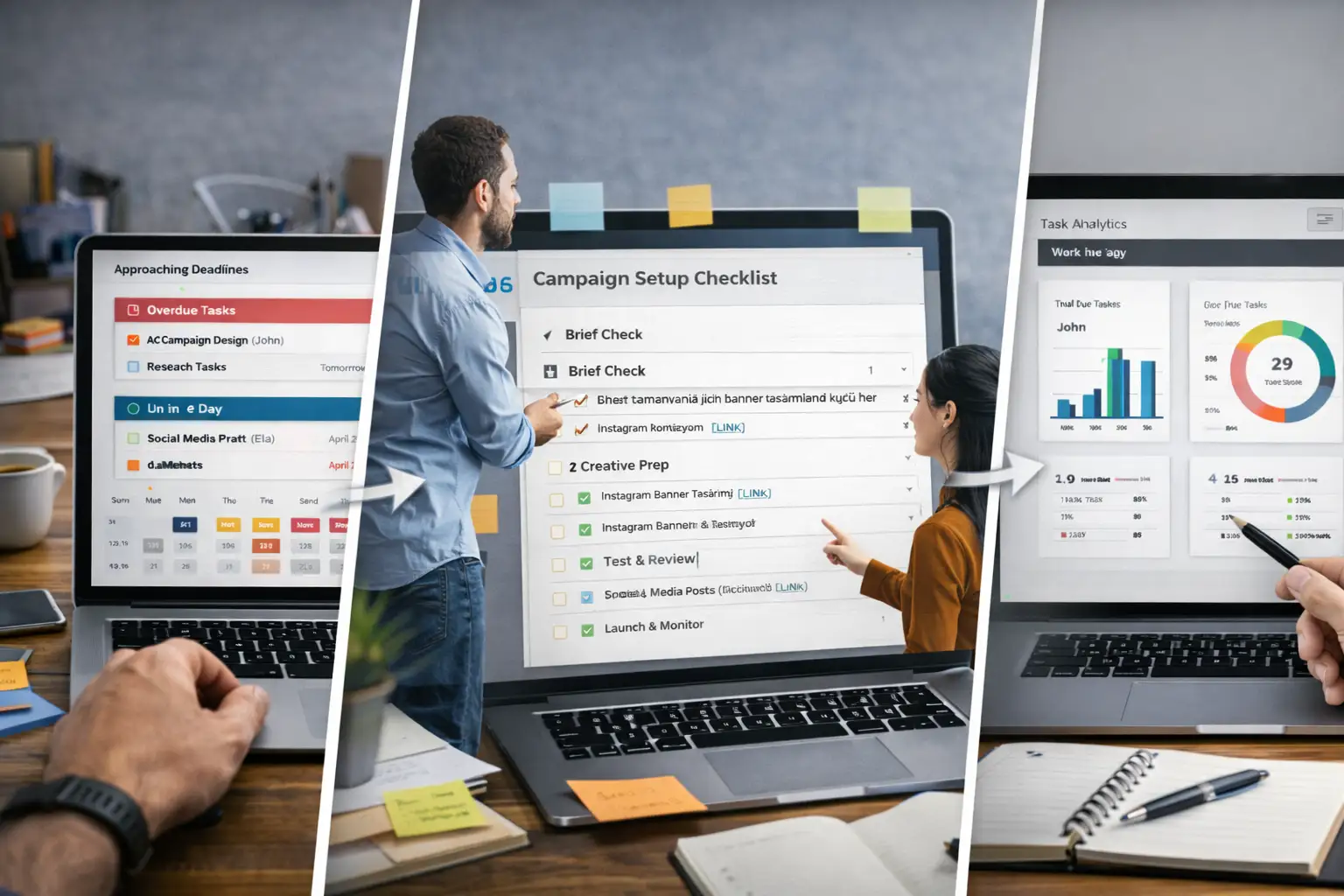
Let's see how this system works smoothly in an agency's daily life through a case study. A "Campaign Setup" template on Alios consists of these nodes:
StageChecklist HighlightsA. Briefing (Input)Is the goal clear? Is the budget approved? Is the duration set?B. Content & StrategyCompetitor analysis done? USP defined? Channel plan ready?C. Design (Output)Aspect ratios correct? Logo in safe zone? Text readable?D. Technical SetupPixel/Conversion check? UTM parameters added? Audience defined?E. ReportingFirst 24-hour data check? A/B test results noted?
6. The 5 Golden Rules of Standardization for Agencies
Copy the Old, Improve the New: After every project, ask "What did we learn?" and update your template. Templates are living documents.
Avoid Complexity: If a checklist consists of 50 items, no one will use it. Focus on 10-15 essential and critical items.
Use Visuals: Visual systems like Alios's node structure are more memorable than plain text lists.
Involve the Whole Team: Templates should be prepared by the specialists who do the work in the kitchen, not just the managers.
Supervise but Trust: Be flexible in creative moments where the template needs to be deviated from, but do not compromise on technical necessities (naming, approval process, etc.).
7. FAQ: Common Questions on Agency Standards
Q: Does standardization kill creativity?
A: On the contrary, it liberates creativity. When you automate routine tasks (file naming, approval mechanisms, brief formats), the team's mind focuses solely on generating creative ideas. Chaos is the enemy of creativity, not its friend.
Q: How often should we update templates?
A: It is ideal to revise the template every 3 months or whenever a major operational error occurs by asking, "What did we miss?".
Q: How do we set up templates for client-specific processes?
A: Have a general "Agency Master Template." If there is a client-specific situation (e.g., Client X wants a 3-stage approval), create a sub-template specific to that client and use only that.
8. Conclusion: Systematic Agency, Profitable Agency
In the agency world, "speed" is not about using a keyboard faster; it is about making fewer mistakes and having fewer hesitations. Checklist and template logic provide your agency with an "operating system." Thanks to this system, your projects escape the initiative of individuals and gain a corporate discipline.
Alios's cloneable work trees leave you a massive time legacy in every new project. Take an hour today to outline the checklist for your most frequent task (e.g., a banner revision or a reporting process) and turn it into a template in Alios. You will see how this small step multiplies your agency's profitability and team peace in the medium term. Remember; excellence is not an act, but a habit, and habits are built with templates.