Article
AEC Task Management: Role-Based Tracking via Alios Nodes
Architectural Task Tracking: Stop the "Who is doing what?" confusion. Alios uses Role-Based Tracking and Node trees to visualize workload, dependencies, and approvals.

Task Distribution in Architectural Offices: Who Does What? (Role-Based Tracking)
The success of an architectural office depends on how synchronized the team is in executing the principal architect's vision. In many offices, "task distribution" is often limited to verbal instructions, leading to chaos as deadlines approach. Phrases like "Who was drawing that sheet?" or "Did we assign the revision?" are symptoms of a lack of system.
Alios transforms role-based tracking from an unknown into a transparent data set. Here is how to optimize task distribution in a modern architectural office.

1. Defining Roles in an Architectural Office
Architecture is a multi-layered discipline. To clarify task distribution, roles must be defined within a digital system like Alios:
Concept Leads: Responsible for the "creative start," mood boards, and initial sketches.
Technical Architects: Those who solve system sections and point details. For this team, the margin for error is zero as their output directly affects the site.
Project Managers: The key figures managing the traffic between engineering disciplines (structural, mechanical, electrical) and the architectural team. They are the primary users of Alios dashboards.
Visualizers/Render Artists: They prepare the final presentation but are often dependent on the models provided by the design teams.
2. Three Critical Mistakes in Task Distribution
Inability to Estimate Capacity: Without data, you cannot know if a team member is genuinely overloaded or just struggling with a specific task.
The Fleeting Nature of Verbal Assignments: A task given in a meeting that isn't tied to a Node is destined to be forgotten.
Ignoring Dependencies: Assigning a render deadline for tomorrow when the modeling team hasn't finished the plans creates internal conflict.
3. Role-Based Tracking with Alios: Transparency and Speed
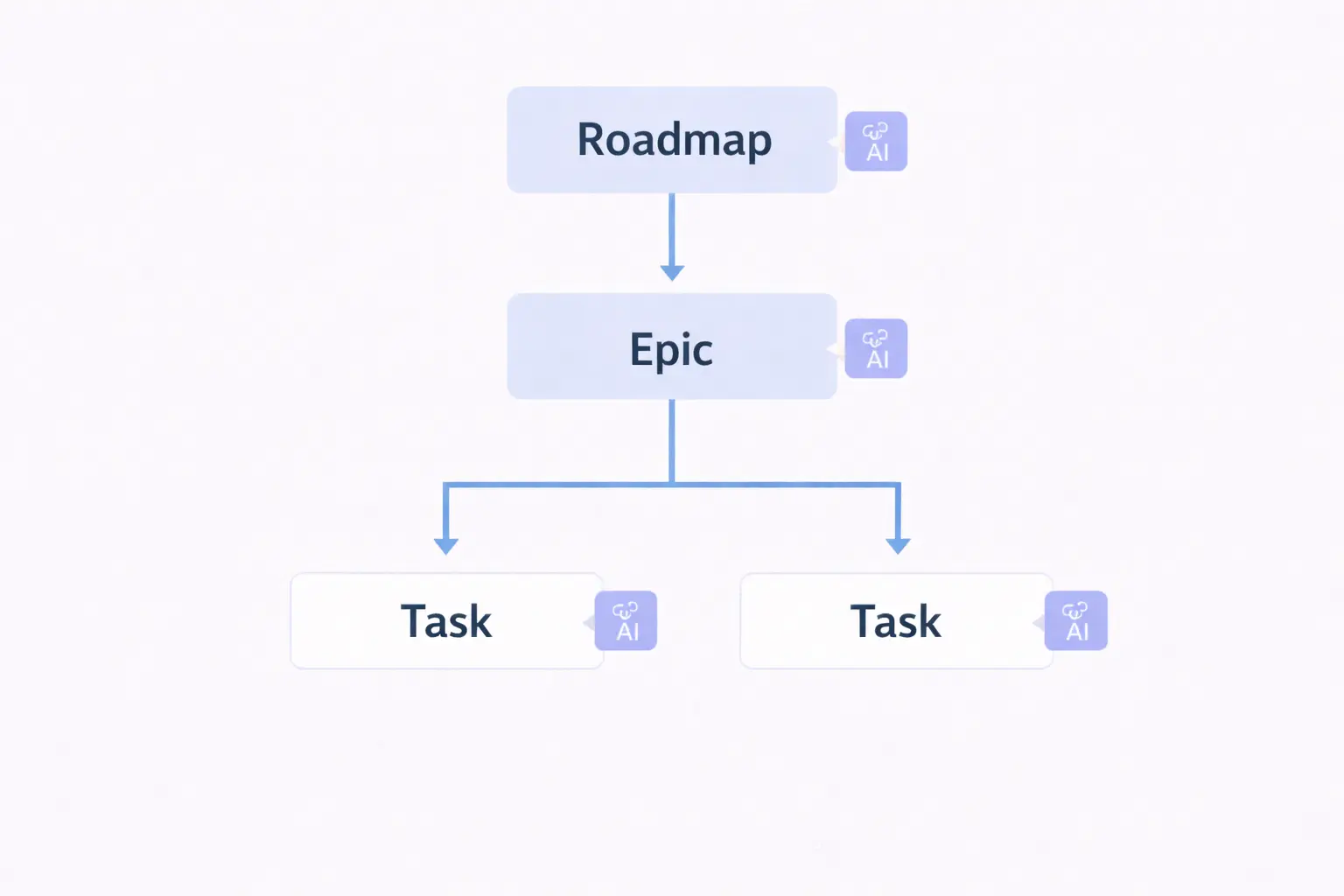
Alios turns task distribution into a dynamic Node Tree.
Every Task has an Assignee: No task is "orphaned." When a member opens their Alios panel, they see only the work assigned to them, sorted by deadline.
Workload Management: The Alios Dashboard visualizes how many nodes or hours are on each architect's plate. If someone is in the "red zone," managers can reassign tasks via drag-and-drop.
Approval Gatekeeping: When a junior architect finishes a task, the node switches to "Pending Approval" and appears on the senior architect's screen. A task isn't "Done" until it is officially vetted.
4. Strategy for Clarifying Deadlines
Stop the "it was due yesterday" culture. Use Alios for realistic planning:
Backward Planning: Place the final delivery (e.g., Permit Submission) at the end of the node tree. Alios calculates when every preceding node must be finished to hit that target.
Critical Path: Identify the nodes that could stall the entire project. Alios tells you exactly how a 1-day delay in a critical node pushes the final delivery date.
5. Profitability through Task Tracking
Managing tasks well doesn't just save time; it saves money. By knowing exactly how many man-hours a specific project type takes, you can provide more accurate and profitable quotes to future clients.
Conclusion: An Unmanaged Team is Lost Energy
Architecture is shifting toward a sector where systems, not just egos, win. Entrust your processes to Alios's intelligent nodes so your team can focus on design while the management system runs like clockwork.