Article
AEC Site-Office Sync: Ending Information Loss with Alios Nodes
Site–Office Sync: Eliminate lost info. Alios uses a Single Source strategy to link site photos and decisions to office Nodes, ensuring everyone uses the latest drawings

End Lost Information in Site–Office Communication: The Single Source Strategy with Alios
The ultimate test for any architectural or engineering project is the construction site. Meticulous design work can face site realities that change everything in seconds. However, the "silent killer" of construction is not technical error, but lost information between the site and the office. In traditional methods, site issues stay trapped in WhatsApp messages, phone calls, or dusty site logs. Alios tears down this glass wall, connecting both parties through a "Single Source of Truth."

1. The Anatomy of Lost Information: Where Does Data Vanish?
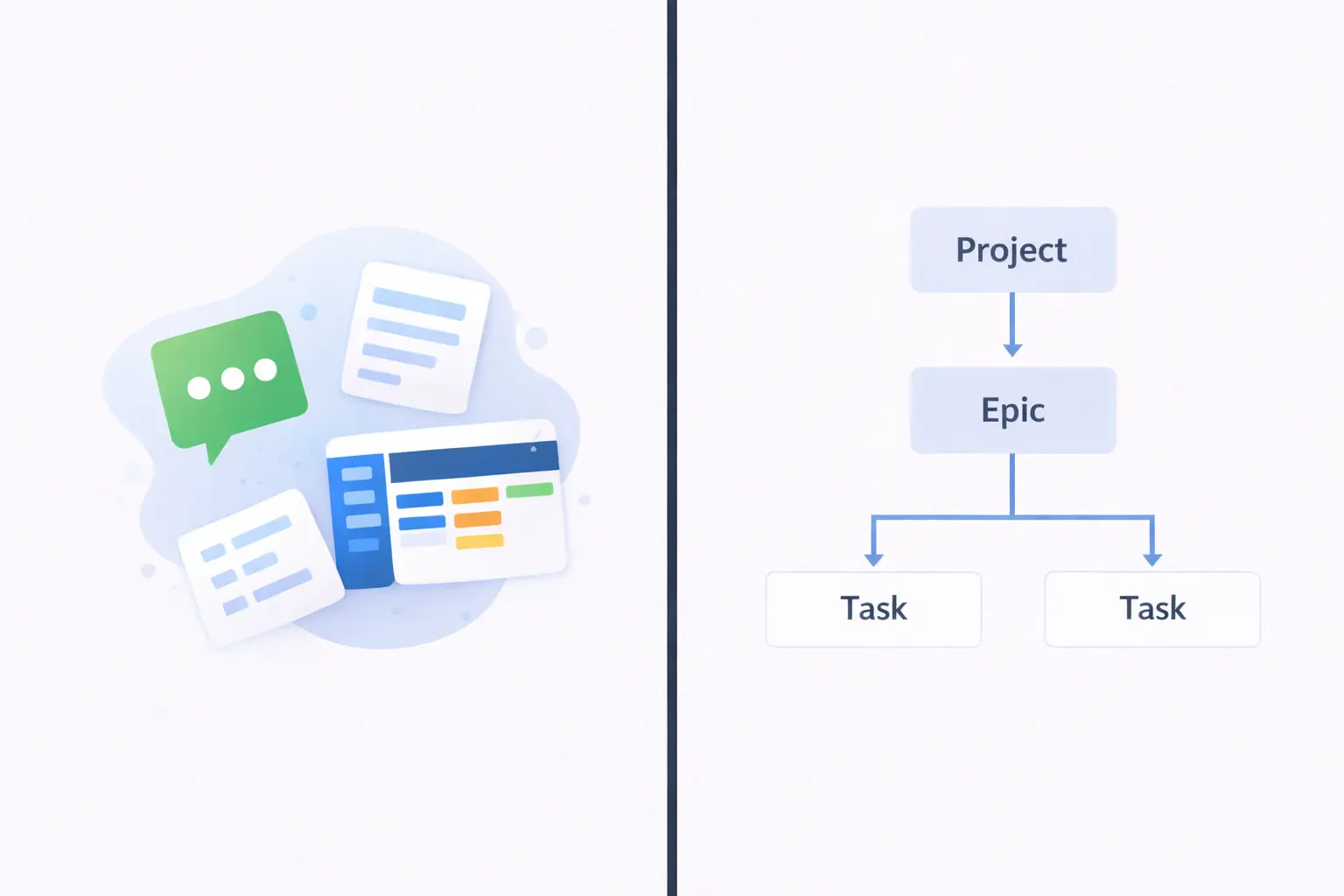
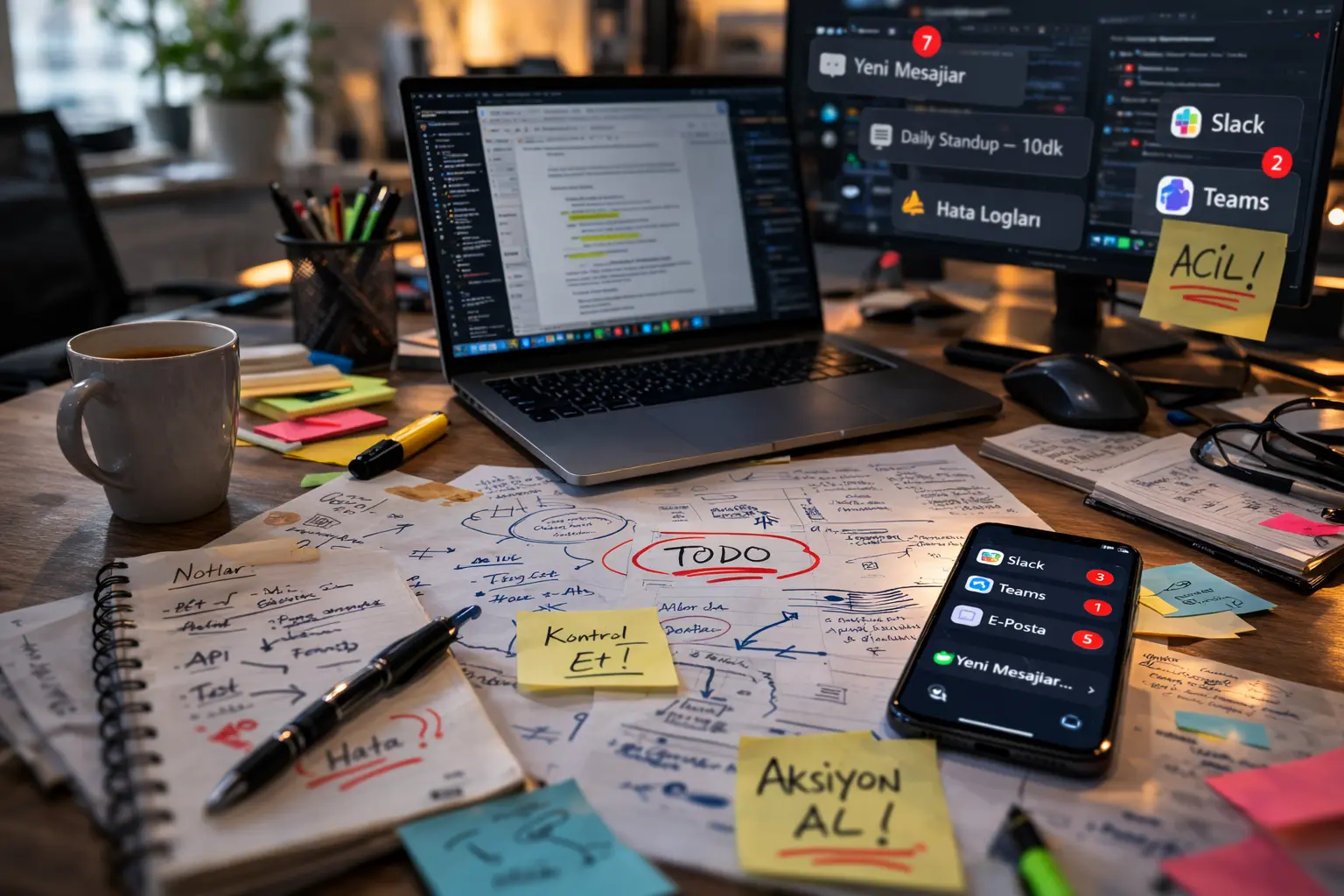
A. Messaging App Chaos: WhatsApp is great for chat but a disaster for project management. A "break this" instruction under a photo is lost within two days amidst thousands of messages.
B. Version Confusion: The office releases Revision 04, but the subcontractor is still building with Revision 02. This data asymmetry can lead to "rework" costs totaling up to 15% of construction budgets.
C. "Fleeting" Verbal Decisions: Decisions made during site walks (e.g., "Move this wall 20cm") often go unrecorded, leaving no answer to "Why was this done?" during the as-built phase.
2. The Alios "Single Source" Logic: Syncing Field and Office
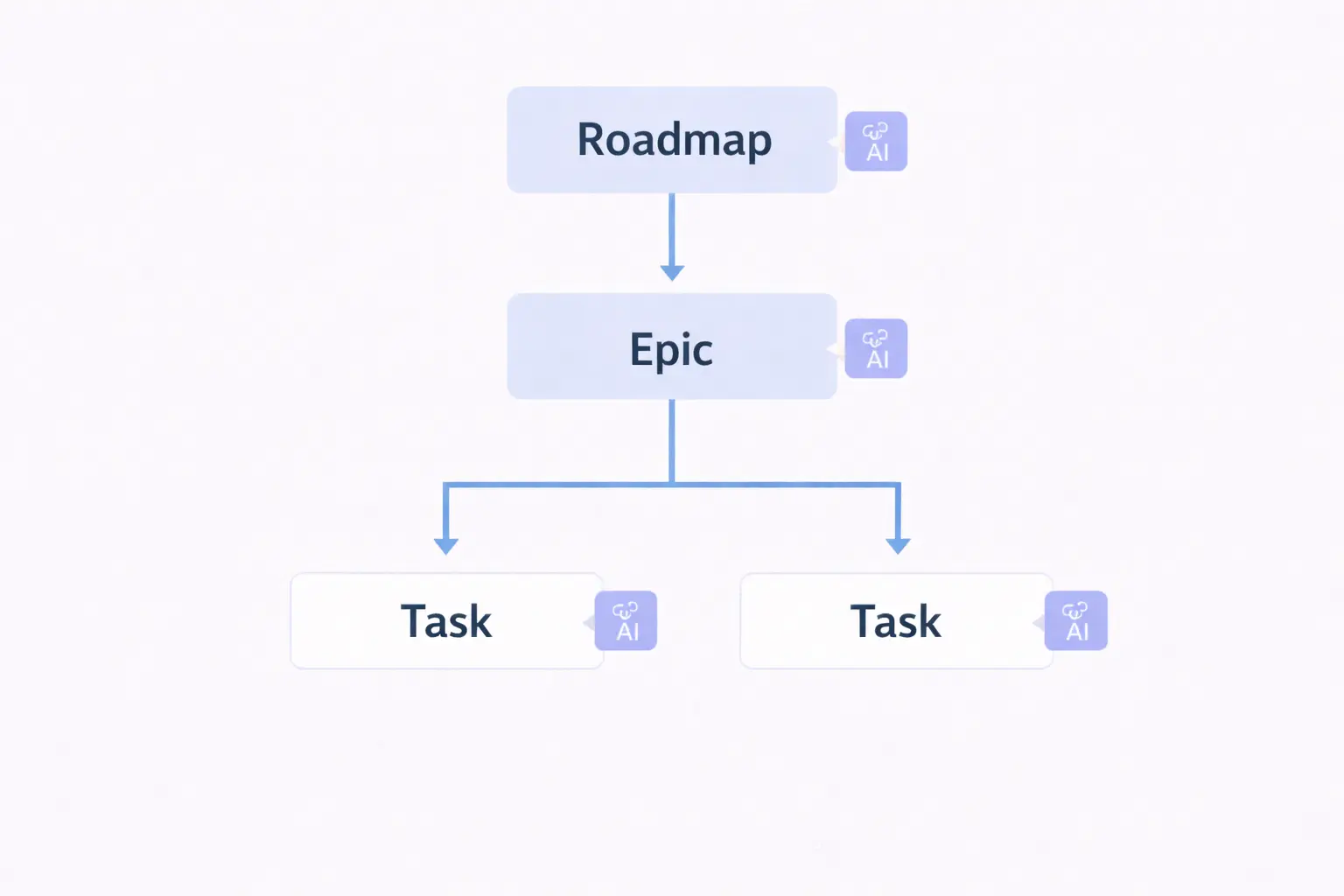
Alios places the Node Tree at the heart of the project. Every field event is a living branch of the office’s project tree.
Transforming Site Notes into Nodes: When a field engineer spots a clash, they log it directly into the relevant Node (e.g., "Level 1 Mechanical Piping").
Result: The mechanical engineer’s screen in the office instantly flags the node with a "Field Alert" status. Information flows from system to system, not person to person.
Contextual Photo Archiving: Photos are uploaded directly into the specific task node. The hierarchy automatically defines the floor, column, and approval process associated with the image.
3. Decision and Responsibility Tracking
Alios assigns an owner to every problem to prevent "responsibility drift."
Log Records: Every decision—who gave the instruction, on what date, and based on which drawing—is recorded as an immutable log. This is your strongest defense in legal or technical disputes.
Status Management: A site notification cannot be marked "resolved" until an office member is assigned and provides a solution.
Waiting for Action: Field issue awaits office solution.
In Review: Office solved it; awaiting field verification.
Done: Construction corrected and documented.
4. "Zero Error" Policy in Drawings
Alios ensures the field team always accesses the "latest truth."
Drawing Nodes: Drawings are defined as nodes. When a revision is uploaded, the old version is automatically archived. The site team only sees the file tagged "Current."
QR Code Integration: QR codes on site boards link to Alios nodes. A foreman scans the code to see the most recent detail instantly.
5. As-Built Processes and Corporate Memory
Usually, preparing "as-built" drawings takes months of digging through old messages. With Alios, the as-built is ready when the project ends, as every change was logged into the relevant node in real-time. The office maintains a "digital twin" of the entire project journey.
Conclusion: The Site is No Longer Remote
Communication gaps are hidden costs that erode profit margins. Alios eliminates the concept of "lost information" by uniting office and site through a common data language.