Article
AEC Revision Tracking: Managing RFIs & RFCs via Alios Nodes
Engineering Revision Tracking: Stop the version chaos. Alios uses RFI/RFC logic and Node dependencies to manage drawing changes, approvals, and interdisciplinary sync.

How to Track Revisions in Engineering Projects? (The RFI/RFC Logic)
Engineering projects are living organisms; it is nearly impossible for the first drawing to be executed on-site without changes. As designs progress and site conditions evolve, revisions become inevitable. However, a revision is not just moving a line; it is managing the reason, timing, cost, and approval of that change.
While many firms try to manage revisions through file naming (v1, v2_final), successful firms utilize RFI (Request for Information) and RFC (Request for Change) protocols. Alios transforms these complex processes into a transparent system where every revision has a digital footprint.

1. The Two Pillars of Revision Management: RFI and RFC
RFI (Request for Information): Used when uncertainty arises.
Scenario: A site engineer notices a structural detail clashes with mechanical piping. They send an RFI to the office: "How should we resolve this?"
RFC (Request for Change): A formal request to modify an approved design.
Scenario: The client changes a room's function. This requires an RFC to sync architectural, electrical, and mechanical sets.
2. The 5 Major Dangers of Traditional Tracking
Outdated Drawings: The site uses Rev 02 while the office has finished Rev 05, leading to costly rework.
Loss of Justification: The reason for a change gets lost in an old phone call.
Liability Confusion: If the requester and approver aren't clear, the engineer often bears the cost of errors.
Skipped Dependencies: If the structural engineer isn't notified of an architectural change, clashes occur.
Time Waste: Searching for the "latest" file reduces office productivity by up to 30%.
3. Revision Tracking with Alios: The Node-Based Approach
Alios treats revisions as a Workflow, not just file management.
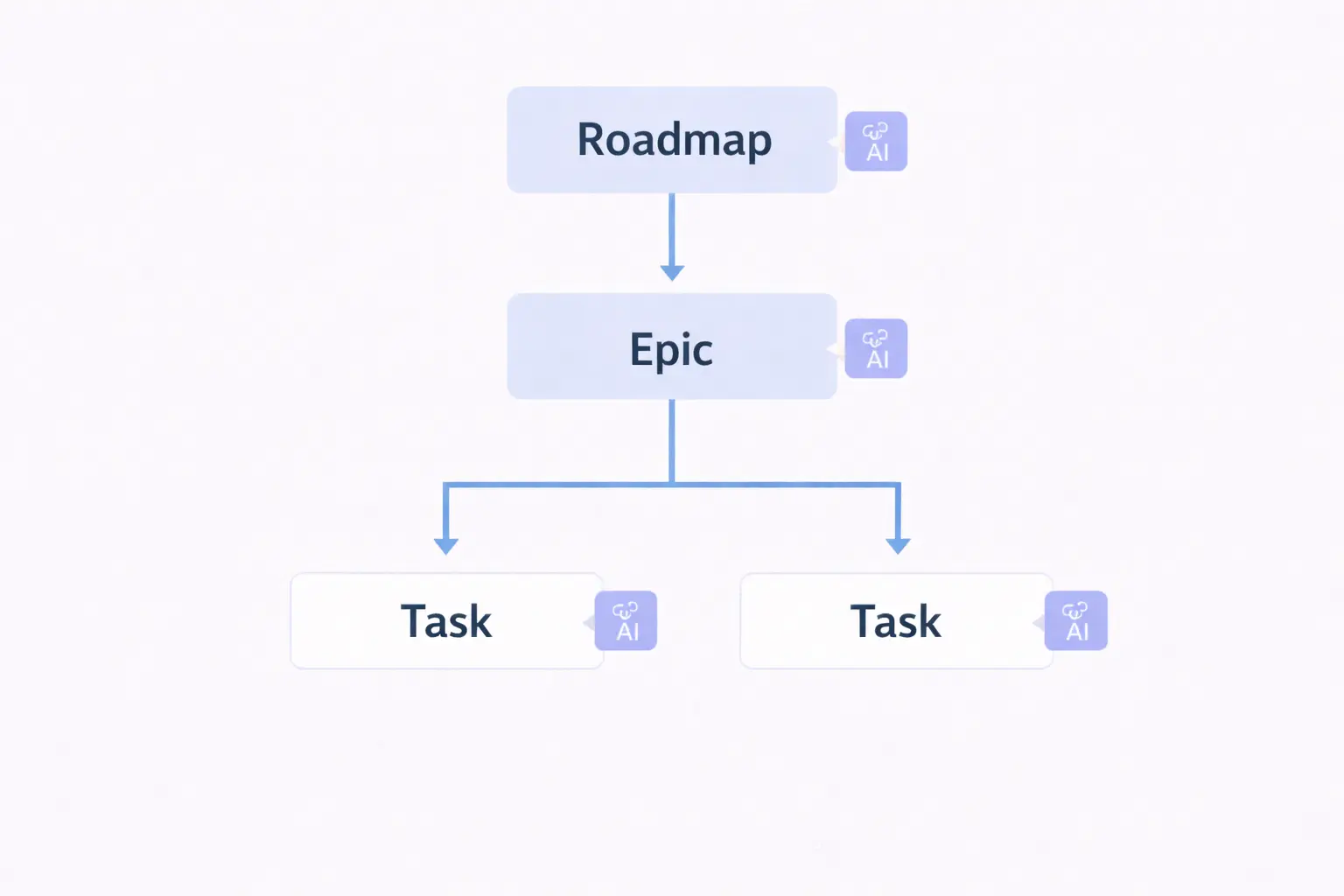
Every Revision is a Node: A change request (RFC) is opened as a sub-node to the main task. The system automatically records Who, When, and Why.
Version Control & Archiving: When a new file is uploaded to a node, Alios automatically archives the old one. Users always see the "current" file tagged as Rev 05, eliminating "Final_v2" labels.
Approval Gatekeeping: Completed revision nodes move to "Pending Management Approval." A drawing cannot be tagged as "Official/For Construction" without this formal sign-off.
4. Interdisciplinary Coordination: Chain Revisions
Alios’s Dependency feature manages the ripple effect of changes:
Triggers: Moving a column in the architectural node automatically sends a "Needs Review" alert to structural and mechanical nodes.
Visibility: Engineers see exactly how a change impacts their specific tasks and which nodes are "At Risk."
Critical Path: The dashboard shows instantly how a revision pushes the final project Deadline.
5. Data-Driven Revision Analytics
Alios allows you to analyze your revision traffic:
Intensity: Which discipline has the most revisions? (Indicates training needs or subcontractor quality).
Response Speed: How many days does the office take to answer an RFI?
Cost Impact: Provides concrete data on client-led revisions for extra fee/claim requests.
Conclusion: Take Control of the Chaos
Revisions are inevitable, but they don't have to be chaotic. Alios provides crystal-clear visibility into who made a change, when, and for what reason. Move away from scattered emails and personal memories into a data-driven management style.