Article
AEC Management: 7 Fatal Mistakes & Alios Solutions
Architectural Management: Avoid the 7 deadly sins. Alios uses Node-based tracking to fix scattered communication, scope creep, and lost project memory.

The Top 7 Mistakes in Architectural Project Management (and How to Prevent Them)
Architecture is a profession where creativity and technical discipline meet at the highest level. However, success is measured not just by the beauty of the design, but by the quality of management during its realization. Many firms lose profit margins and miss deadlines due to operational errors.
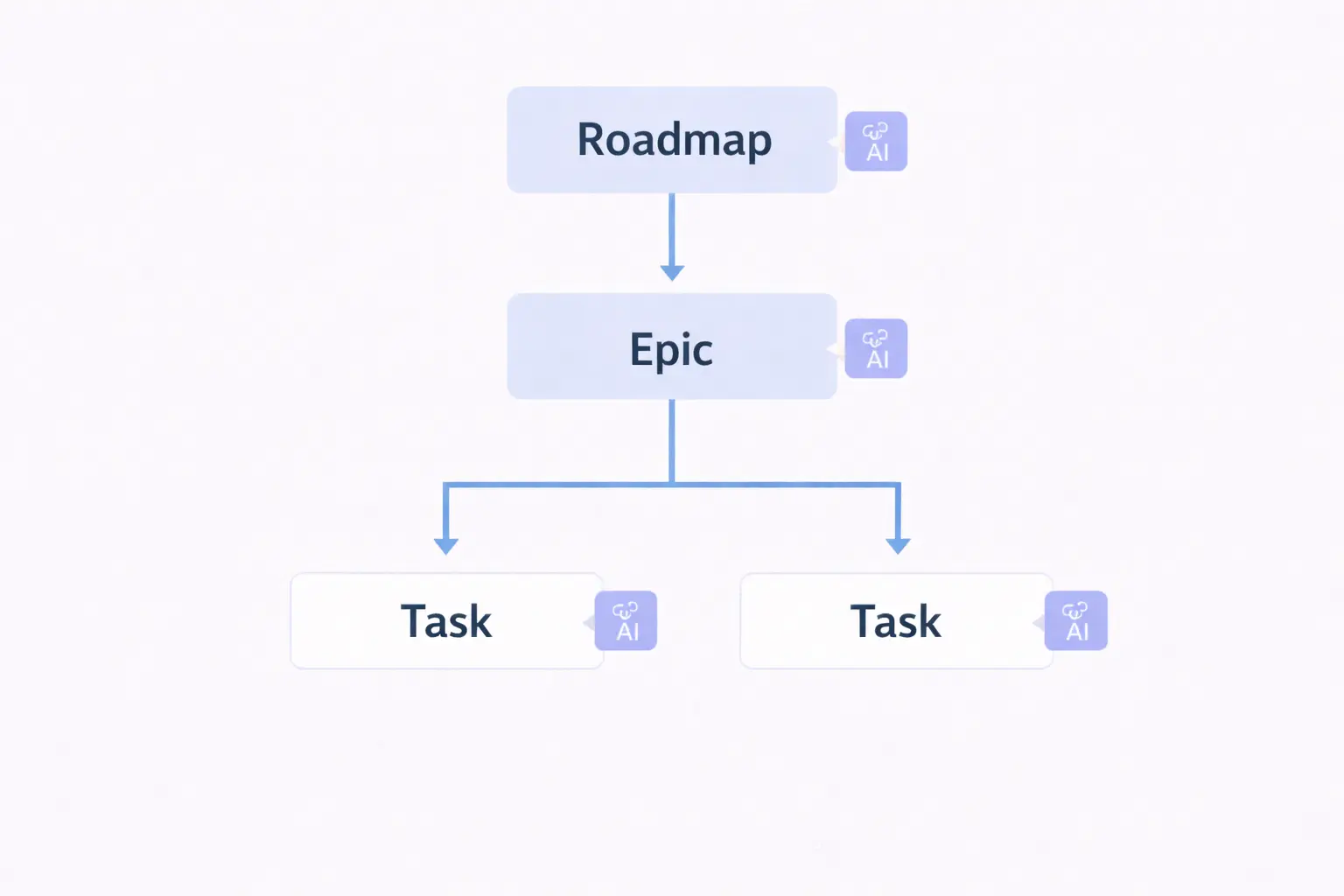
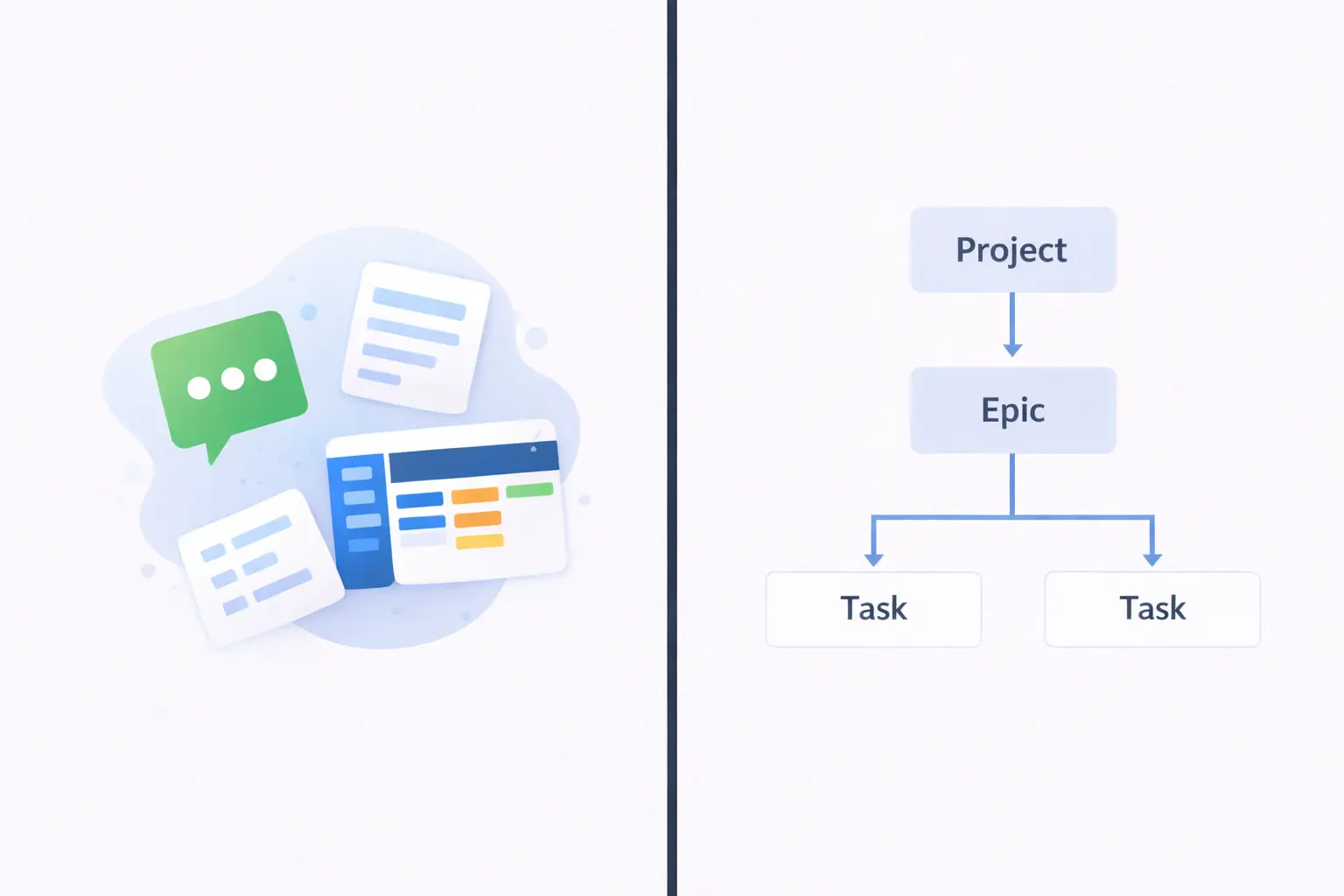
Managing projects with traditional methods like WhatsApp or scattered Excel sheets is like building a skyscraper without a foundation. Alios steps in here, moving the process out of individuals' memories and into a living "Node Tree" system. Here are the 7 critical mistakes and how to prevent them with Alios.

1. Scattered and Unstandardized Communication
Decisions are often made in coffee breaks, phone calls, or fragmented email chains.
The Risk: Drawing the wrong detail and wasting days of labor.
Alios Solution: Make communication "topic-based." Every decision or technical detail has its own Node. All discussions and approvals stay inside that node, eliminating the need to search through inboxes.
2. Vague Responsibility: "Who is doing it?"
Tasks are often told to "the team" but not assigned to a "person."
The Risk: Critical deliverables are forgotten, leading to last-minute panic.
Alios Solution: Every node has an Assignee and a Status. Managers can see exactly who is holding up which task at a single glance. Responsibility becomes a visual data point.
3. Isolated and Offline File Management
The "Final_v2_really_final.pdf" naming convention is a major pain point.
The Risk: Costly site errors caused by using outdated drawings.
Alios Solution: Integrate files with the workflow. In Alios, each node hosts its own current document. The file isn't just stored; it is a living part of the process.
4. Ignoring Dependencies and the Critical Path
In architecture, no task is independent. Structural data is needed for architectural details, which are needed for bills of quantities.
The Risk: A delay by one stakeholder pushing the entire project back by months.
Alios Solution: Create Node Dependencies. If one task is delayed, Alios automatically calculates exactly how many days the final deadline has shifted.
5. Failing to Manage Scope Creep
Clients often add "small favors" that eventually exceed the contract scope.
The Risk: Never-ending projects with zero profitability.
Alios Solution: Define every new request as an "Extra Work Node." Marking these with a different color makes the added effort transparent for billing and reporting.
6. Slow Feedback and Approval Loops
Waiting for a client or senior architect to approve work is the biggest time-waster.
The Risk: The project rots in "waiting mode" while the team remains idle.
Alios Solution: Use the "Pending Approvals" Dashboard. By highlighting only the tasks requiring approval, you multiply the project's production velocity.
7. Project Memory Tied to Individuals
When an architect leaves, they often take the project's history with them.
The Risk: Loss of information and repeating the same mistakes.
Alios Solution: Build Corporate Memory. Every note, revision, and document is archived within the nodes. A new team member can master the project's "DNA" in hours by reviewing the node tree.
Conclusion: Operational Excellence in Architecture
Alios transforms scattered communication into a centralized structure and vague responsibilities into clear tasks. Start managing the complexity of architecture with the simplicity of the node tree.